exportar
“exportar” means “to export” in Spanish. It has 2 different meanings depending on context:


to exportAlso: to send out
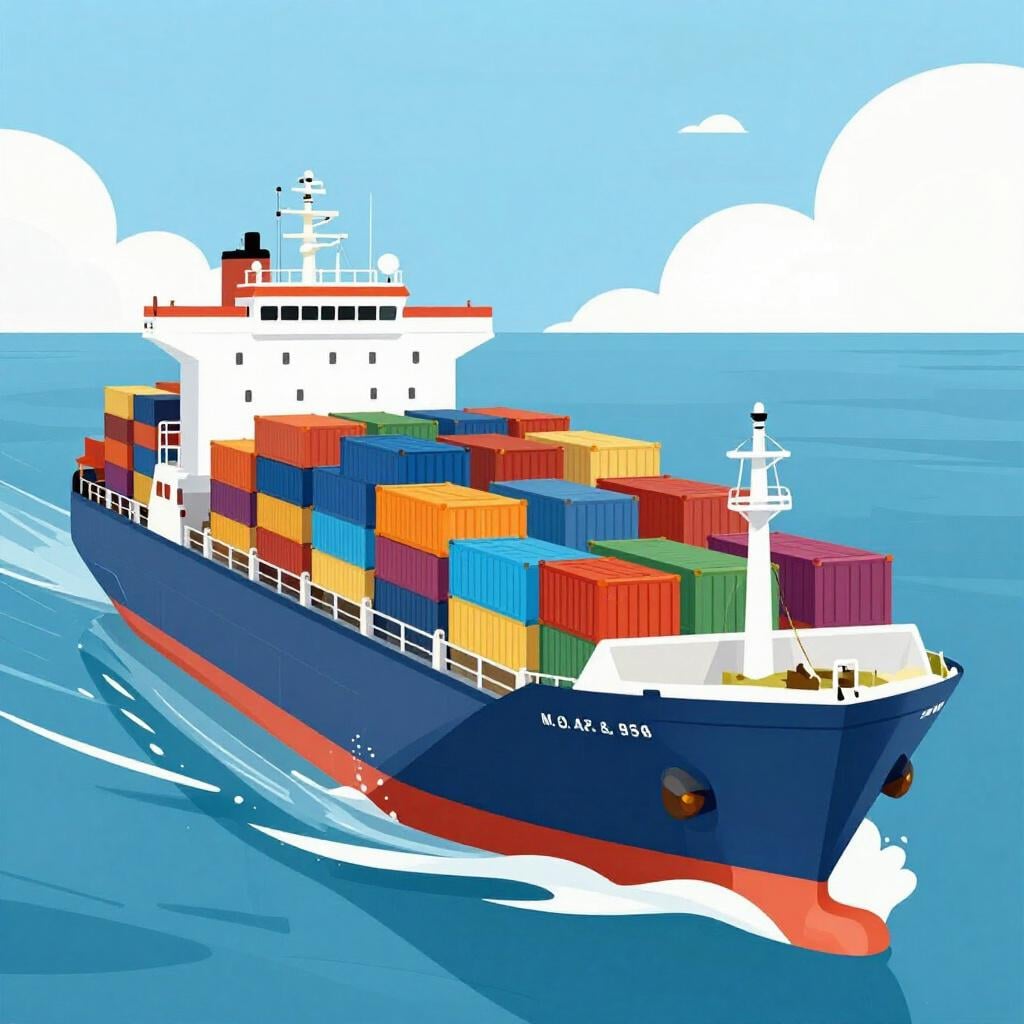
📝 In Action
México exporta muchos aguacates a los Estados Unidos.
A2Mexico exports many avocados to the United States.
Queremos exportar nuestros productos a Europa el próximo año.
B1We want to export our products to Europe next year.
Ese país exporta más de lo que importa.
B1That country exports more than it imports.
Word Connections
to export

📝 In Action
Haz clic aquí para exportar el archivo como PDF.
A2Click here to export the file as a PDF.
Puedes exportar tus contactos a una hoja de cálculo.
B1You can export your contacts to a spreadsheet.
He exportado todas las fotos a mi disco duro.
B1I have exported all the photos to my hard drive.
Word Connections
Subjunctive
Imperfect Subjunctive
Present Subjunctive
Indicative
Preterite
Imperfect
Present
Translate to Spanish
Words that translate to "exportar" in Spanish:
✏️ Quick Practice
Quick Quiz: exportar
Question 1 of 3
Which word is the opposite of 'exportar'?
📚 More Resources
👥 Word Family
🎵 Rhymes
📚 Etymology
From the Latin word 'exportare'. This comes from 'ex-' (meaning out) and 'portare' (meaning to carry). It literally means 'to carry out'.
First recorded: 17th century (modern economic sense)
Cognates (Related words)
💡 Master Spanish
Take your Spanish to the next level. Read 200+ illustrated and narrated Spanish stories tailored to your level with the Inklingo app!
Frequently Asked Questions
Is 'exportar' an irregular verb?
No, it is a completely regular -ar verb. It follows the same conjugation rules as 'hablar' or 'caminar'.
Can 'exportar' be used for people?
Usually, no. 'Exportar' is used for goods, services, or data. If you are talking about people moving to another country, you would use 'emigrar'.
Does 'exportar' always need an object?
Usually yes. You typically export 'something' (like products or files). However, you can say 'Ese país se dedica a exportar' (That country focuses on exporting) in a general sense.