frutas
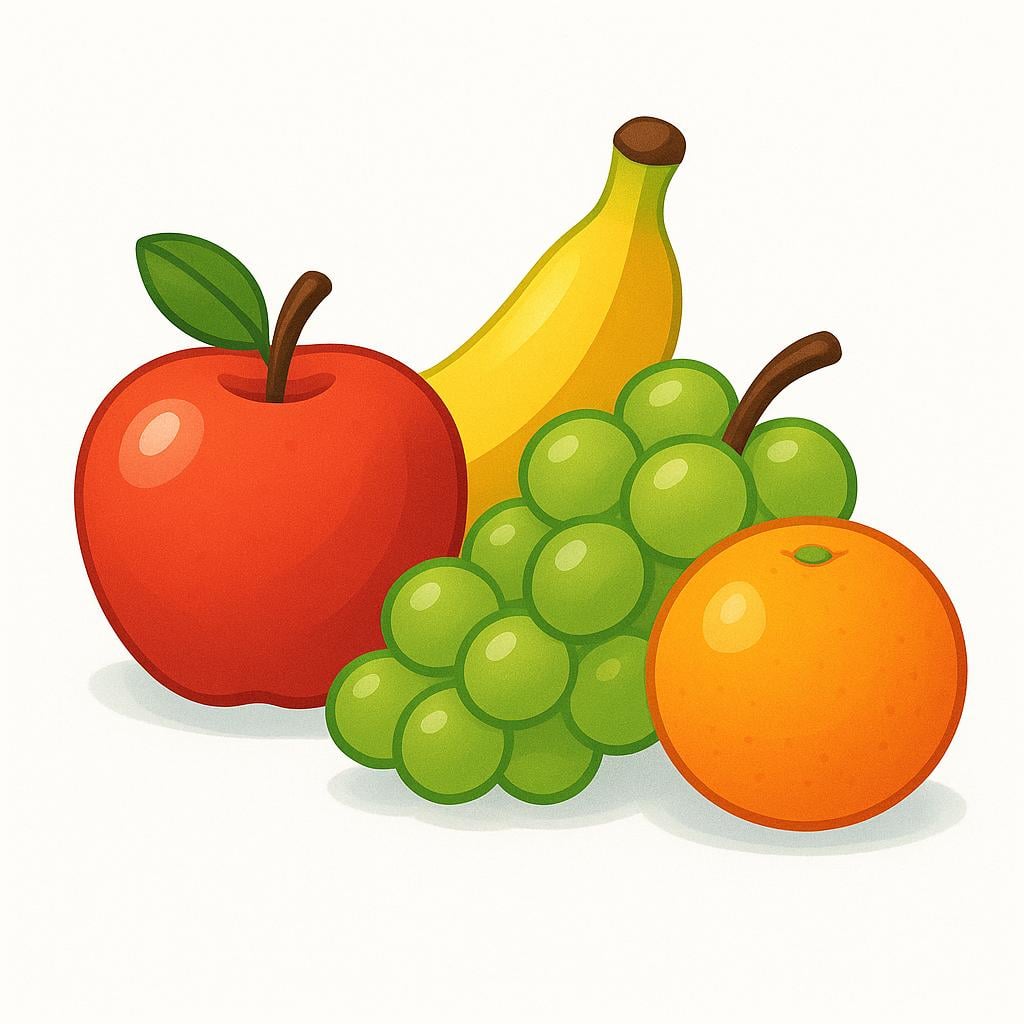
“frutas” means “fruits” in Spanish (edible produce).
fruits
📝 In Action
Necesito comprar más frutas para hacer la ensalada.
A1I need to buy more fruits to make the salad.
Las frutas de verano son mis favoritas, especialmente las fresas.
A2Summer fruits are my favorite, especially strawberries.
El médico me dijo que debo comer cinco porciones de frutas y verduras al día.
B1The doctor told me I should eat five servings of fruits and vegetables a day.
✏️ Quick Practice
Quick Quiz: frutas
Question 1 of 1
Which sentence correctly uses the Spanish word for 'fruits' when referring to a general food category?
📚 More Resources
👥 Word Family▼
🎵 Rhymes▼
📚 Etymology▼
The word comes from the Latin term *fructus*, which meant 'use, enjoyment, proceeds, or fruit.' This shows how the concept of fruit was historically tied to the idea of benefit or reward from nature.
First recorded: Medieval Latin period
Cognates (Related words)
💡 Master Spanish
Take your Spanish to the next level. Read 200+ illustrated and narrated Spanish stories tailored to your level with the Inklingo app!
Frequently Asked Questions
Why is 'frutas' feminine when many food words are masculine (like 'el pan' or 'el queso')?
Most Spanish nouns that end in the letter -a are feminine, and 'fruta' follows this very common pattern. You will almost always use feminine articles ('la', 'las') and feminine adjectives with it.