fósil
“fósil” means “fossil” in Spanish. It has 2 different meanings depending on context:
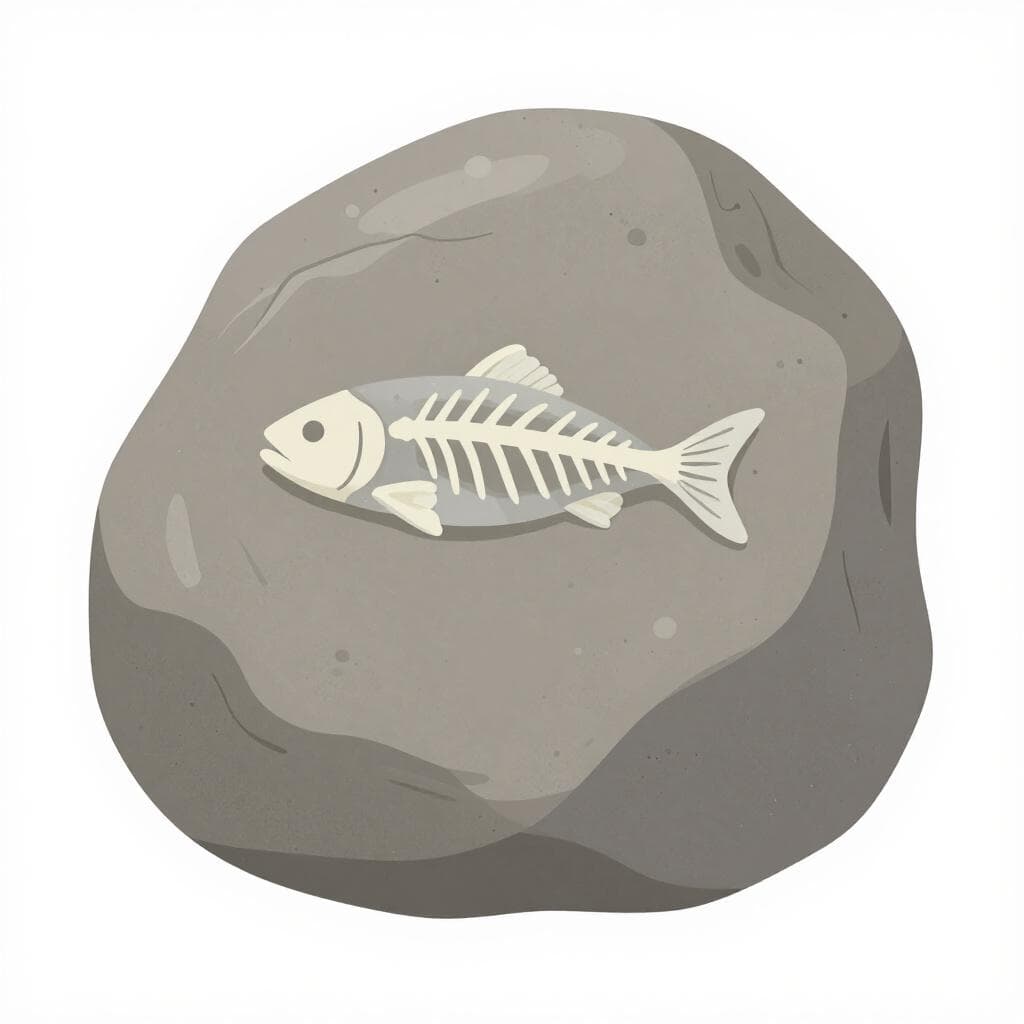

fossil
Also: relic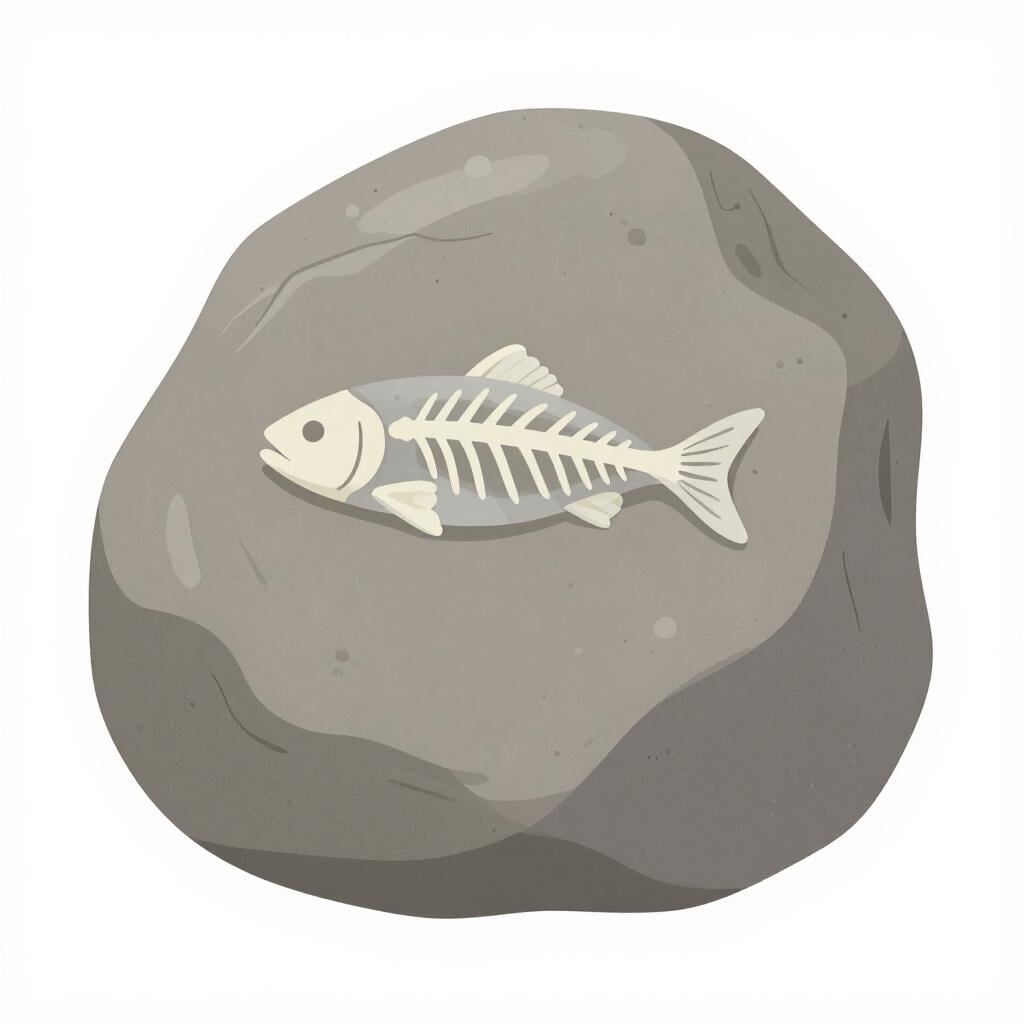
📝 In Action
El museo tiene un fósil de dinosaurio impresionante.
A2The museum has an impressive dinosaur fossil.
Encontraron un fósil de una planta antigua en la mina.
B1They found a fossil of an ancient plant in the mine.
Los científicos usan el carbono para saber la edad del fósil.
B2Scientists use carbon to find out the age of the fossil.
old-fashioned
Also: fossilized
📝 In Action
Mi jefe es un fósil; todavía quiere que usemos fax.
B1My boss is a fossil; he still wants us to use a fax machine.
Esa ley es un pensamiento fósil de hace cincuenta años.
C1That law is a fossilized thought from fifty years ago.
Translate to Spanish
✏️ Quick Practice
Quick Quiz: fósil
Question 1 of 3
What is the correct plural form of 'fósil'?
📚 More Resources
👥 Word Family▼
🎵 Rhymes▼
📚 Etymology▼
From the Latin word 'fossilis', which literally means 'something dug up from the earth'. It comes from 'fodere', the Latin verb meaning 'to dig'.
First recorded: 18th century (in its modern scientific sense)
Cognates (Related words)
💡 Master Spanish
Take your Spanish to the next level. Read 200+ illustrated and narrated Spanish stories tailored to your level with the Inklingo app!
Frequently Asked Questions
Does 'fósil' change if I'm talking about a woman?
No, as an adjective, 'fósil' is the same for both masculine and feminine subjects. For example: 'Ella es un fósil' or 'Él es un fósil'.
Why does 'fósil' have an accent mark?
Because the stress is on the first syllable (FO-sil), but the word ends in 'L'. In Spanish, words ending in 'L' are usually stressed on the last syllable, so we need the mark to show this is an exception.
Can I use 'fósil' for things other than dinosaurs?
Yes! You can use it for ancient plants, shells, or even figuratively for old laws, old computers, or outdated traditions.