ginebra
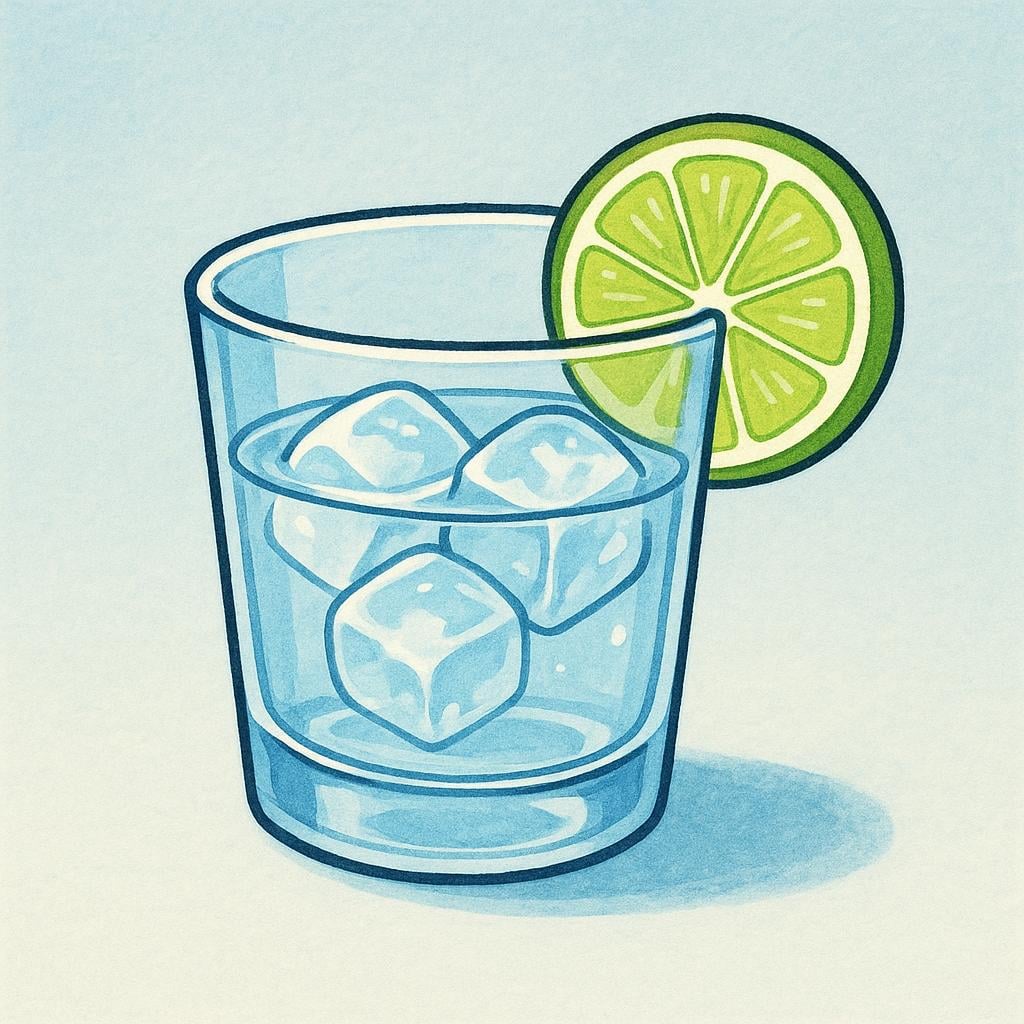
“ginebra” means “gin” in Spanish (alcoholic spirit).
gin
📝 In Action
Pedimos una copa de ginebra con tónica y limón.
A2We ordered a glass of gin with tonic and lemon.
La ginebra de esa marca es muy seca y aromática.
B1That brand's gin is very dry and aromatic.
En Holanda se inventó la ginebra hace muchos siglos.
B2Gin was invented in Holland many centuries ago.
Translate to Spanish
Words that translate to "ginebra" in Spanish:
gin→✏️ Quick Practice
Quick Quiz: ginebra
Question 1 of 2
If you are ordering a drink, how do you correctly ask for 'the gin'?
📚 More Resources
👥 Word Family▼
🎵 Rhymes▼
📚 Etymology▼
The word comes from the Dutch word *jenever*, which means 'juniper.' This is because juniper berries are the main flavoring ingredient in the spirit. The English word 'gin' is a shortened version of the same Dutch root.
First recorded: Likely entered Spanish from Dutch or French sources in the 17th or 18th century.
Cognates (Related words)
💡 Master Spanish
Take your Spanish to the next level. Read 200+ illustrated and narrated Spanish stories tailored to your level with the Inklingo app!
Frequently Asked Questions
Is 'ginebra' the same word as the city 'Geneva'?
Yes, 'Ginebra' is also the Spanish name for the city of Geneva in Switzerland. However, in common conversation, unless the context is clearly geographical, it almost always refers to the alcoholic beverage.
How is 'ginebra' pronounced in Spain versus Latin America?
In Spain, the 'g' is pronounced like a strong, throaty 'h' sound (like the Spanish 'j'). In many parts of Latin America, the pronunciation is softer, but the 'j' sound remains the standard way to pronounce the 'g' before 'i' or 'e'.