gitano
“gitano” means “Roma person” in Spanish. It has 2 different meanings depending on context:
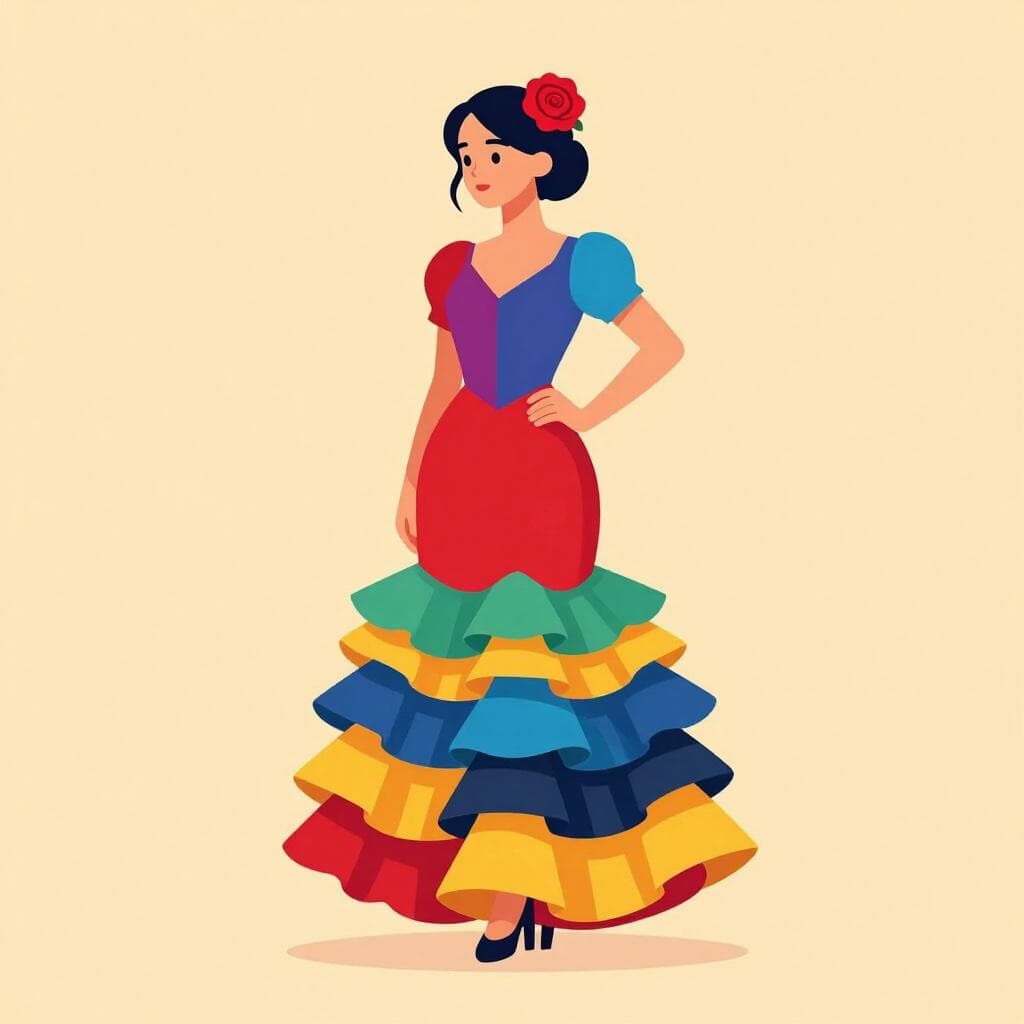
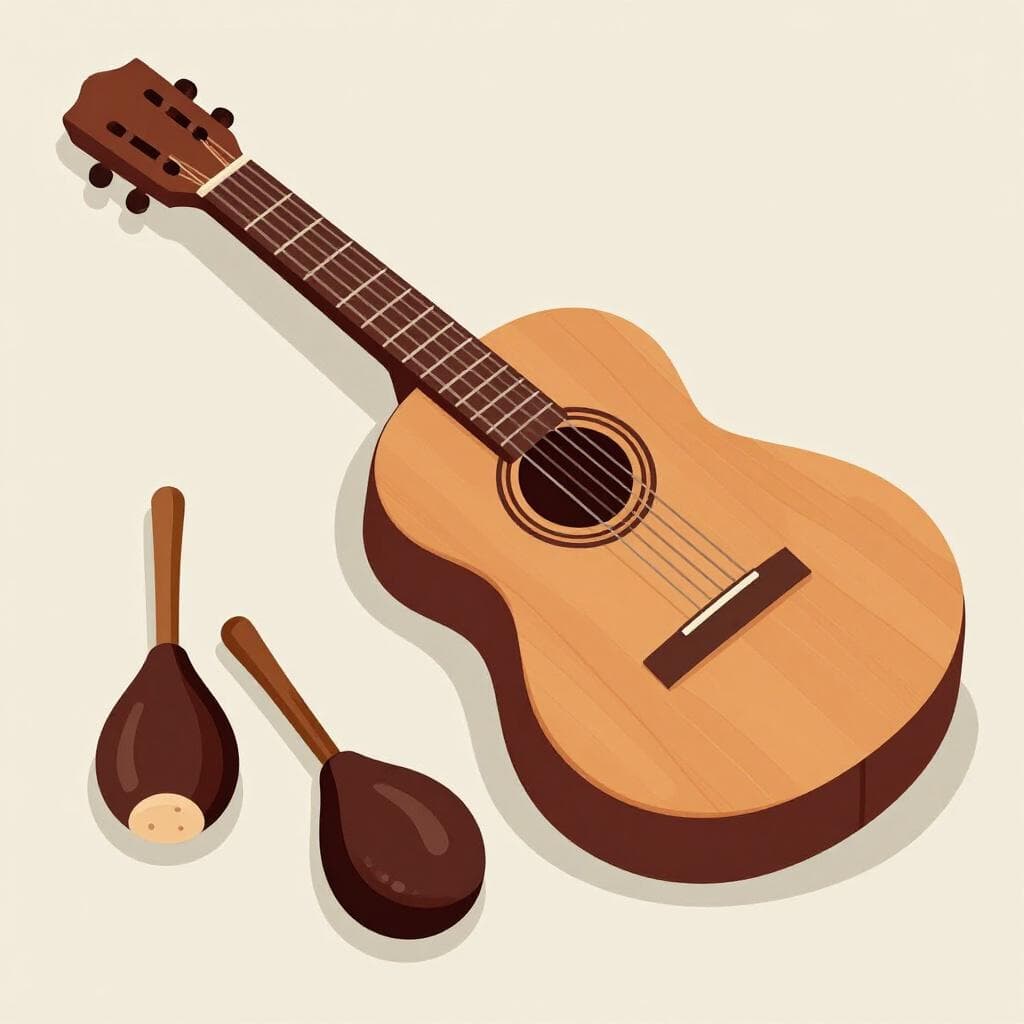
Roma personAlso: Gypsy
📝 In Action
Mi mejor amigo es gitano y toca la guitarra de maravilla.
A1My best friend is Roma and plays the guitar wonderfully.
Los gitanos han aportado mucho a la cultura española.
B1The Roma people have contributed a lot to Spanish culture.
El pueblo gitano tiene una historia de resiliencia admirable.
B2The Roma people have a history of admirable resilience.
Word Connections
Roma-styleAlso: Gypsy
📝 In Action
Me encanta el arte gitano.
A2I love Roma art.
Lleva un vestido de estilo gitano para la fiesta.
B1She is wearing a Roma-style dress for the party.
El cante gitano es el corazón del flamenco puro.
B2Roma singing is the heart of pure flamenco.
Word Connections
Translate to Spanish
Words that translate to "gitano" in Spanish:
✏️ Quick Practice
Quick Quiz: gitano
Question 1 of 3
If you want to say 'Roma music' in Spanish, how should you write it?
📚 More Resources
👥 Word Family
📚 Etymology
From the word 'egiptano', because it was historically (and incorrectly) believed that the Roma people originated from Egypt.
First recorded: 15th century
Cognates (Related words)
💡 Master Spanish
Take your Spanish to the next level. Read 200+ illustrated and narrated Spanish stories tailored to your level with the Inklingo app!
Frequently Asked Questions
Is 'gitano' an offensive word?
In Spain, the community generally uses the term 'gitano' as a proud name for their identity. However, in English, the translation 'Gypsy' can be offensive to some, and the formal term 'Roma' is often preferred in international settings.
What is the difference between 'gitano' and 'romaní'?
'Gitano' refers to the person or the cultural style, while 'romaní' usually refers specifically to the Romani language or the international ethnic group name.
How do you call a non-Roma person in a Roma context?
In Spain, gitanos use the word 'payo' (masculine) or 'paya' (feminine) to refer to anyone who is not part of the Roma community.