Inklingo

golpeó

/gohl-peh-OH/

hit

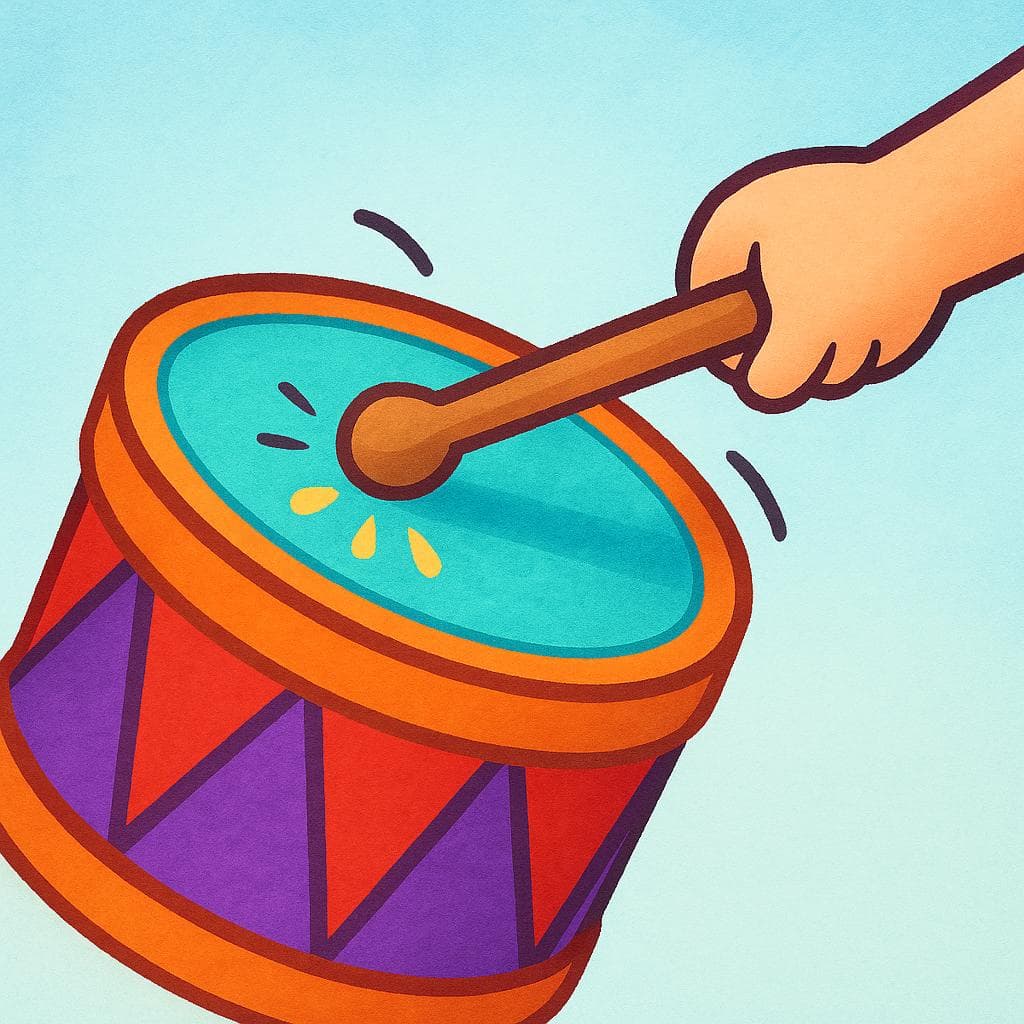
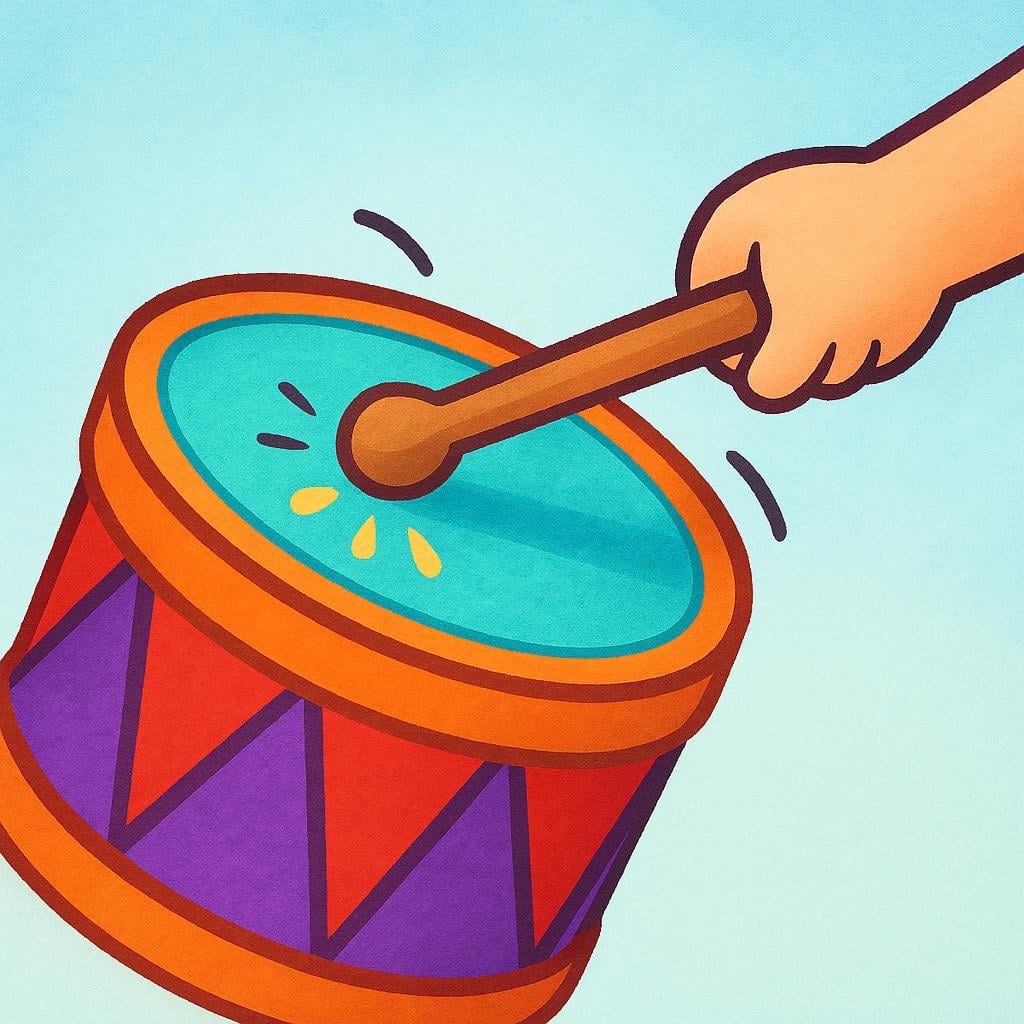
A close-up of a hand holding a drumstick striking the skin of a large, colorful drum, illustrating a physical action.

Visualizing 'golpeó' as a physical blow: The drummer hit the drum.

golpeó(Verb)

A2regular ar

hit

?

physical blow

,

struck

?

past action

Also:

knocked

?

a sudden impact

,

slammed into

?

a vehicle collision

📝 In Action

El coche rojo golpeó el muro de contención.

A2

The red car hit the retaining wall.

Ella golpeó la mesa con el puño de la frustración.

B1

She hit the table with her fist out of frustration.

El viento fuerte golpeó la puerta hasta que se abrió.

B1

The strong wind struck the door until it opened.

Word Connections

Synonyms

  • pegar (to hit)
  • chocar (to crash)

Common Collocations

  • golpeó la puertahe/she/it knocked on the door
  • golpeó la pelotahe/she/it hit the ball

💡 Grammar Points

Action Completed in the Past

The form 'golpeó' is the simple past tense (preterite). It tells you that the action of hitting happened once and finished completely at a specific time in the past.

❌ Common Pitfalls

Preterite vs. Imperfect

Mistake: "Usando 'golpeaba' (imperfect) en lugar de 'golpeó' (preterite) para una acción única."

Correction: Use 'golpeó' if the action was a single, completed event ('He hit the drum once'). Use 'golpeaba' if it was a repeated action or ongoing background ('He used to hit the drum').

⭐ Usage Tips

Focus on the Result

'Golpeó' emphasizes the moment of impact. If you want to talk about someone hitting themselves accidentally, you would say 'se golpeó'.

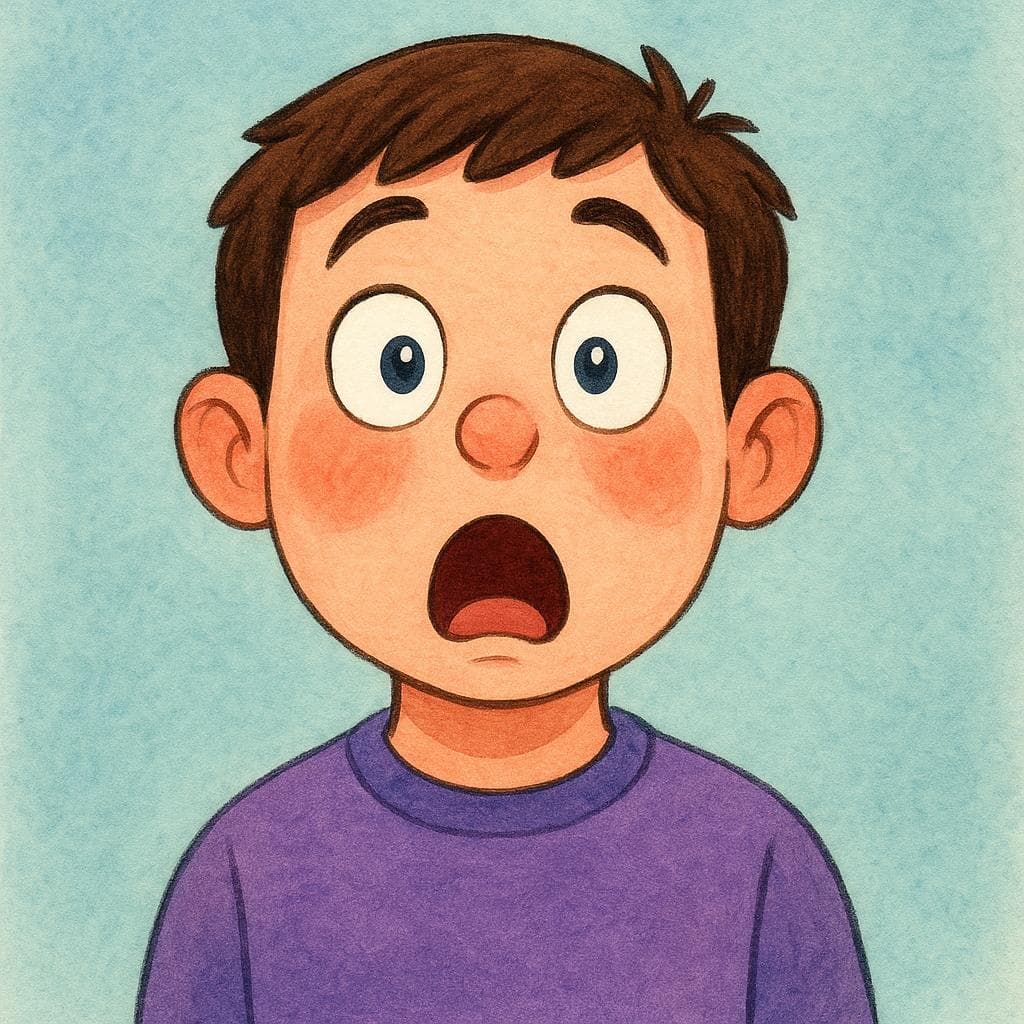
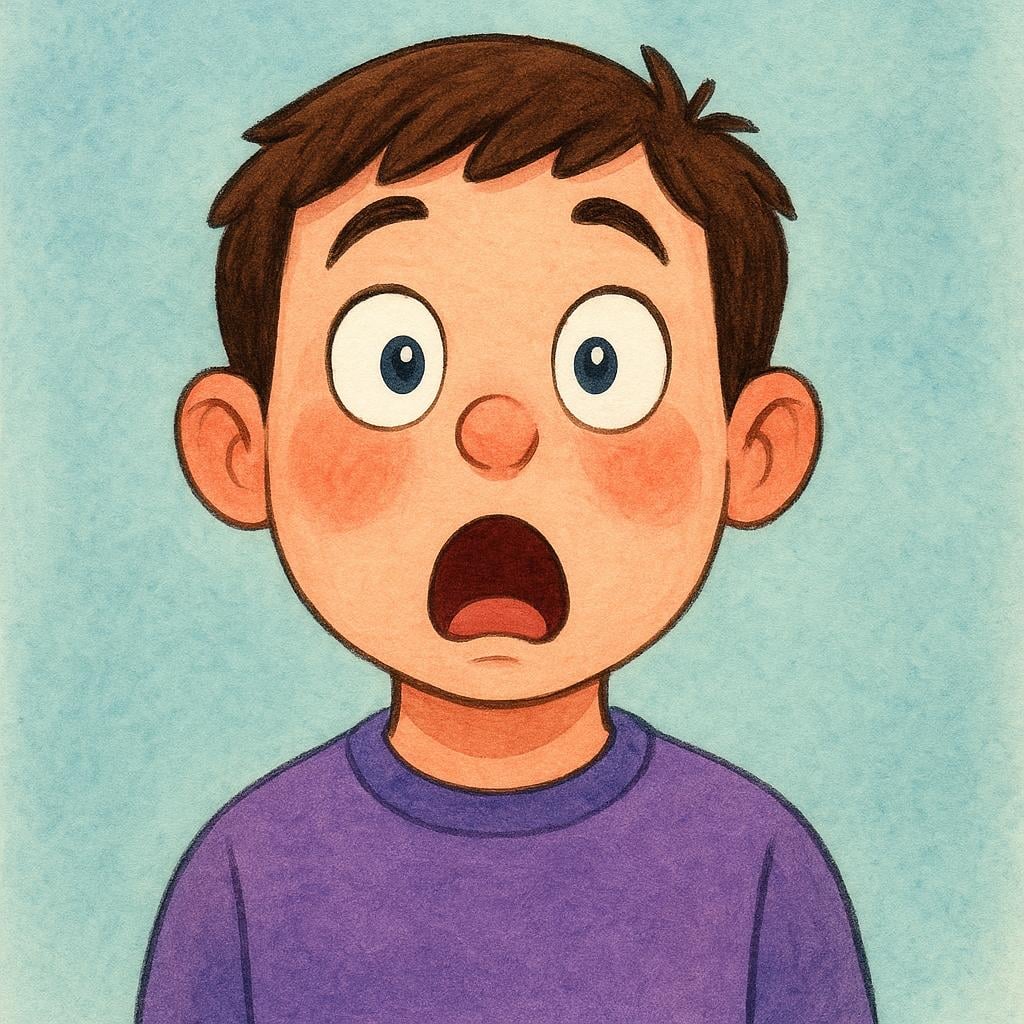
A simple illustration of a person with wide eyes and a dropped jaw, looking stunned and emotionally shocked.

Visualizing 'golpeó' as an emotional impact: The unexpected news shocked her.

golpeó(Verb)

B2regular ar

shocked

?

affected someone emotionally or financially

,

took a toll on

?

had a severe negative impact

Also:

devastated

?

figurative meaning of striking hard

📝 In Action

La crisis económica golpeó con fuerza a las pequeñas empresas.

B2

The economic crisis hit small businesses hard.

Su muerte golpeó a toda la familia; fue inesperado.

C1

His death shocked the whole family; it was unexpected.

Word Connections

Synonyms

  • afectar (to affect)
  • conmocionar (to shock)

Common Collocations

  • golpeó la moralit affected the morale
  • golpeó el bolsilloit hit the wallet (financially)

💡 Grammar Points

Figurative Use

When used figuratively, 'golpeó' often describes something negative (like bad news, a storm, or a financial loss) acting as the subject, and the person or group being affected is the direct object.

⭐ Usage Tips

Reporting Impact

This sense is perfect for formal writing or reporting on events that have a significant, negative consequence, such as 'La sequía golpeó la agricultura' (The drought hit agriculture).

🔄 Conjugations

indicative

present

él/ella/ustedgolpea
yogolpeo
golpeas
ellos/ellas/ustedesgolpean
nosotrosgolpeamos
vosotrosgolpeáis

imperfect

él/ella/ustedgolpeaba
yogolpeaba
golpeabas
ellos/ellas/ustedesgolpeaban
nosotrosgolpeábamos
vosotrosgolpeabais

preterite

él/ella/ustedgolpeó
yogolpeé
golpeaste
ellos/ellas/ustedesgolpearon
nosotrosgolpeamos
vosotrosgolpeasteis

subjunctive

present

él/ella/ustedgolpee
yogolpee
golpees
ellos/ellas/ustedesgolpeen
nosotrosgolpeemos
vosotrosgolpeéis

imperfect

él/ella/ustedgolpeara
yogolpeara
golpearas
ellos/ellas/ustedesgolpearan
nosotrosgolpeáramos
vosotrosgolpearais

✏️ Quick Practice

💡 Quick Quiz: golpeó

Question 1 of 1

Which sentence uses 'golpeó' to describe a sudden emotional impact, not a physical one?

📚 More Resources

Frequently Asked Questions

¿Qué significa 'golpeó'?

'Golpeó' means 'he, she, it, or you (formal) hit/struck' and is the simple past tense of the verb 'golpear'. It describes a completed action that happened at a specific point in the past.

Is 'golpeó' regular or irregular?

The verb 'golpear' is a regular '-ar' verb. This means its endings follow the standard, predictable pattern for verbs like 'hablar' or 'cantar', making its conjugation easy to remember.