heridos
“heridos” means “wounded people” in Spanish. It has 2 different meanings depending on context:
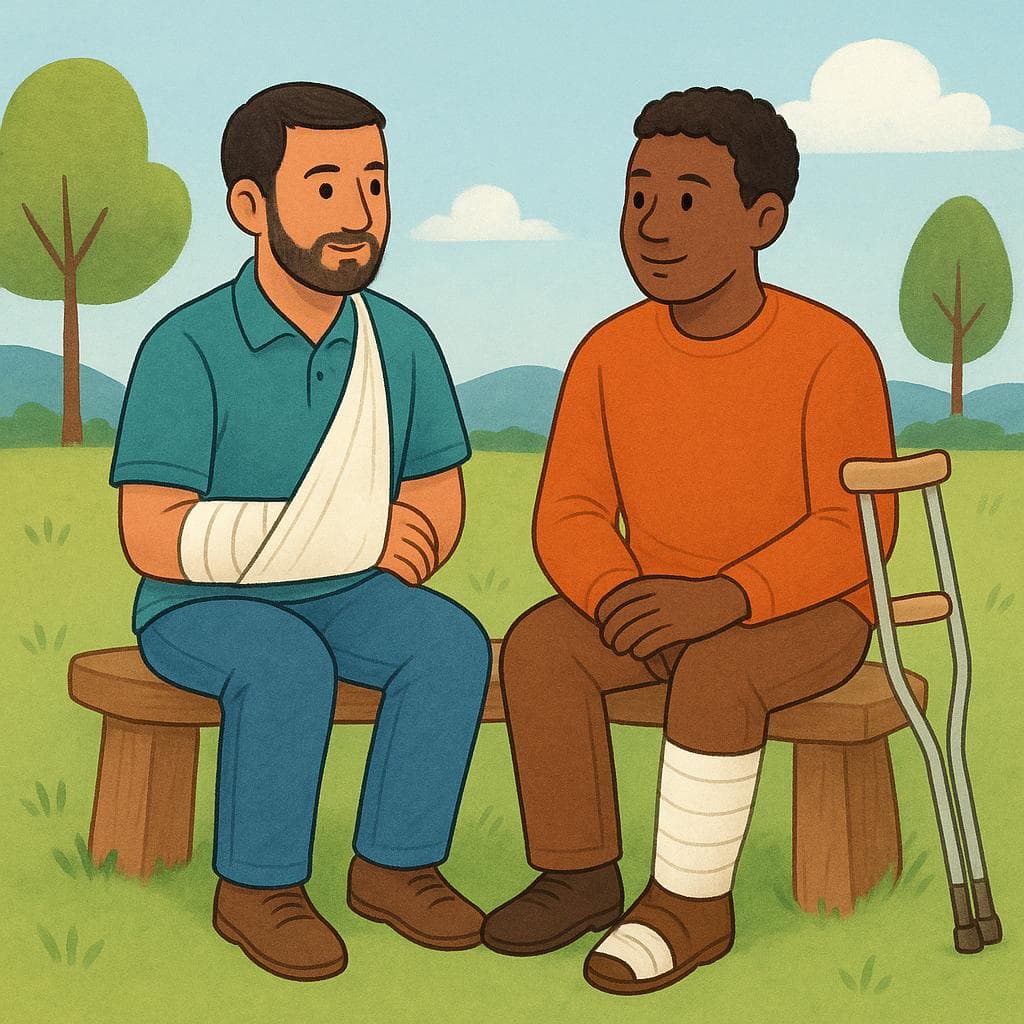
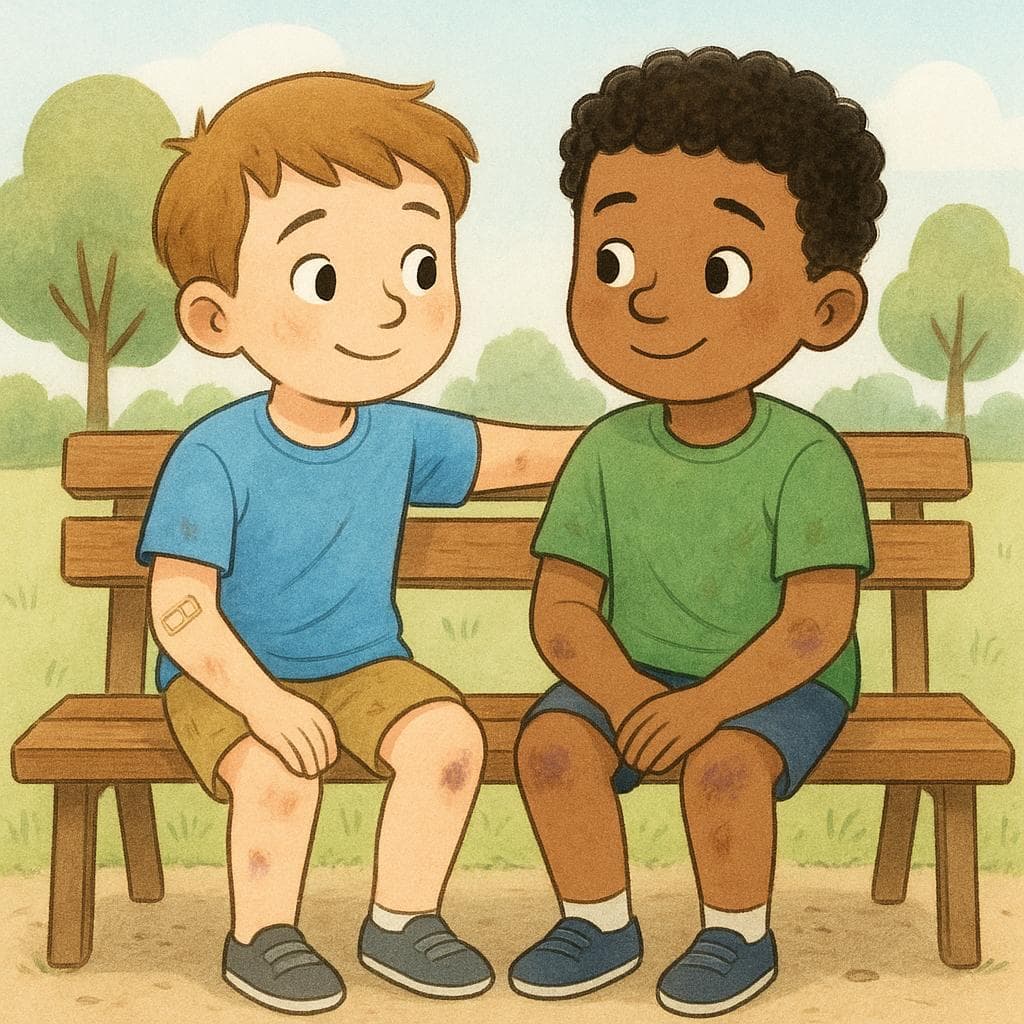
wounded people
Also: the injured, casualties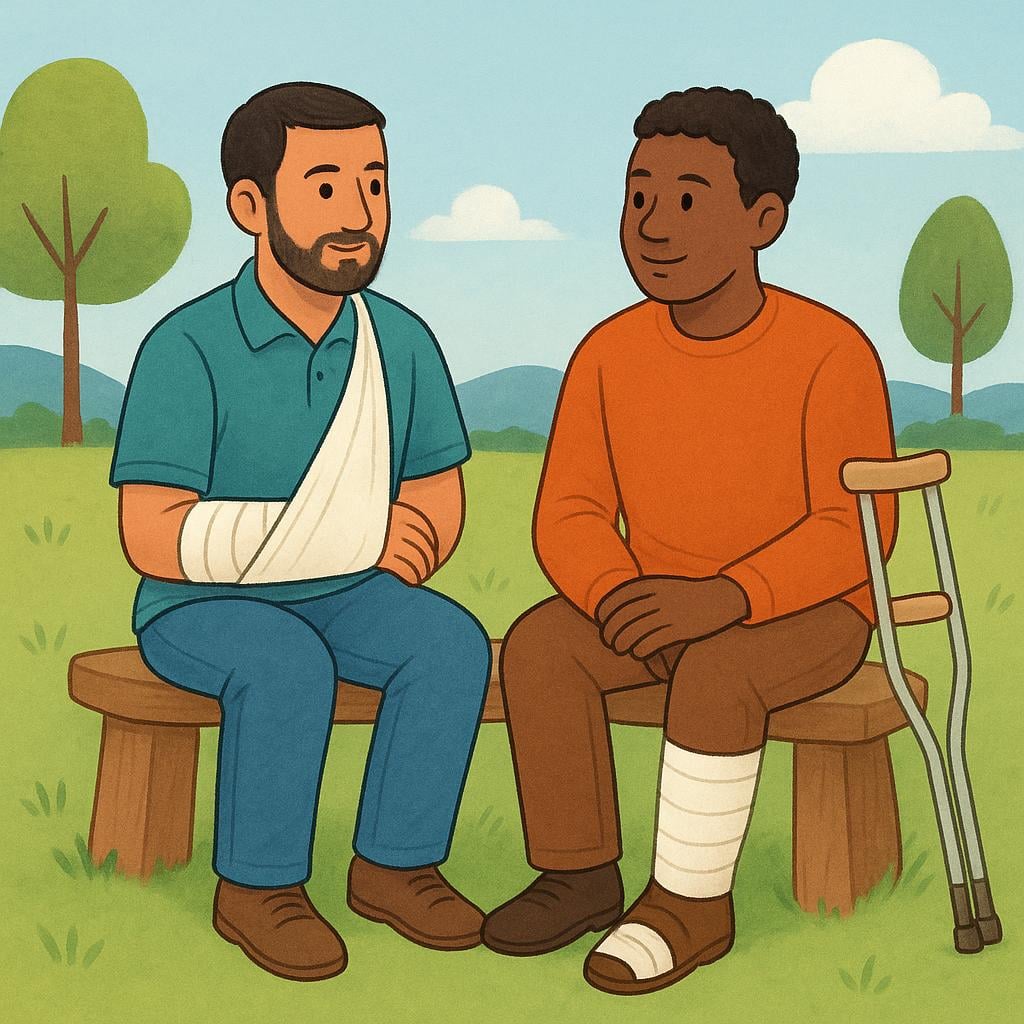
📝 In Action
Los servicios de emergencia trasladaron a los heridos al hospital más cercano.
B1The emergency services transferred the wounded (people) to the nearest hospital.
Hubo diez heridos leves y dos graves en el choque.
B2There were ten lightly injured people and two seriously injured in the crash.
wounded
Also: injured, hurt
📝 In Action
Los soldados heridos volvieron a casa.
A2The wounded soldiers returned home.
Vimos varios pájaros heridos cerca del río.
B1We saw several injured birds near the river.
Translate to Spanish
✏️ Quick Practice
Quick Quiz: heridos
Question 1 of 1
Which sentence correctly uses 'heridos' as a noun?
📚 More Resources
👥 Word Family▼
🎵 Rhymes▼
📚 Etymology▼
The word 'herir' comes from the Latin verb *ferīre*, meaning 'to strike' or 'to hit.' Over time, the initial 'f' sound weakened and turned into the silent 'h' we see today.
First recorded: Medieval Spanish
Cognates (Related words)
💡 Master Spanish
Take your Spanish to the next level. Read 200+ illustrated and narrated Spanish stories tailored to your level with the Inklingo app!
Frequently Asked Questions
What is the difference between 'heridos' and 'lesionados'?
Both mean 'injured' or 'wounded.' 'Heridos' (from *herir*) often implies a more physical, often external wound (like a cut or gunshot). 'Lesionados' (from *lesionar*) is a broader, slightly more technical term for any kind of bodily injury or lesion, often used in sports or legal contexts.
If I am only talking about women, should I use 'heridos'?
No. If the group consists entirely of women, you must use the feminine form: 'las heridas'. If the group is mixed (men and women), Spanish defaults to the masculine plural form: 'los heridos'.