hormiga
“hormiga” means “ant” in Spanish. It has 2 different meanings depending on context:


ant
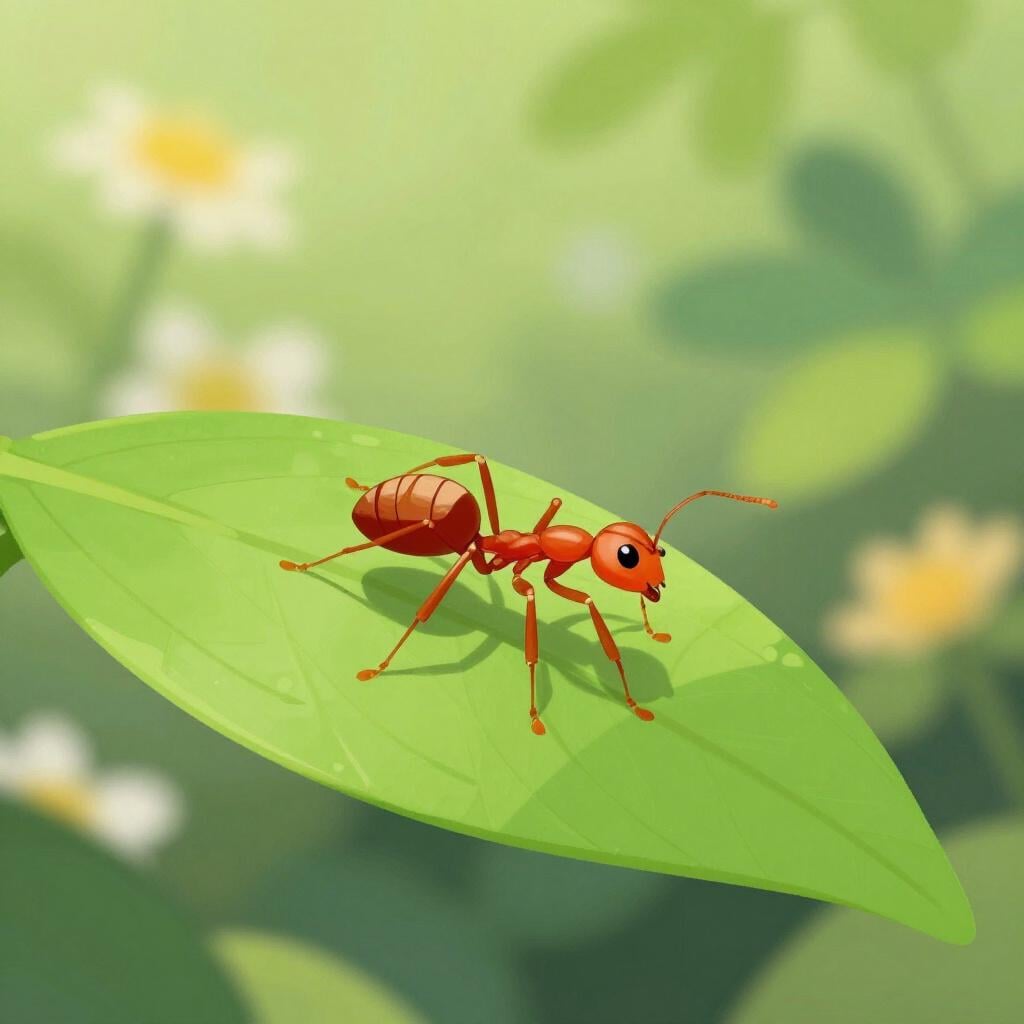
📝 In Action
Mira esa hormiga cargando una hoja.
A1Look at that ant carrying a leaf.
Las hormigas viven en colonias muy organizadas.
A2Ants live in very organized colonies.
Había una fila de hormigas entrando por la ventana de la cocina.
B1There was a line of ants coming in through the kitchen window.
busy bee / thrifty person

📝 In Action
Mi tía es una hormiga; ha ahorrado peso por peso para su casa.
B2My aunt is a busy bee; she has saved peso by peso for her house.
Translate to Spanish
Words that translate to "hormiga" in Spanish:
ant→✏️ Quick Practice
Quick Quiz: hormiga
Question 1 of 3
How do you say 'a male ant' in Spanish?
📚 More Resources
👥 Word Family▼
📚 Etymology▼
From the Latin word 'formīca', which has the same meaning. Over centuries, the 'f' at the start changed to an 'h' in Spanish, which eventually became silent.
First recorded: 10th century
Cognates (Related words)
💡 Master Spanish
Take your Spanish to the next level. Read 200+ illustrated and narrated Spanish stories tailored to your level with the Inklingo app!
Frequently Asked Questions
Is 'hormiga' ever masculine?
No, 'hormiga' is grammatically feminine regardless of the biological sex of the insect.
What is the difference between 'hormiga' and 'hormigón'?
While they look similar, 'hormiga' is an ant, and 'hormigón' is the word for concrete (the building material). They are related because concrete looks 'grainy' like a pile of small things.
How do you say 'antsy' in Spanish?
We don't use 'hormiga' for that! To say you are restless or antsy, you might say 'tener hormiguillo' or 'estar inquieto'.