infantería
“infantería” means “infantry” in Spanish. It has 2 different meanings depending on context:
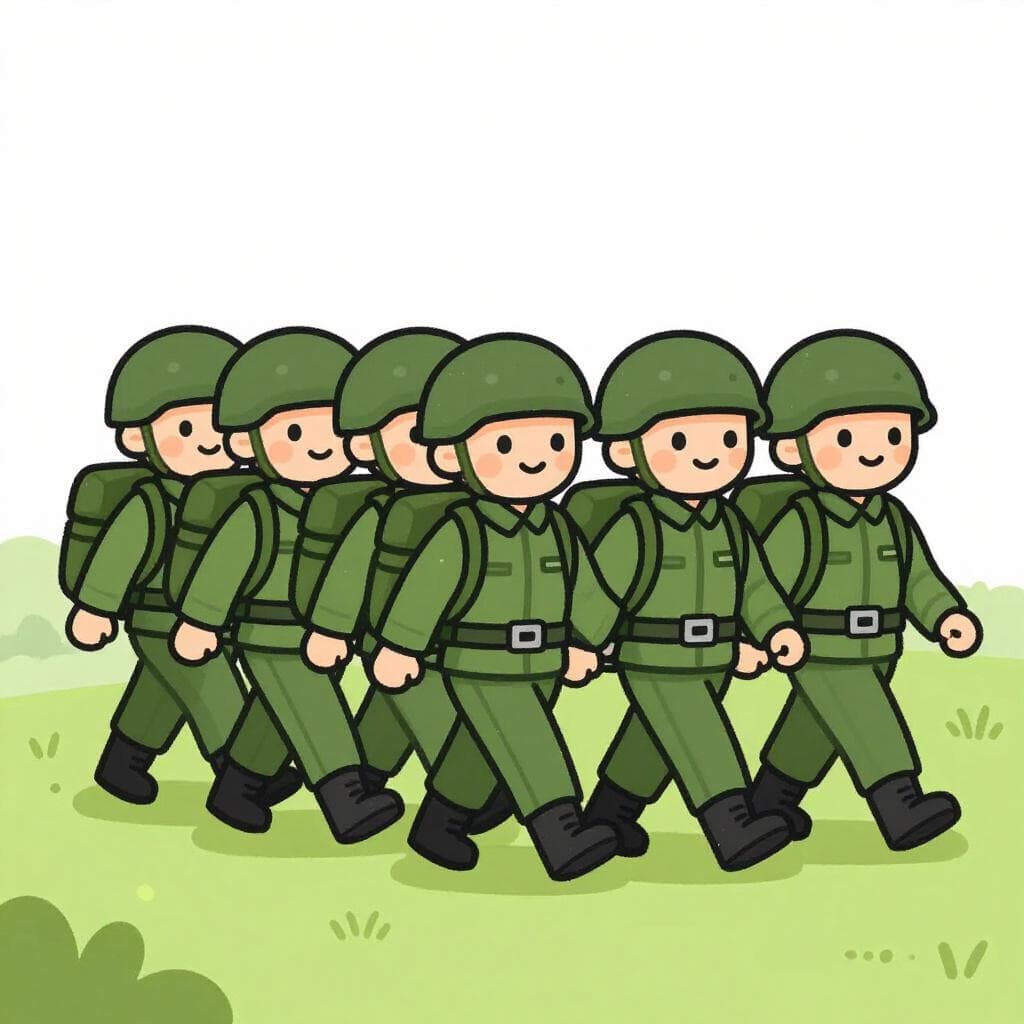
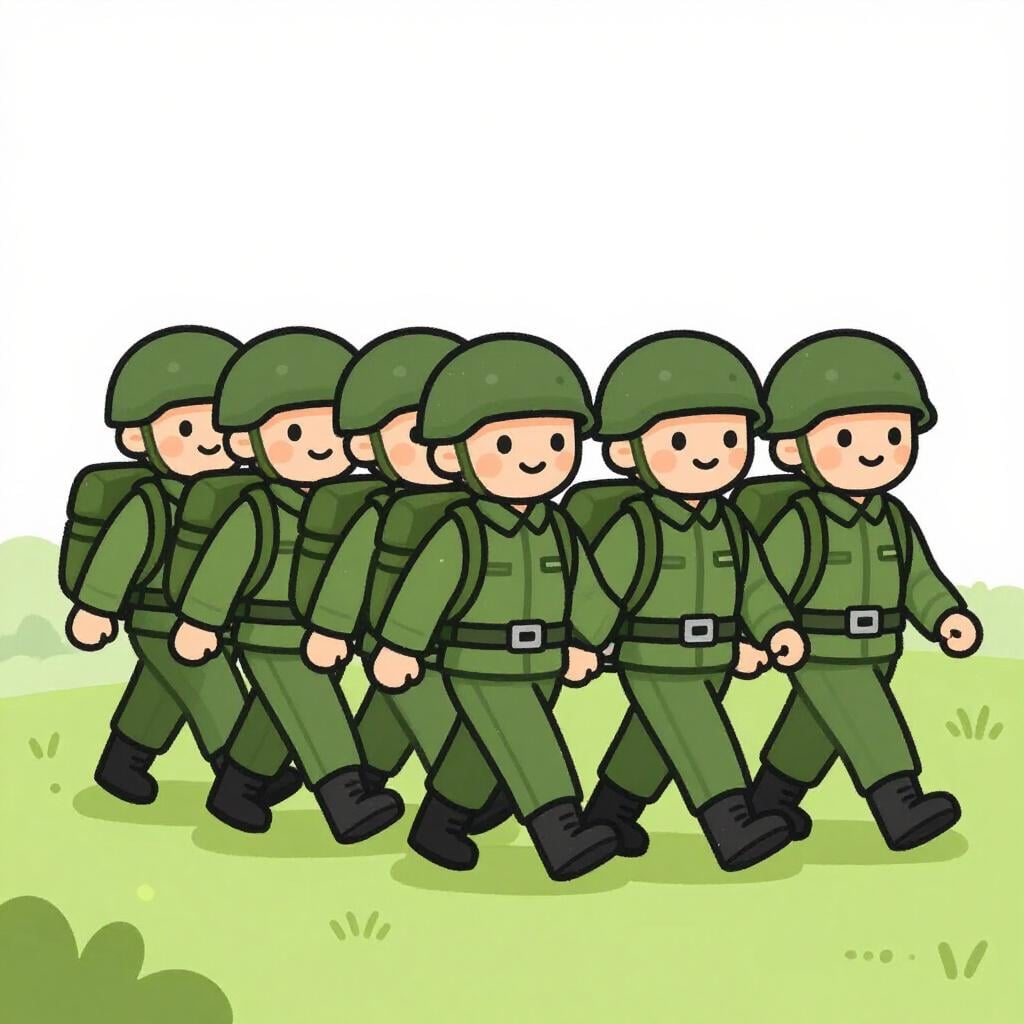
infantryAlso: foot soldiers
📝 In Action
El general ordenó a la infantería avanzar al amanecer.
B1The general ordered the infantry to advance at dawn.
Mi bisabuelo fue soldado de infantería en la guerra.
A2My great-grandfather was an infantry soldier in the war.
La infantería de marina desembarcó en la costa.
B2The marines landed on the coast.
Word Connections
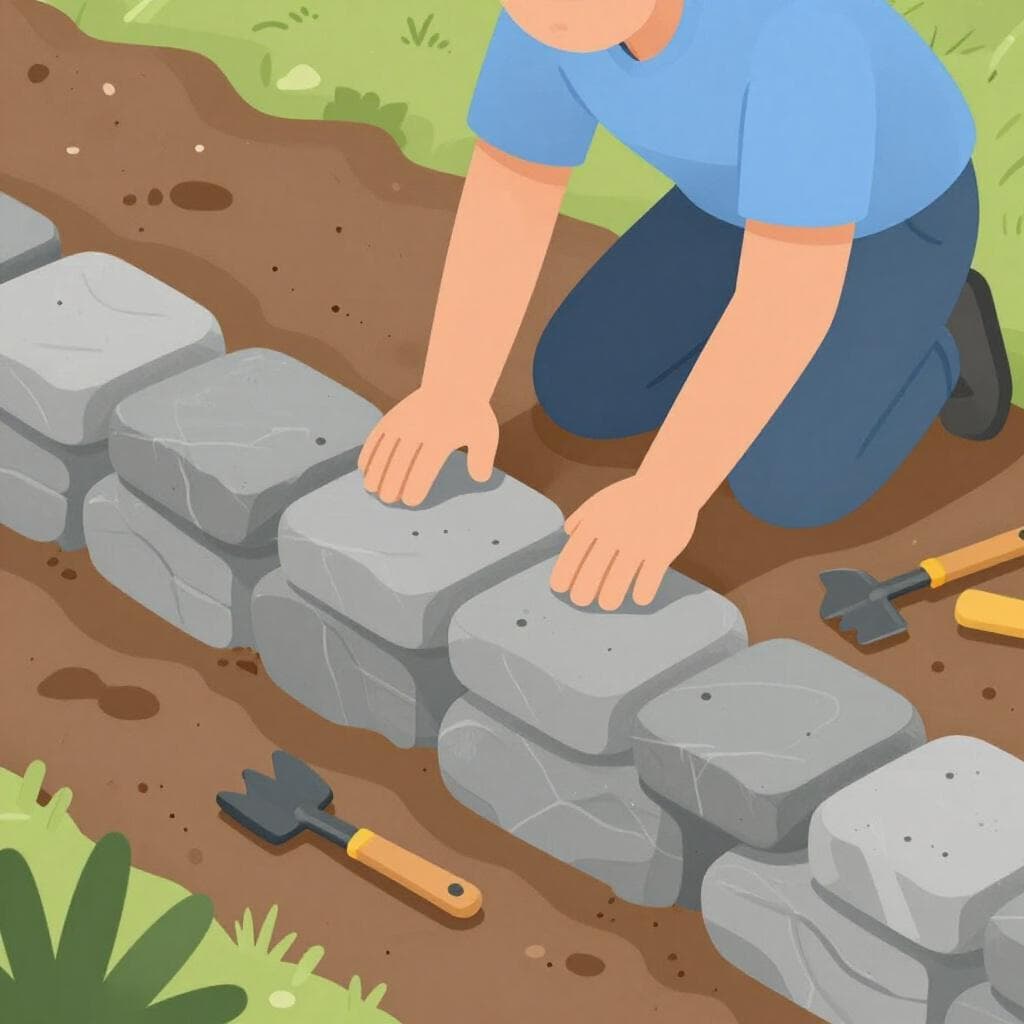
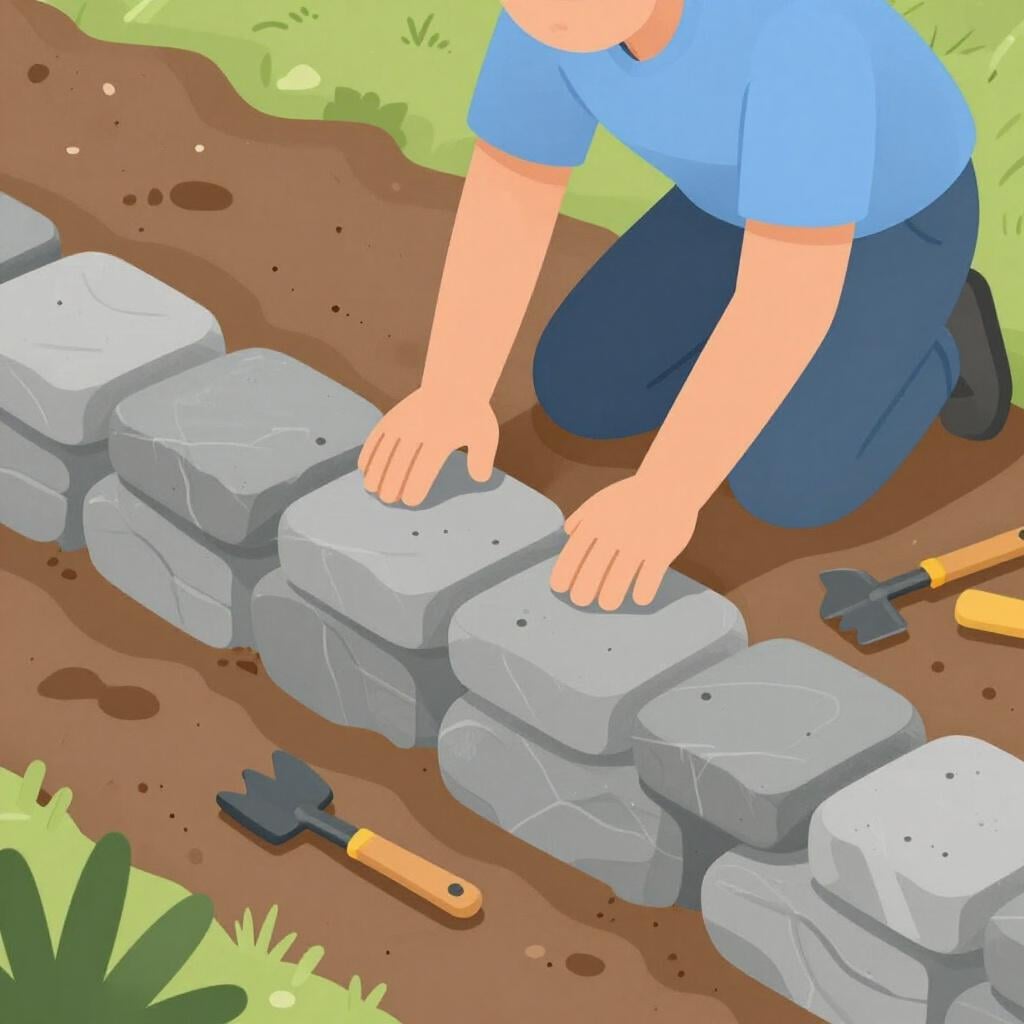
groundworkAlso: grunt work
📝 In Action
Hicimos toda la infantería de la campaña puerta a puerta.
C1We did all the groundwork for the campaign going door to door.
Este proyecto requiere mucho trabajo de infantería antes de lanzarlo.
B2This project requires a lot of grunt work before launching it.
Word Connections
Translate to Spanish
Words that translate to "infantería" in Spanish:
✏️ Quick Practice
Quick Quiz: infantería
Question 1 of 3
Which of these is the most accurate translation for 'infantería de marina'?
📚 More Resources
👥 Word Family
🎵 Rhymes
📚 Etymology
From the Italian 'infanteria', which comes from 'infante'. In the past, young servants or youths who followed knights on foot were called 'infantes'. Eventually, the name was used for all soldiers who fought on foot.
First recorded: 16th century
Cognates (Related words)
💡 Master Spanish
Take your Spanish to the next level. Read 200+ illustrated and narrated Spanish stories tailored to your level with the Inklingo app!
Frequently Asked Questions
Does 'infantería' have anything to do with infants or babies?
Historically, yes! The word comes from 'infante' (child/youth) because foot soldiers were often young servants. However, in modern Spanish, 'infantería' only refers to the military or groundwork, never to actual babies.
How do you say 'one infantry soldier'?
You would say 'un soldado de infantería'. The word 'infantería' refers to the whole group, not an individual person.
Is it used the same way in Spain and Latin America?
Yes, the military and figurative meanings are universal across the Spanish-speaking world.