insecto
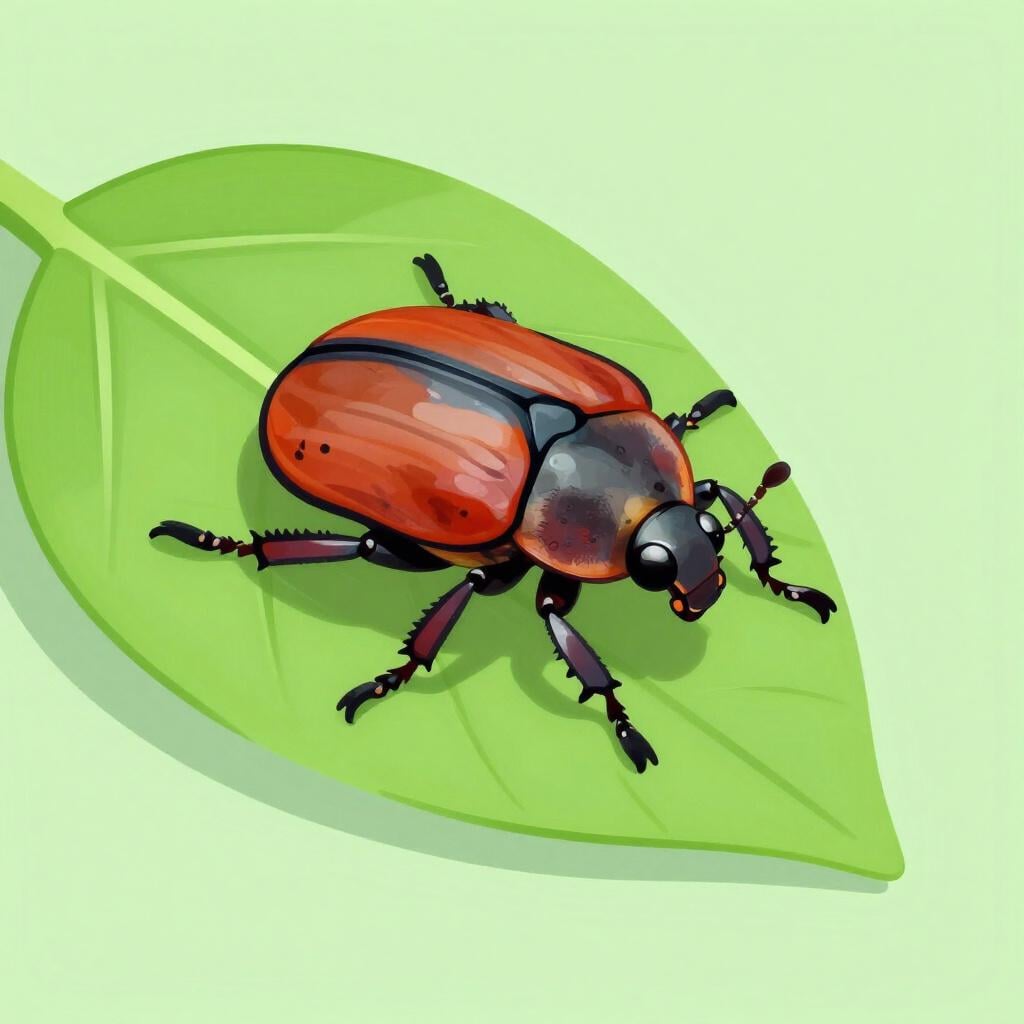
“insecto” means “insect” in Spanish (small animal with six legs and a segmented body).
insectAlso: bug, despicable person
📝 In Action
La abeja es un insecto muy trabajador.
A1The bee is a very hardworking insect.
Hay muchos insectos en el jardín durante el verano.
A1There are many bugs in the garden during the summer.
¡Quita ese insecto de mi mesa!
A2Get that bug off my table!
No me hables, ¡eres un insecto!
B2Don't talk to me, you're a nobody!
Word Connections
Translate to Spanish
Words that translate to "insecto" in Spanish:
✏️ Quick Practice
Quick Quiz: insecto
Question 1 of 2
Which of these is the correct way to say 'the insect'?
📚 More Resources
👥 Word Family
📚 Etymology
From the Latin word 'insectum', which means 'cut into' or 'divided'. This refers to how an insect's body looks like it is divided into distinct sections.
First recorded: 15th century
Cognates (Related words)
💡 Master Spanish
Take your Spanish to the next level. Read 200+ illustrated and narrated Spanish stories tailored to your level with the Inklingo app!
Frequently Asked Questions
Does 'insecto' only refer to ants and bees?
No, it refers to any animal in the class Insecta (six legs, three body parts), but in common speech, people use it for almost any small crawling creature.
Can I use 'insecto' to describe a person?
Yes, but be careful! Calling someone an 'insecto' is an insult, meaning you think they are small, insignificant, or annoying.