How to Say "insect" in Spanish
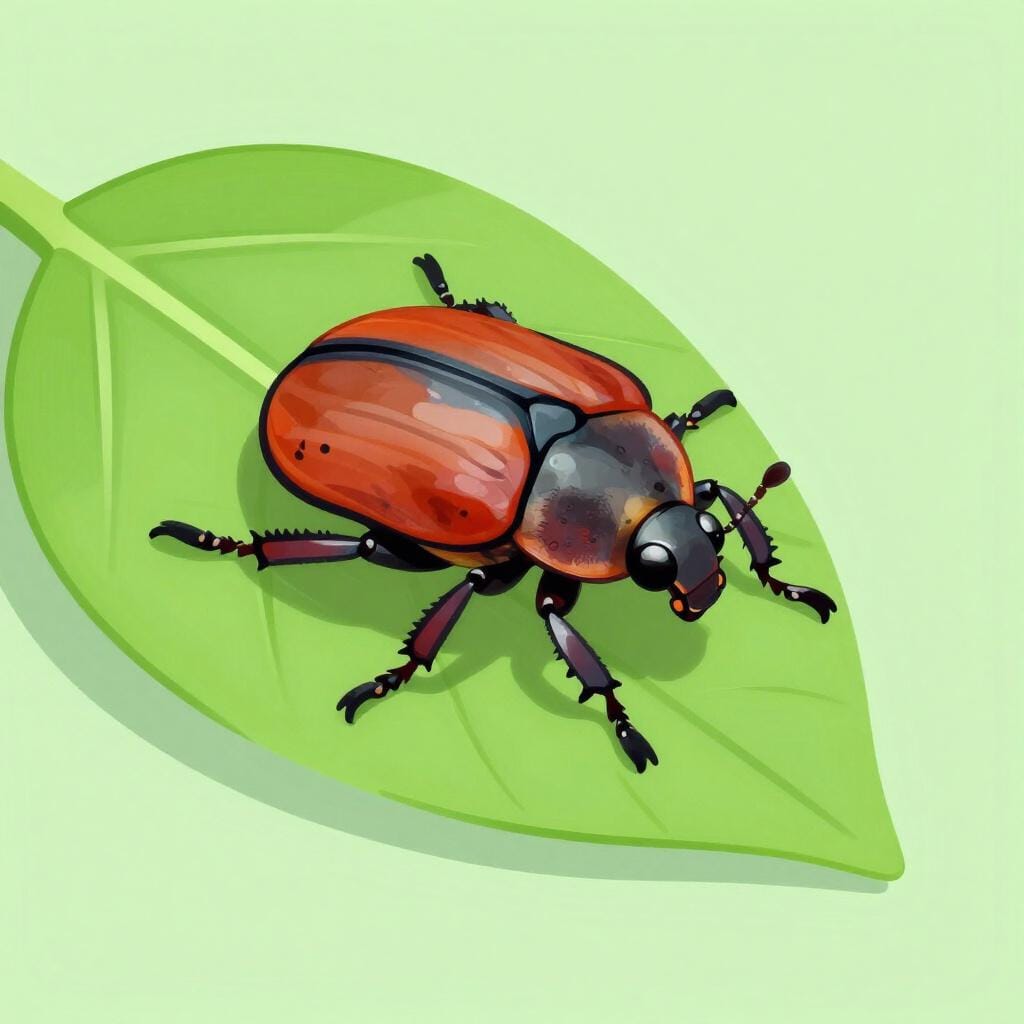
The most common Spanish word for “insect” is “insecto” — use 'insecto' when referring to the scientific or biological classification of a six-legged arthropod with a distinct body in three parts (head, thorax, abdomen).
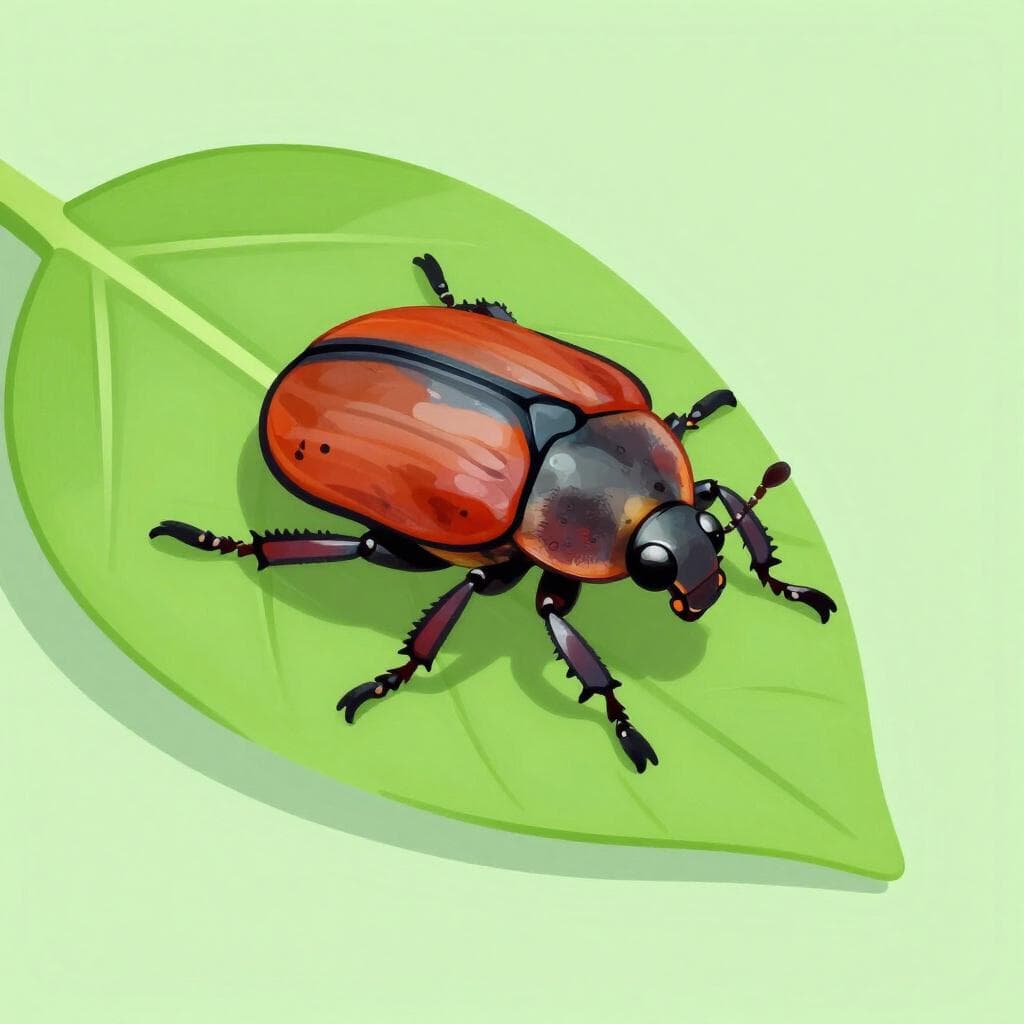
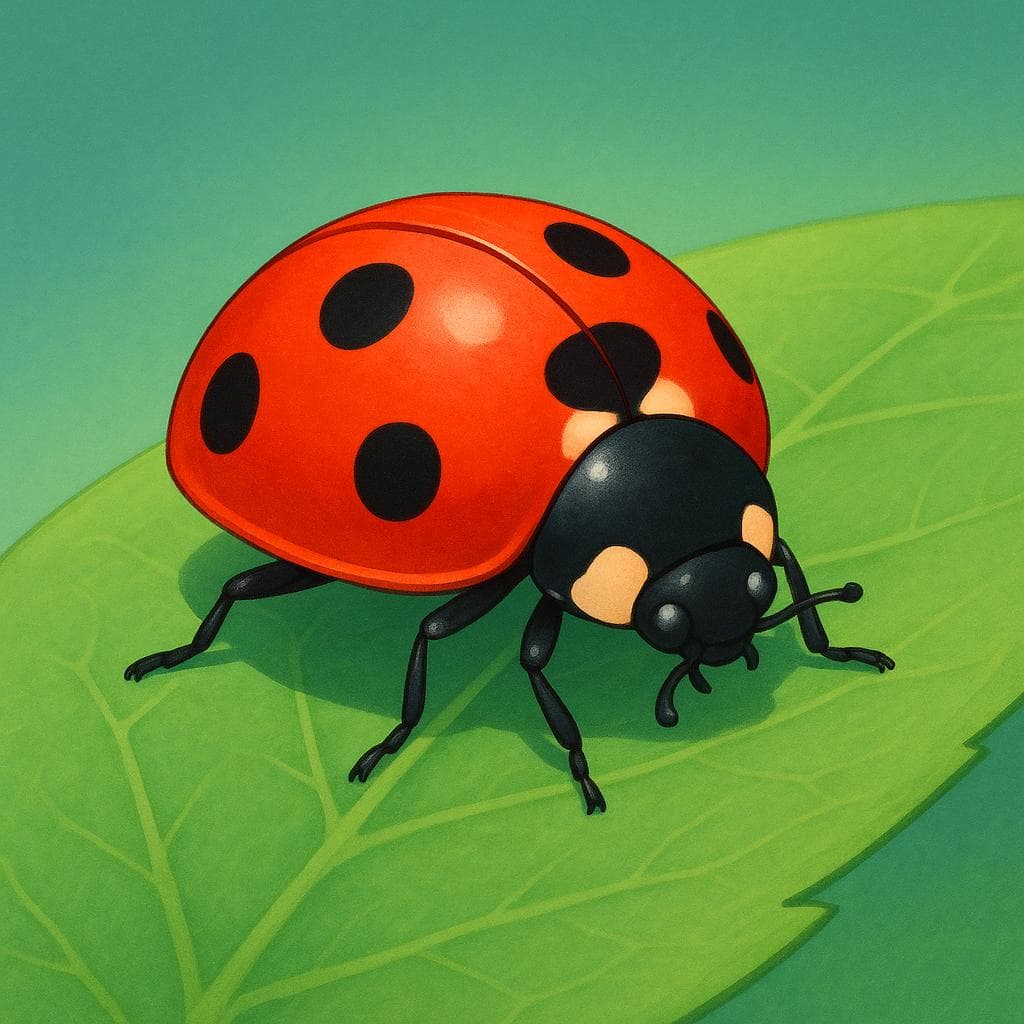
insecto
een-SEK-tohinˈsekto
Examples
La mariposa es un insecto fascinante.
The butterfly is a fascinating insect.
La abeja es un insecto muy trabajador.
The bee is a very hardworking insect.
Hay muchos insectos en el jardín durante el verano.
There are many bugs in the garden during the summer.
¡Quita ese insecto de mi mesa!
Get that bug off my table!
Masculine Noun
This word is masculine, so you should always use 'el' or 'un' with it (el insecto, un insecto), even if you are talking about a female bug!
Insects vs. Spiders
Mistake: “Calling a spider 'un insecto' in a biology exam.”
Correction: While people often call any small crawly thing an 'insecto' or 'bicho', technically spiders are arachnids. Use 'insecto' strictly for six-legged creatures if you want to be precise.
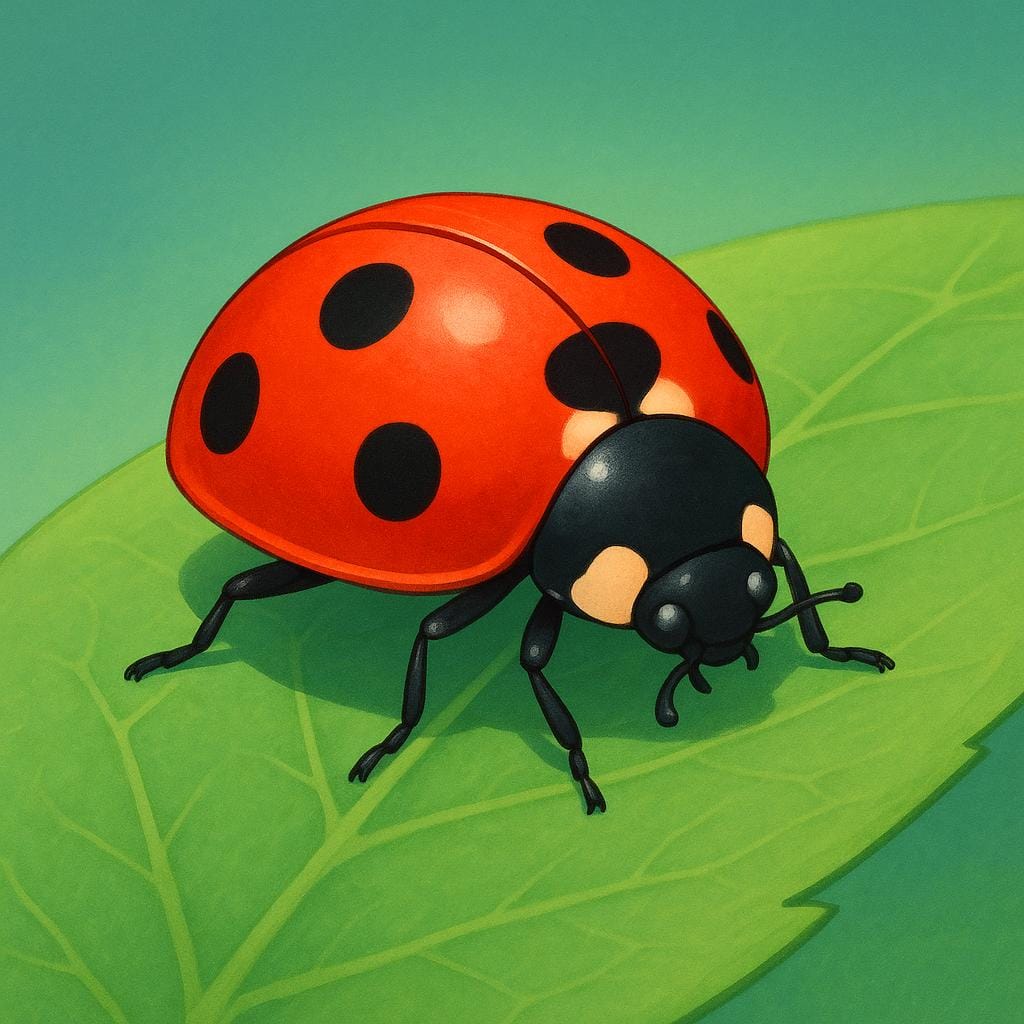
bicho
bee-choˈbitʃo
Examples
¡Cuidado! Hay un bicho raro en la pared.
Careful! There's a strange bug on the wall.
Hay un bicho enorme en mi ensalada. ¡Qué asco!
There is a huge bug in my salad. How gross!
Los niños estaban buscando bichos debajo de las piedras.
The children were looking for critters under the rocks.
Always Masculine
Even if the creature is female, 'bicho' is always used with masculine articles (el bicho, un bicho).
Confusing Gender
Mistake: “La bicha (unless referring to a regional slang for a female person)”
Correction: Use 'el bicho' for insects/animals; the feminine form 'bicha' is rarely used in this context.
Using 'bicho' for all insects
Learn Spanish with Inklingo
Interactive stories, personalized learning, and more.