jinete
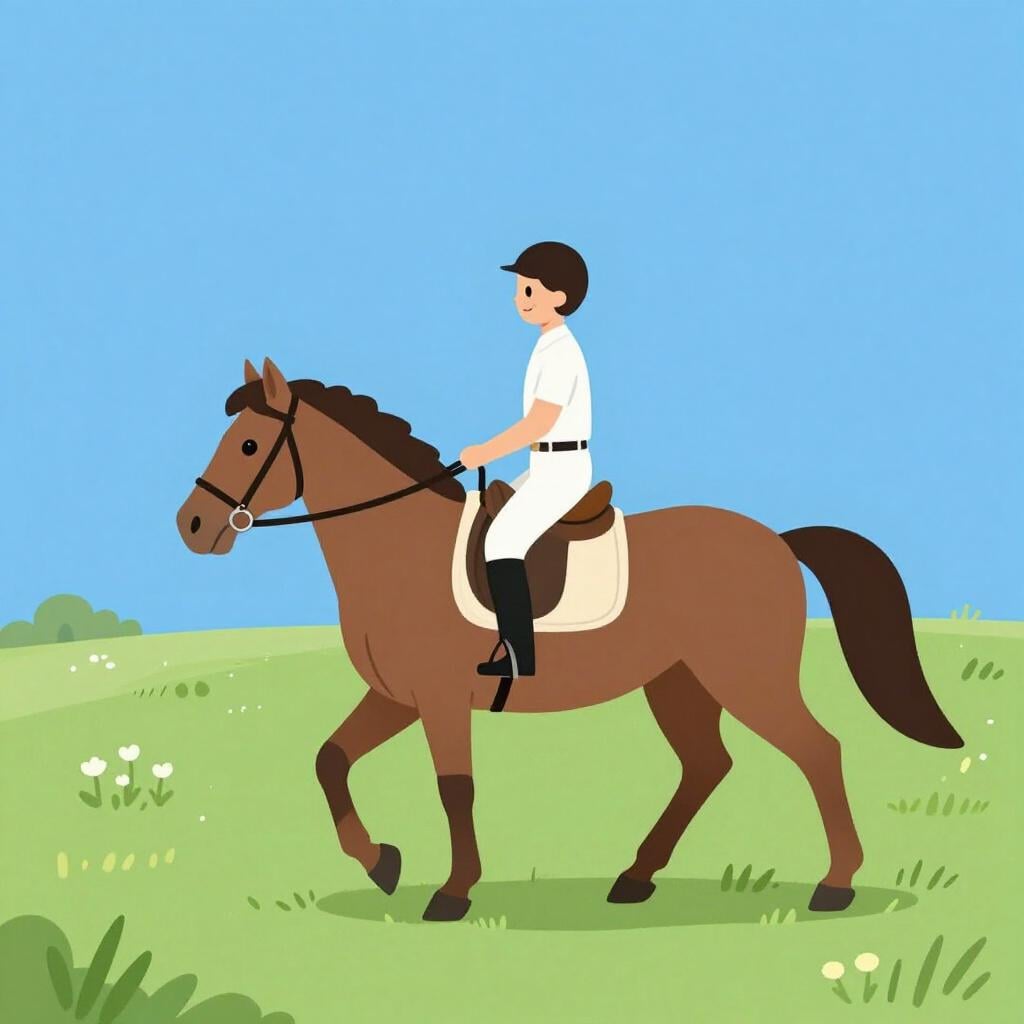
“jinete” means “rider” in Spanish (a person who rides a horse).
rider, horsemanAlso: equestrian, jockey
📝 In Action
El jinete cruzó el río con su caballo al atardecer.
B1The rider crossed the river with his horse at sunset.
Ella es una jinete muy experimentada y ha ganado muchos premios.
B1She is a very experienced rider and has won many awards.
Los cuatro jinetes del Apocalipsis son personajes famosos.
B2The four horsemen of the Apocalypse are famous characters.
Word Connections
Translate to Spanish
Words that translate to "jinete" in Spanish:
🗣️ Practice in a Tongue Twister
✏️ Quick Practice
Quick Quiz: jinete
Question 1 of 1
If you want to talk about a female horse rider, which is the correct way to say it?
📚 More Resources
👥 Word Family
📚 Etymology
From the Arabic 'Zanāta', which was the name of a Berber tribe from North Africa famous for their incredible skill on horseback.
First recorded: 13th century
Cognates (Related words)
💡 Master Spanish
Take your Spanish to the next level. Read 200+ illustrated and narrated Spanish stories tailored to your level with the Inklingo app!
Frequently Asked Questions
Is 'jinete' the same as 'jockey'?
A 'jockey' is a specific type of 'jinete' who rides in professional races. 'Jinete' is a broader term for anyone riding a horse, whether for fun, work, or sport.
Can I use 'jinete' for someone riding a bike?
No, for a bike rider, you should use 'ciclista'. 'Jinete' is almost exclusively reserved for animals, specifically horses.