lácteo
“lácteo” means “dairy” in Spanish. It has 2 different meanings depending on context:
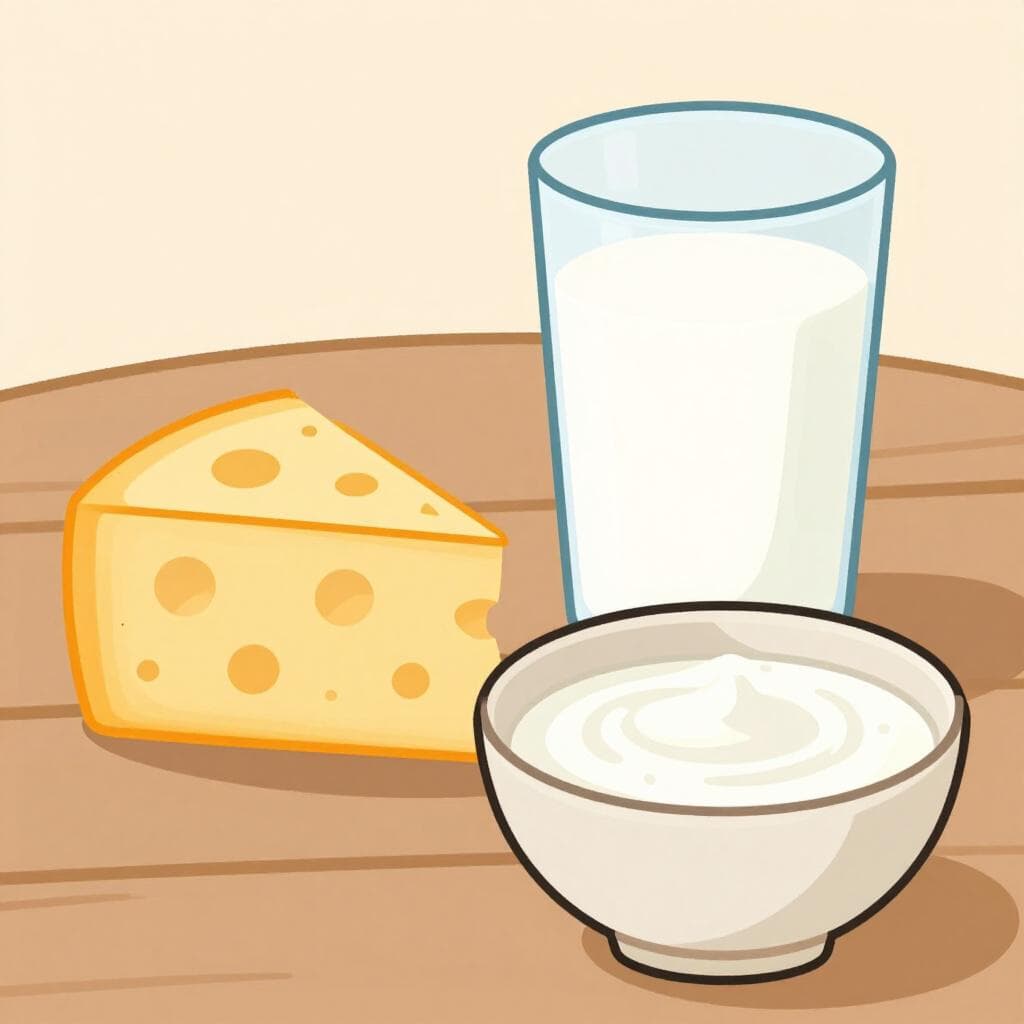

dairyAlso: milky
📝 In Action
El queso es un producto lácteo muy popular.
A1Cheese is a very popular dairy product.
Debes revisar la sección láctea del supermercado.
A2You should check the dairy section of the supermarket.
La industria láctea ha crecido mucho este año.
B1The dairy industry has grown a lot this year.
Word Connections
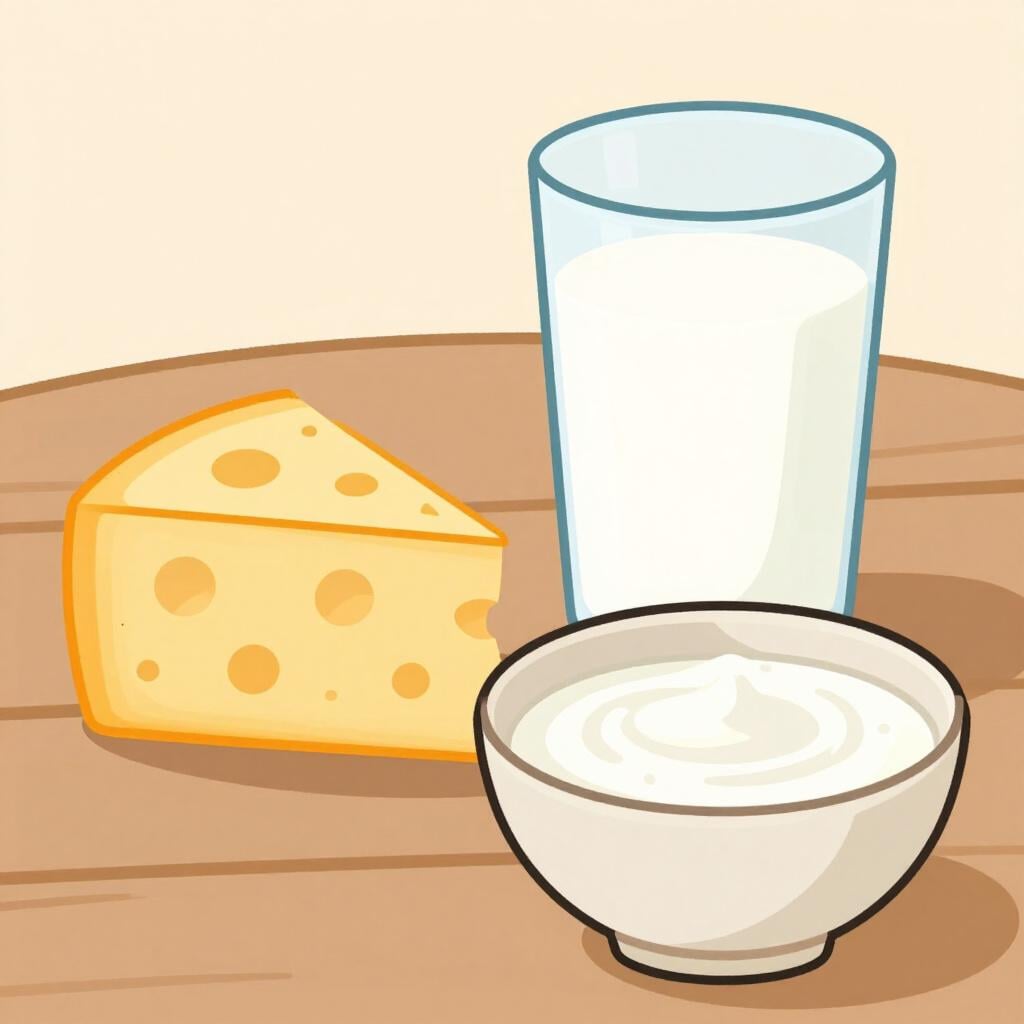
dairy productAlso: dairy

📝 In Action
Los lácteos son una buena fuente de calcio.
A2Dairy products are a good source of calcium.
He decidido dejar de comer lácteos por un mes.
B1I have decided to stop eating dairy for a month.
El yogur es el lácteo que más consumo.
B1Yogurt is the dairy product I consume the most.
Word Connections
Translate to Spanish
Words that translate to "lácteo" in Spanish:
✏️ Quick Practice
Quick Quiz: lácteo
Question 1 of 3
Which of these is the correct way to say 'the dairy industry'?
📚 More Resources
👥 Word Family
🎵 Rhymes
📚 Etymology
From the Latin word 'lacteus', which means 'milky'. This comes from 'lac', the Latin word for milk.
First recorded: 13th century
Cognates (Related words)
💡 Master Spanish
Take your Spanish to the next level. Read 200+ illustrated and narrated Spanish stories tailored to your level with the Inklingo app!
Frequently Asked Questions
Is 'lácteo' the same as 'leche'?
No. 'Leche' is the noun for the liquid 'milk'. 'Lácteo' is an adjective used to describe things related to milk (like 'dairy products') or a noun for the dairy category.
What is the difference between 'lácteo' and 'láctico'?
'Lácteo' means 'dairy' (related to food products). 'Láctico' is more scientific and means 'lactic' (like 'ácido láctico' in muscles or chemistry).
Does 'lácteo' include eggs?
Technically no. While often found in the same aisle, 'lácteos' specifically refers to products derived from milk (yogurt, cheese, butter).