llegará
“llegará” means “will arrive” in Spanish. It has 3 different meanings depending on context:
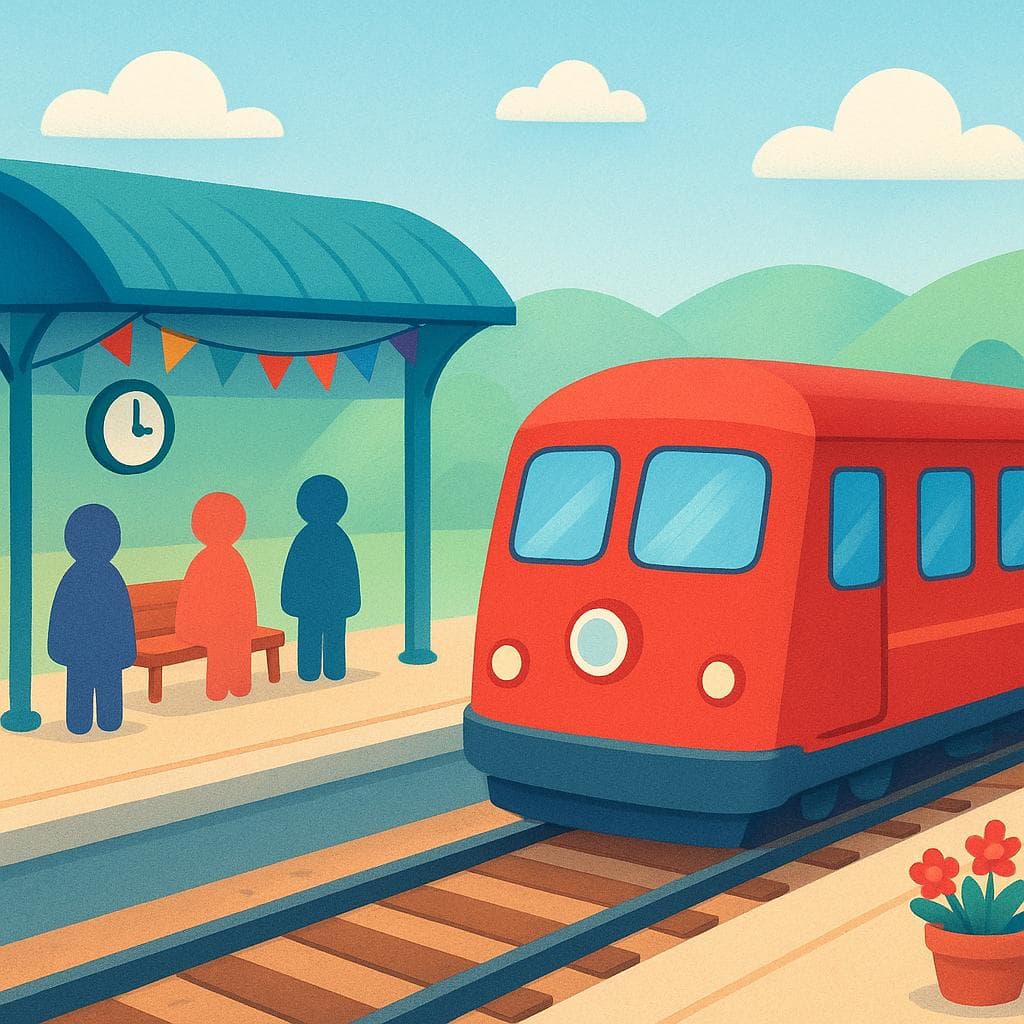


will arrive
Also: will come, will get there
📝 In Action
Mi vuelo llegará a Madrid a las cinco en punto.
A2My flight will arrive in Madrid exactly at five o'clock.
Si salimos ahora, él llegará antes que nosotros.
A1If we leave now, he will arrive before us.
Usted recibirá un mensaje cuando su paquete llegará.
B1You will receive a message when your package arrives.
will come
Also: will happen, will materialize
📝 In Action
El momento de la verdad llegará pronto.
B1The moment of truth will arrive soon.
La paz llegará solo si ambas partes negocian.
B2Peace will come only if both parties negotiate.
El día en que lo entienda, llegará.
B1The day when he understands it will come.
will reach
Also: will attain
📝 In Action
El precio del barril de petróleo llegará a los cien dólares.
B2The price of the oil barrel will reach one hundred dollars.
Si sigue practicando, su nivel de español llegará al C1.
B2If he keeps practicing, his Spanish level will reach C1.
La negociación llegará a un punto crítico mañana.
C1The negotiation will reach a critical point tomorrow.
Indicative
Present
Imperfect
Preterite
Subjunctive
Present Subjunctive
Imperfect Subjunctive
Translate to Spanish
✏️ Quick Practice
Quick Quiz: llegará
Question 1 of 2
Which sentence uses 'llegará' to mean 'will reach a level or quantity'?
📚 More Resources
🎵 Rhymes▼
📚 Etymology▼
Comes from the Vulgar Latin word *plicare*, meaning 'to fold,' which evolved in Spanish to mean 'to approach' or 'to reach a limit,' and eventually 'to arrive.'
First recorded: 10th century
Cognates (Related words)
💡 Master Spanish
Take your Spanish to the next level. Read 200+ illustrated and narrated Spanish stories tailored to your level with the Inklingo app!
Frequently Asked Questions
What is the difference between 'llegará' and 'llega'?
'Llegará' is the future tense, meaning 'will arrive' (an action that hasn't happened yet). 'Llega' is the present tense, meaning 'arrives' or 'is arriving' (an action happening now or habitually).
Can 'llegará' be used to express probability?
Yes! The Spanish future tense can express conjecture or probability in the present. For example, '¿Quién será?' means 'Who might it be?' or 'I wonder who it is.' Similarly, '¿Dónde estará?' (Where might he be?) uses the same pattern as 'llegará'.