lleven
“lleven” means “carry” in Spanish. It has 3 different meanings depending on context:
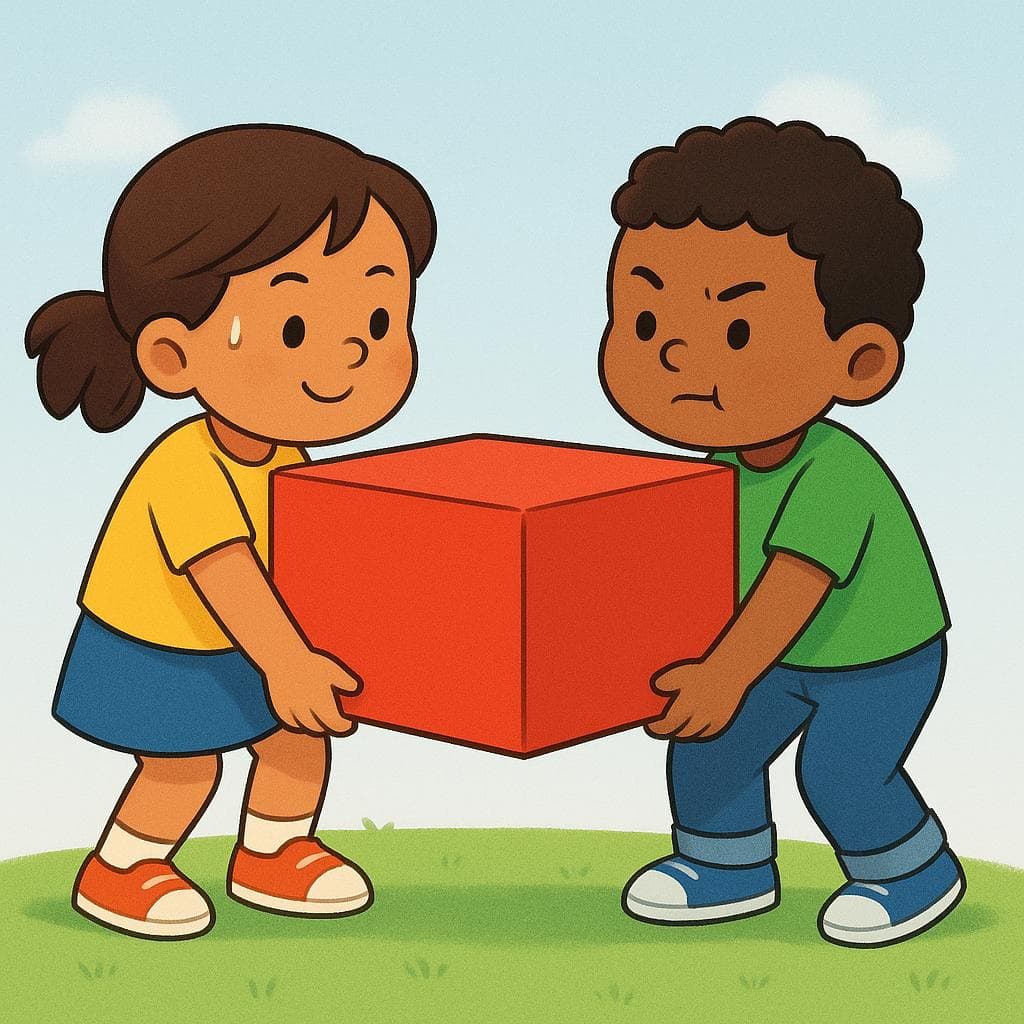


carry, take
Also: bring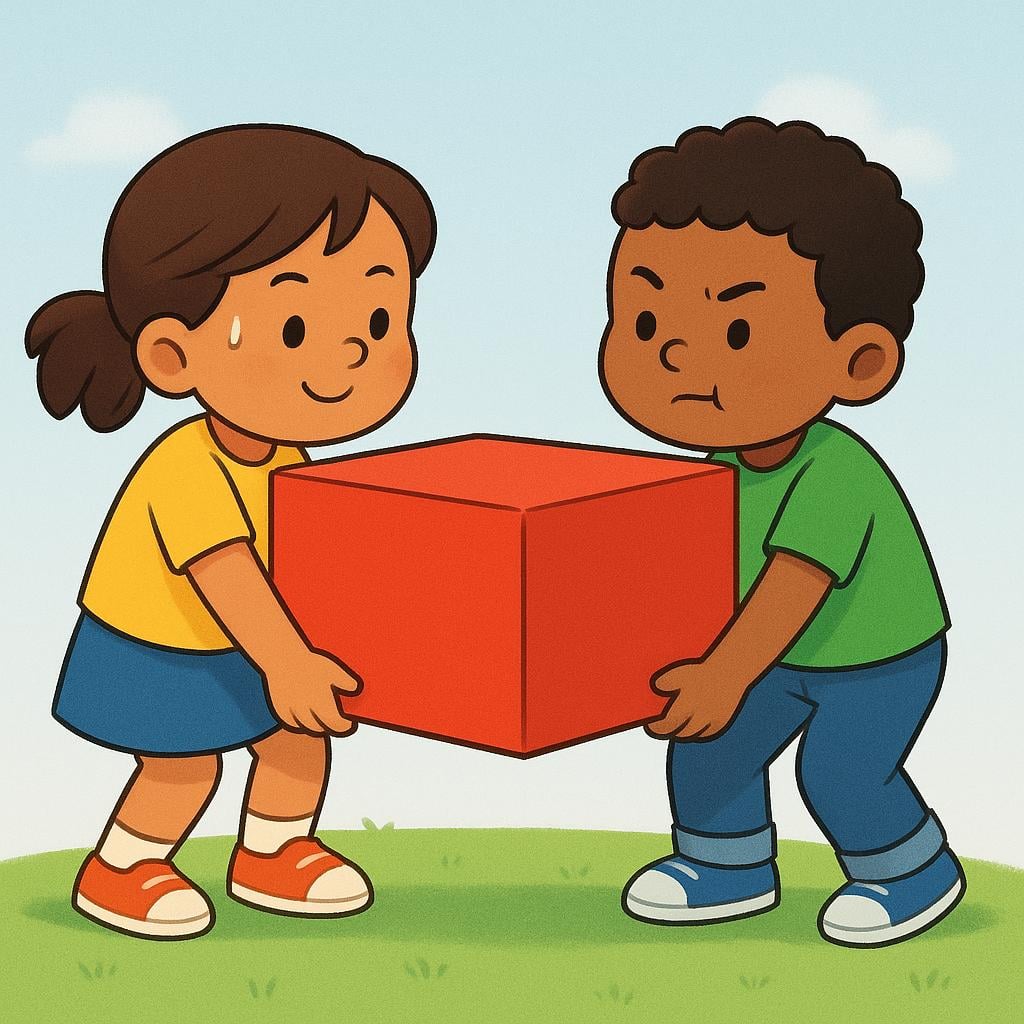
📝 In Action
Espero que los niños lleven sus libros a clase mañana.
A2I hope the children carry their books to class tomorrow.
Señores, lleven sus pasaportes siempre con ustedes.
B1Sirs/Madams, please carry your passports with you always. (Formal command)
wear

📝 In Action
Pido que todos los empleados lleven el uniforme azul.
A1I request that all employees wear the blue uniform.
¡No lleven esos zapatos a la fiesta, por favor!
A2Don't wear those shoes to the party, please! (Formal plural command)
take
Also: lead
📝 In Action
Sugiero que lleven a la abuela al médico mañana.
B1I suggest that they take Grandma to the doctor tomorrow.
Lleven estos turistas al centro de la ciudad.
B1Take these tourists to the city center. (Formal plural command)
Indicative
Present
Imperfect
Preterite
Subjunctive
Present Subjunctive
Imperfect Subjunctive
✏️ Quick Practice
Quick Quiz: lleven
Question 1 of 1
Which sentence correctly uses 'lleven' as a command?
📚 More Resources
👥 Word Family▼
🎵 Rhymes▼
📚 Etymology▼
From the Latin verb *levāre*, meaning 'to lift' or 'to raise.' Over time, the meaning shifted in Spanish to include 'carrying' and 'taking' something from one place to another.
First recorded: Early Romance languages, pre-10th century
Cognates (Related words)
💡 Master Spanish
Take your Spanish to the next level. Read 200+ illustrated and narrated Spanish stories tailored to your level with the Inklingo app!
Frequently Asked Questions
How is 'lleven' different from 'llevan'?
'Llevan' is the regular present tense (they/you plural carry/take/wear). 'Lleven' is the special form (subjunctive) used when expressing wishes, doubts, emotions, or giving formal commands. Think of 'llevan' as a fact, and 'lleven' as a possibility or a request.
Does 'lleven' always mean 'to carry'?
No. 'Lleven' (from 'llevar') is one of the most versatile words in Spanish. It can mean 'to carry,' 'to wear' (clothing), 'to take' (transportation), or even 'to manage' (a situation), depending on the context.