magnificar
“magnificar” means “to magnify” in Spanish. It has 2 different meanings depending on context:

to magnify
Also: to enlarge
📝 In Action
Esta lupa puede magnificar la imagen hasta diez veces.
A2This magnifying glass can magnify the image up to ten times.
El microscopio sirve para magnificar las bacterias.
B1The microscope is used to magnify bacteria.
Es necesario magnificar el mapa para ver los nombres de las calles.
B1It is necessary to enlarge the map to see the street names.
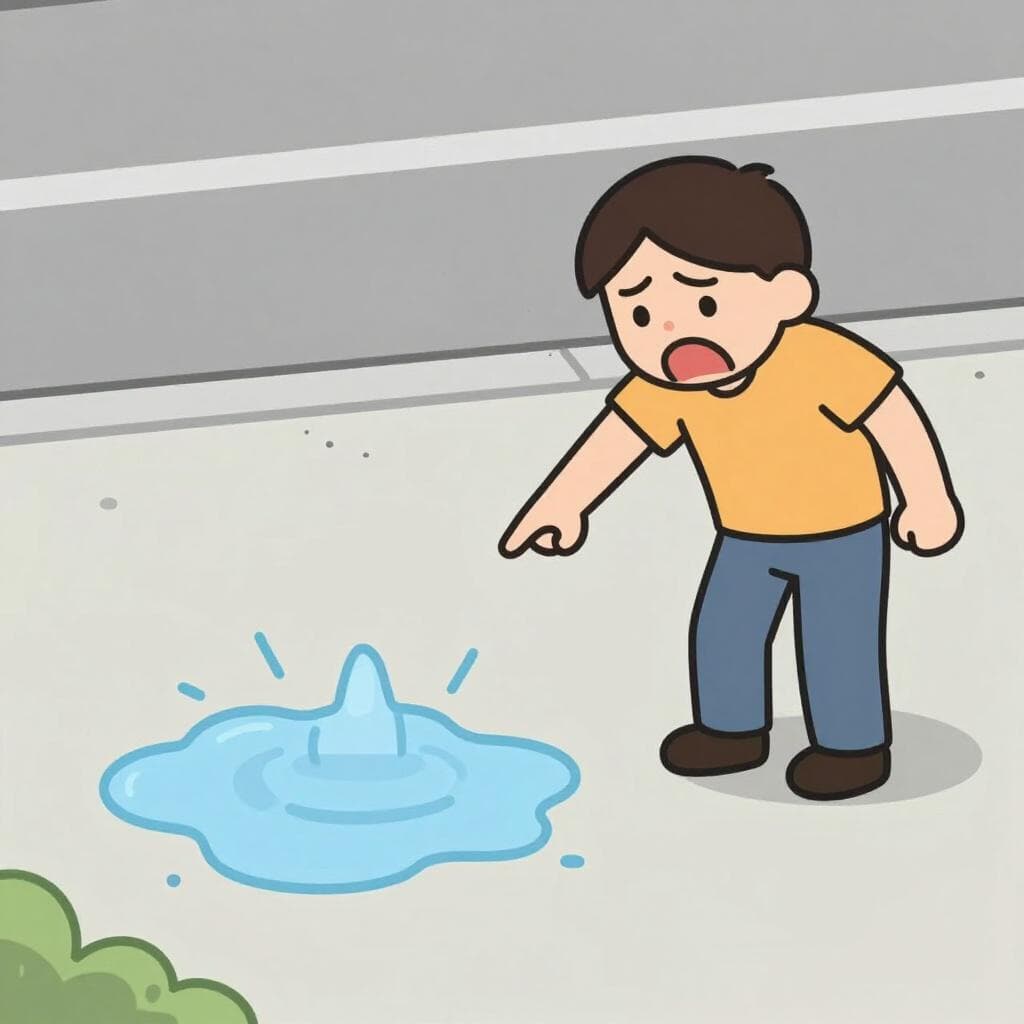
to blow out of proportion
Also: to exaggerate
📝 In Action
No deberías magnificar tus pequeños errores.
B1You shouldn't blow your small mistakes out of proportion.
La prensa suele magnificar los escándalos de los famosos.
B2The press tends to exaggerate the scandals of celebrities.
Si magnificas el problema, te sentirás más estresado.
B2If you magnify the problem, you will feel more stressed.
Subjunctive
Imperfect Subjunctive
Present Subjunctive
Indicative
Preterite
Imperfect
Present
Translate to Spanish
✏️ Quick Practice
Quick Quiz: magnificar
Question 1 of 3
Which sentence uses 'magnificar' to mean optical enlargement?
📚 More Resources
👥 Word Family▼
📚 Etymology▼
From the Latin 'magnificare', which combines 'magnus' (great/large) and 'facere' (to make/do). Literally, 'to make great'.
First recorded: 13th century
Cognates (Related words)
💡 Master Spanish
Take your Spanish to the next level. Read 200+ illustrated and narrated Spanish stories tailored to your level with the Inklingo app!
Frequently Asked Questions
Is 'magnificar' the same as 'exagerar'?
They are very similar when used figuratively! However, 'exagerar' is more common in daily speech, while 'magnificar' sounds a bit more formal or analytical.
Can I use 'magnificar' to mean 'to make something louder'?
No. For sound, you should use 'amplificar' (to amplify) or simply 'subir el volumen' (to turn up the volume).
Does 'magnificar' always imply something is bad?
Not necessarily. While it's often used for problems, you can also magnify something positive, like the beauty of a landscape in a poem, to mean you are highlighting or praising it.