manía
“manía” means “quirk” in Spanish. It has 2 different meanings depending on context:


quirk, obsession
Also: fixation, habit
📝 In Action
Tengo la manía de lavarme las manos cada diez minutos.
B1I have the quirk of washing my hands every ten minutes.
Es una manía tonta, pero no puedo dormir con la puerta abierta.
B1It's a silly obsession, but I can't sleep with the door open.
Su manía por el orden es un poco exagerada.
B2His obsession with order is a bit exaggerated.
grudge, dislike
Also: to have it in for someone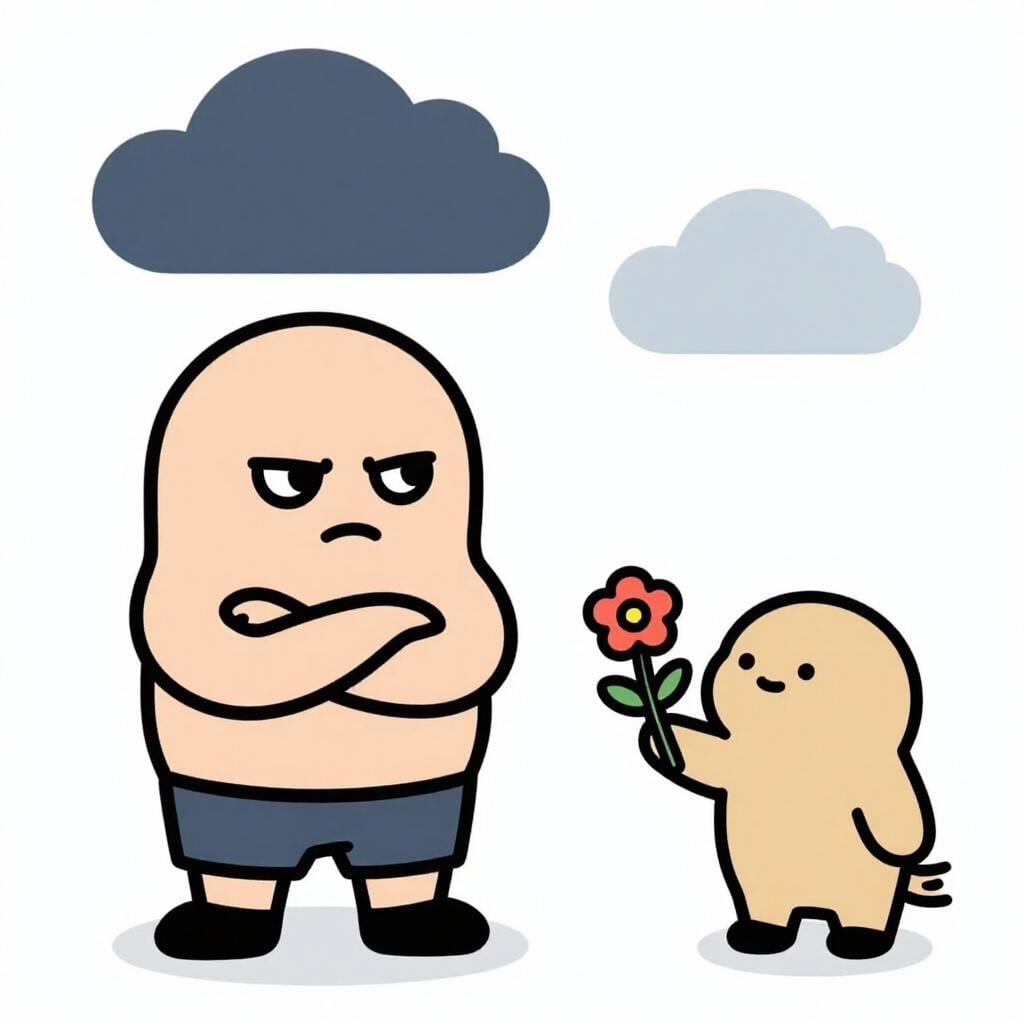
📝 In Action
Creo que el profesor me tiene manía porque siempre me pregunta a mí.
B2I think the teacher has it in for me because he always asks me questions.
Le cogió manía a su vecino después de aquella discusión.
B2She took a dislike to her neighbor after that argument.
No le tengas manía, en el fondo es buena persona.
B2Don't hold a grudge against him, he's a good person deep down.
✏️ Quick Practice
Quick Quiz: manía
Question 1 of 3
If someone says 'Mi jefe me tiene manía,' what do they mean?
📚 More Resources
👥 Word Family▼
🎵 Rhymes▼
📚 Etymology▼
From Ancient Greek 'mania', which means madness or frenzy. While it sounds intense, Spanish speakers softened the meaning over centuries to include everyday quirks.
First recorded: 13th century
Cognates (Related words)
💡 Master Spanish
Take your Spanish to the next level. Read 200+ illustrated and narrated Spanish stories tailored to your level with the Inklingo app!
Frequently Asked Questions
Is 'manía' always a bad thing?
Not necessarily! It often refers to harmless, funny quirks. However, if you say you have 'manía' toward a person, that is always negative.
What is the difference between 'manía' and 'hábito'?
A 'hábito' is just a routine (like brushing your teeth). A 'manía' usually has a slightly obsessive or 'weird' quality to it.
Can I use 'manía' in a medical context?
Yes, doctors use it to describe a state of high energy in bipolar disorder, but in 99% of daily Spanish, it just means a quirk or a grudge.