Inklingo

matarán

/mah-tah-RAHN/

they will kill

Three simple, stylized, colorful figures standing together and looking down at a single, deeply wilted red flower on the ground, representing a future fatal action.

This image shows a fatal outcome, visualizing the meaning "they will kill."

matarán(verb)

B1regular ar

they will kill

?

future action, 3rd person plural

,

you will kill

?

future action, formal plural (ustedes)

Also:

they will destroy

?

figurative destruction

📝 In Action

Si el veneno es fuerte, matarán a las plagas en pocas horas.

B1

If the poison is strong, they will kill the pests in a few hours.

Las leyes nuevas matarán la industria si no se cambian.

B2

The new laws will kill the industry if they are not changed. (Figurative)

¿Crees que los mosquitos nos matarán si acampamos aquí?

B1

Do you think the mosquitoes will kill us if we camp here? (Exaggeration/Joke)

Word Connections

Synonyms

  • asesinar (to murder)
  • ejecutar (to execute)

Antonyms

Common Collocations

  • matarán el tiempothey will kill time
  • matarán de risathey will kill with laughter (make someone laugh hard)

💡 Grammar Points

The Simple Future Tense

This form, 'matarán', tells you that the action (killing) will definitely happen later. It's built by adding the ending '-án' directly to the full verb 'matar'.

Who is Doing the Action?

The '-án' ending means the action is being done by 'ellos' (they, masculine/mixed), 'ellas' (they, feminine), or 'ustedes' (you, plural/formal).

❌ Common Pitfalls

Confusing Future and Preterite

Mistake: "Using 'mataron' when you mean 'matarán'."

Correction: 'Mataron' means 'they killed' (past action). 'Matarán' means 'they will kill' (future action). Pay attention to the accent mark on the 'a' in the future tense!

⭐ Usage Tips

Using the Future for Probability

Sometimes the future tense expresses probability in the present. For example, '¿Quién matará al dragón?' could mean 'I wonder who is killing the dragon right now?' (Though less common with 'matarán').

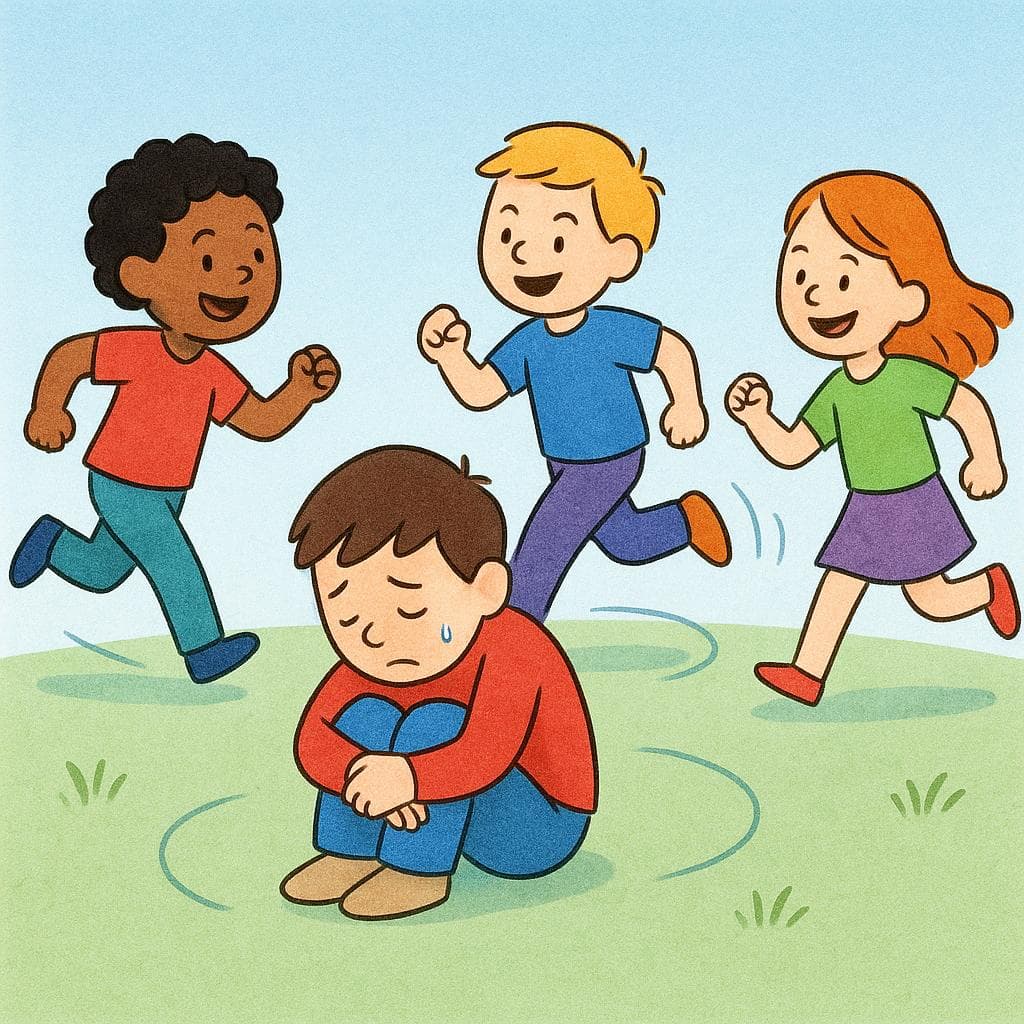
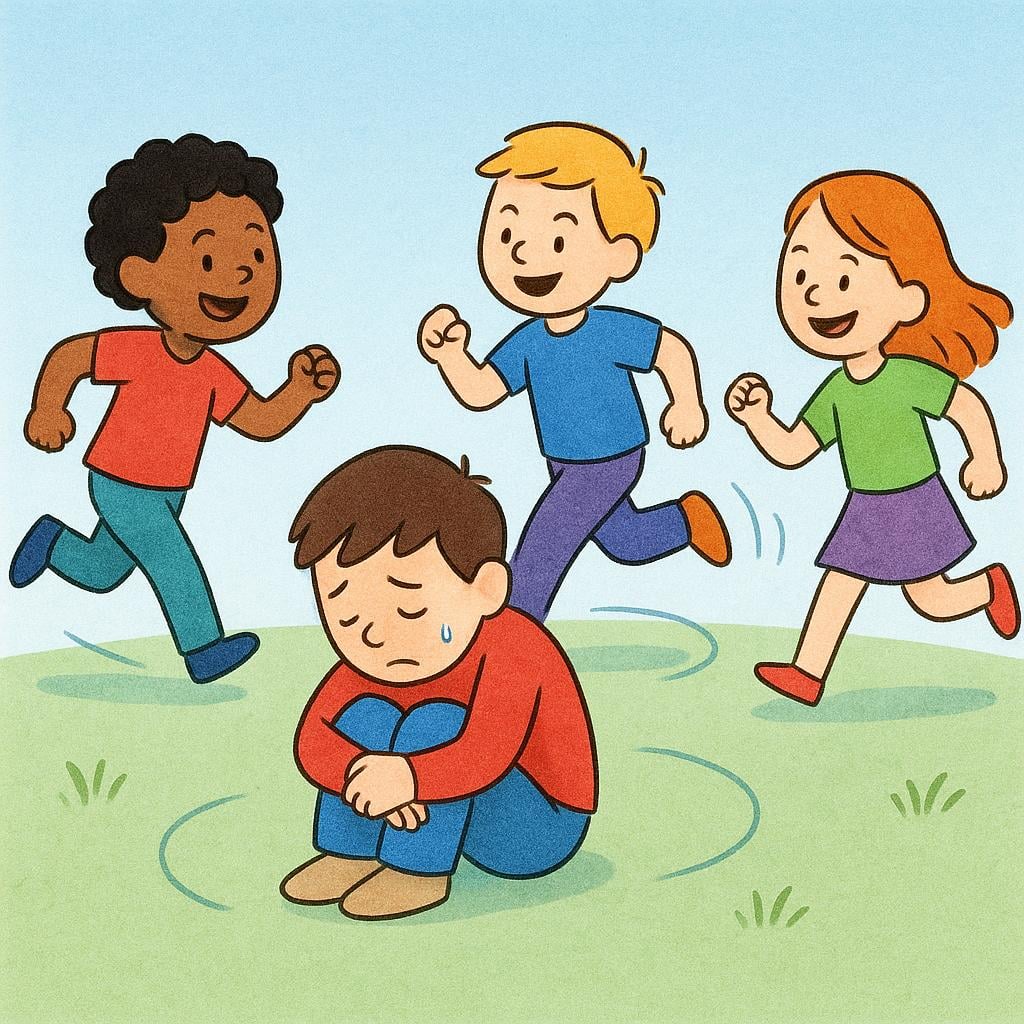
Three cheerful, energetic figures running circles around a single, slumped, visibly exhausted figure sitting on the ground with sweat drops.

The energetic figures exhausting the slumped figure illustrates the meaning "they will wear out" (to exhaust someone physically).

matarán(verb)

B2regular ar

they will wear out

?

to exhaust someone physically

,

they will bore to death

?

to cause extreme boredom

📝 In Action

Estas reuniones largas nos matarán, ¡son interminables!

B2

These long meetings will kill us (wear us out), they are endless!

Los trámites burocráticos matarán a cualquier emprendedor.

C1

The bureaucratic procedures will kill (discourage/exhaust) any entrepreneur.

Word Connections

Synonyms

  • agotar (to exhaust)
  • cansar (to tire)

💡 Grammar Points

Figurative Use

In this sense, 'matarán' doesn't mean literal death, but rather extreme negative impact, usually fatigue or frustration. Think of it as 'They will be the death of us!'

🔄 Conjugations

indicative

present

él/ella/ustedmata
yomato
matas
ellos/ellas/ustedesmatan
nosotrosmatamos
vosotrosmatáis

imperfect

él/ella/ustedmataba
yomataba
matabas
ellos/ellas/ustedesmataban
nosotrosmatábamos
vosotrosmatabais

preterite

él/ella/ustedmató
yomaté
mataste
ellos/ellas/ustedesmataron
nosotrosmatamos
vosotrosmatasteis

subjunctive

present

él/ella/ustedmate
yomate
mates
ellos/ellas/ustedesmaten
nosotrosmatemos
vosotrosmatéis

imperfect

él/ella/ustedmatara
yomatara
mataras
ellos/ellas/ustedesmataran
nosotrosmatáramos
vosotrosmatarais

✏️ Quick Practice

💡 Quick Quiz: matarán

Question 1 of 2

Which sentence uses 'matarán' correctly in the future tense?

📚 More Resources

Word Family

matar(to kill) - verb

Frequently Asked Questions

Is 'matarán' the same as 'mataron'?

No! They look similar but are completely different. 'Matarán' (with the accent on the last syllable) means 'they WILL kill' (future). 'Mataron' (accent on the first 'a' of the ending) means 'they KILLED' (past).

How do I say 'We will kill'?

You would use 'mataremos'. The '-emos' ending is used for 'nosotros' (we) in the future tense.