mismas
“mismas” means “same” in Spanish. It has 2 different meanings depending on context:
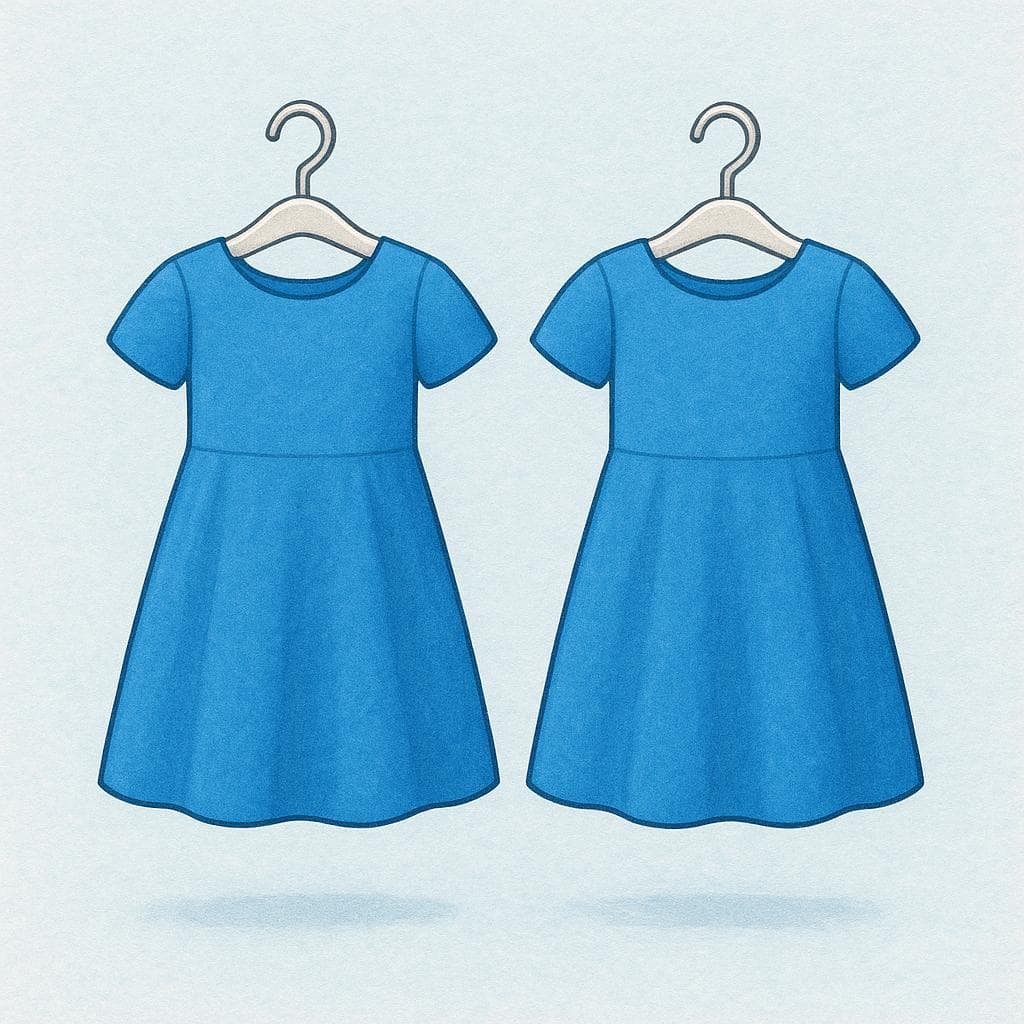
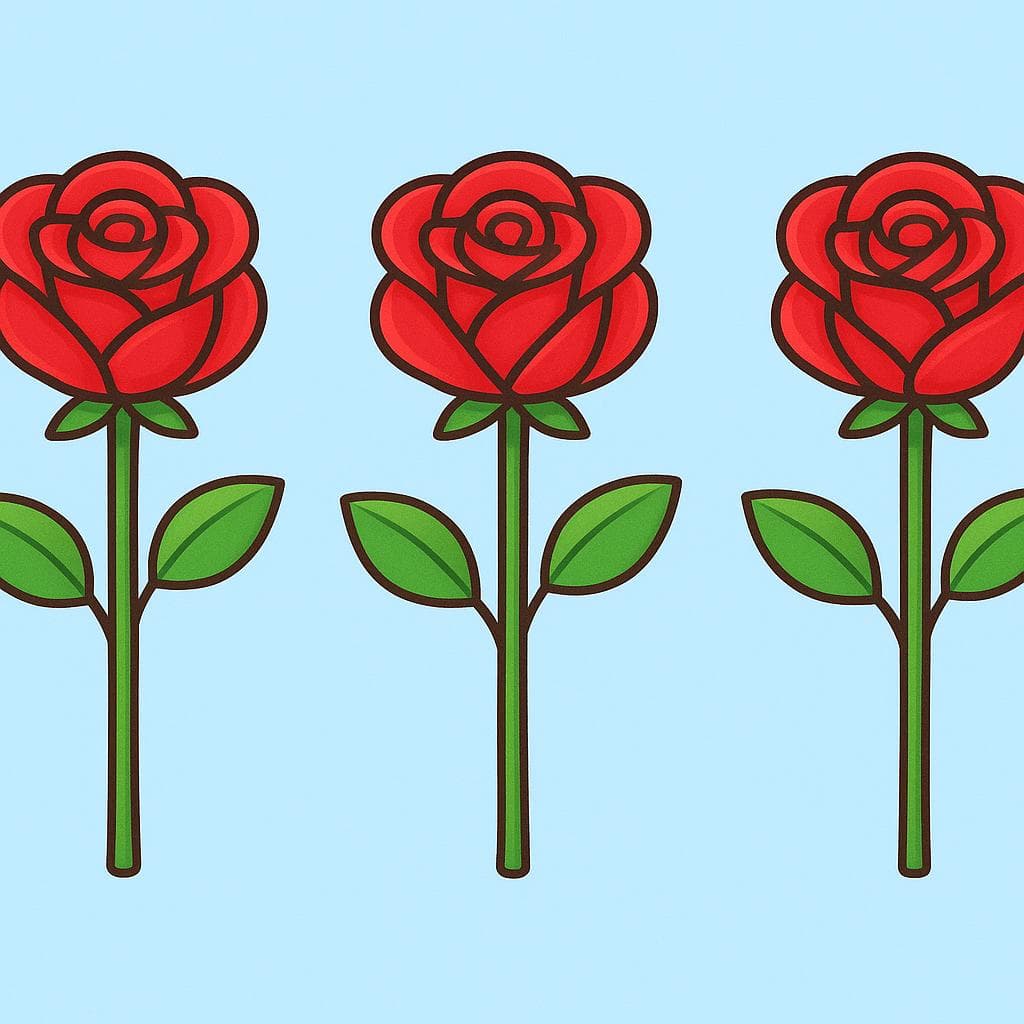
same, very (emphasizing the noun)
Also: identical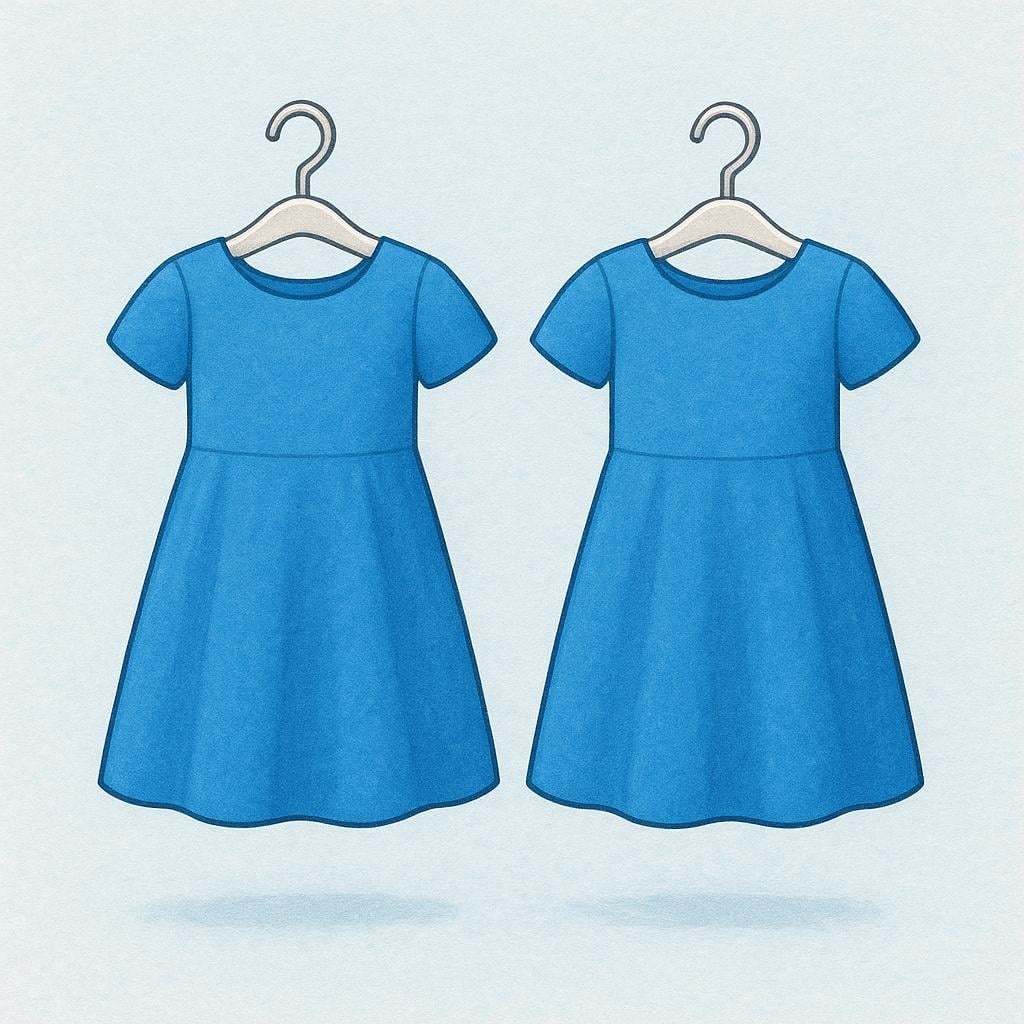
📝 In Action
Siempre compramos las mismas marcas de ropa.
A1We always buy the same brands of clothing.
Recibimos las mismas excusas de siempre.
A2We received the usual (same old) excuses.
Las mismas palabras que me dijiste ayer.
B1The very words you told me yesterday.
the same ones, themselves
Also: the actual ones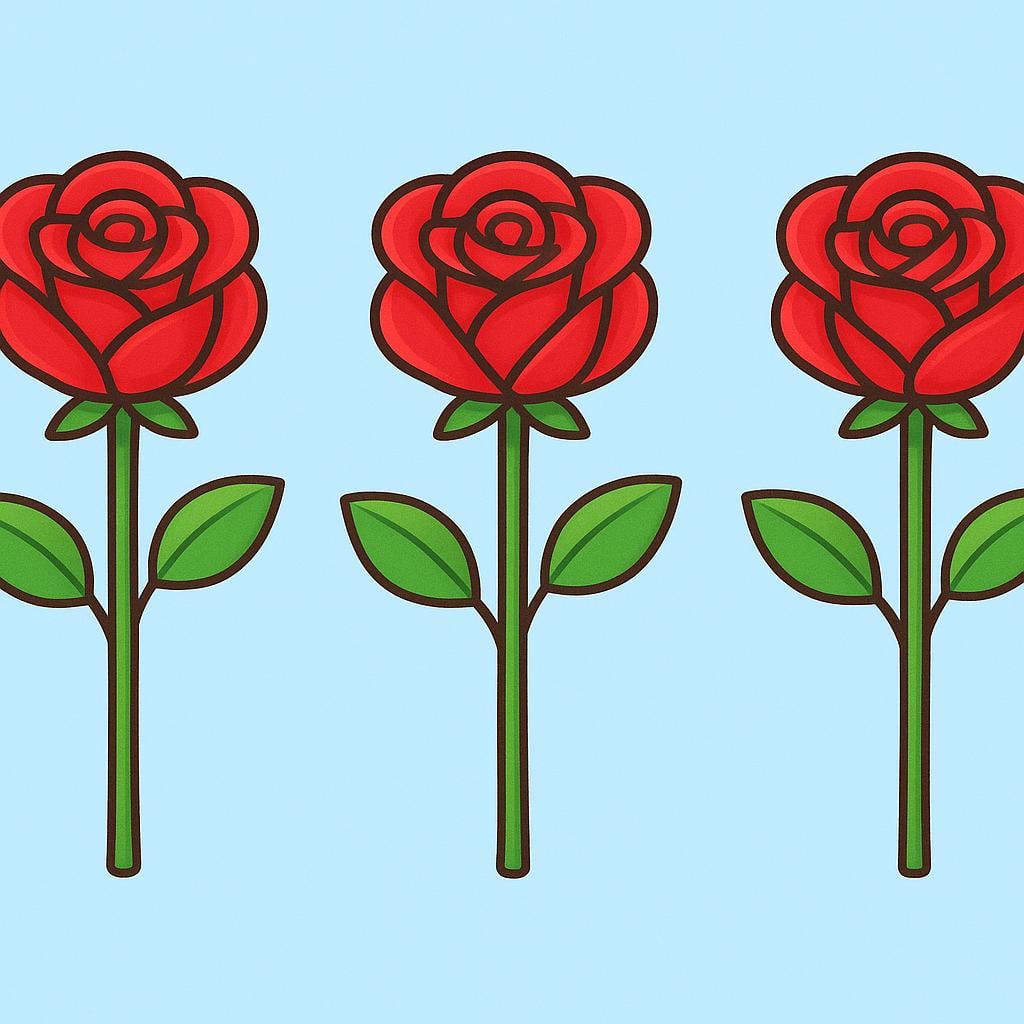
📝 In Action
No quiero estas sillas, quiero las mismas que vimos ayer.
B1I don't want these chairs, I want the same ones we saw yesterday.
Las niñas hicieron las galletas ellas mismas.
B2The girls made the cookies themselves (on their own).
Las respuestas llegaron en las mismas.
C1The answers arrived in the same ones (referring, perhaps, to 'sobres'—envelopes).
Translate to Spanish
✏️ Quick Practice
Quick Quiz: mismas
Question 1 of 2
Which sentence uses 'mismas' as an adjective?
📚 More Resources
👥 Word Family▼
🎵 Rhymes▼
📚 Etymology▼
Comes from the Old Spanish word 'mesmo,' which evolved from the Latin phrase *metipsimus*, meaning 'very self' or 'the most self.' This origin is why it carries both the meaning of 'sameness' and 'emphasis.'
First recorded: Around the 10th century
Cognates (Related words)
💡 Master Spanish
Take your Spanish to the next level. Read 200+ illustrated and narrated Spanish stories tailored to your level with the Inklingo app!
Frequently Asked Questions
What is the difference between 'mismas' and 'iguales'?
'Mismas' usually emphasizes that two things are *identical* or *one and the same* ('We read the same books'). 'Iguales' means they are similar or equal in quality ('These books are equal in quality'). They are often interchangeable, but 'mismas' is stronger for identity.
Why does 'mismas' require 'las' in front of it most of the time?
When 'mismas' means 'the same,' it acts like a regular adjective that needs the definite article 'las' to tell you which specific group of things you are talking about (the specific, same group). 'Las' is required because 'mismas' is defining a specific group.