muñecas
“muñecas” means “dolls” in Spanish. It has 2 different meanings depending on context:


dollsAlso: puppets

📝 In Action
Mi hermana pequeña tiene muchas muñecas en su cuarto.
A1My little sister has many dolls in her room.
Las muñecas de porcelana son muy frágiles.
B1Porcelain dolls are very fragile.
Word Connections
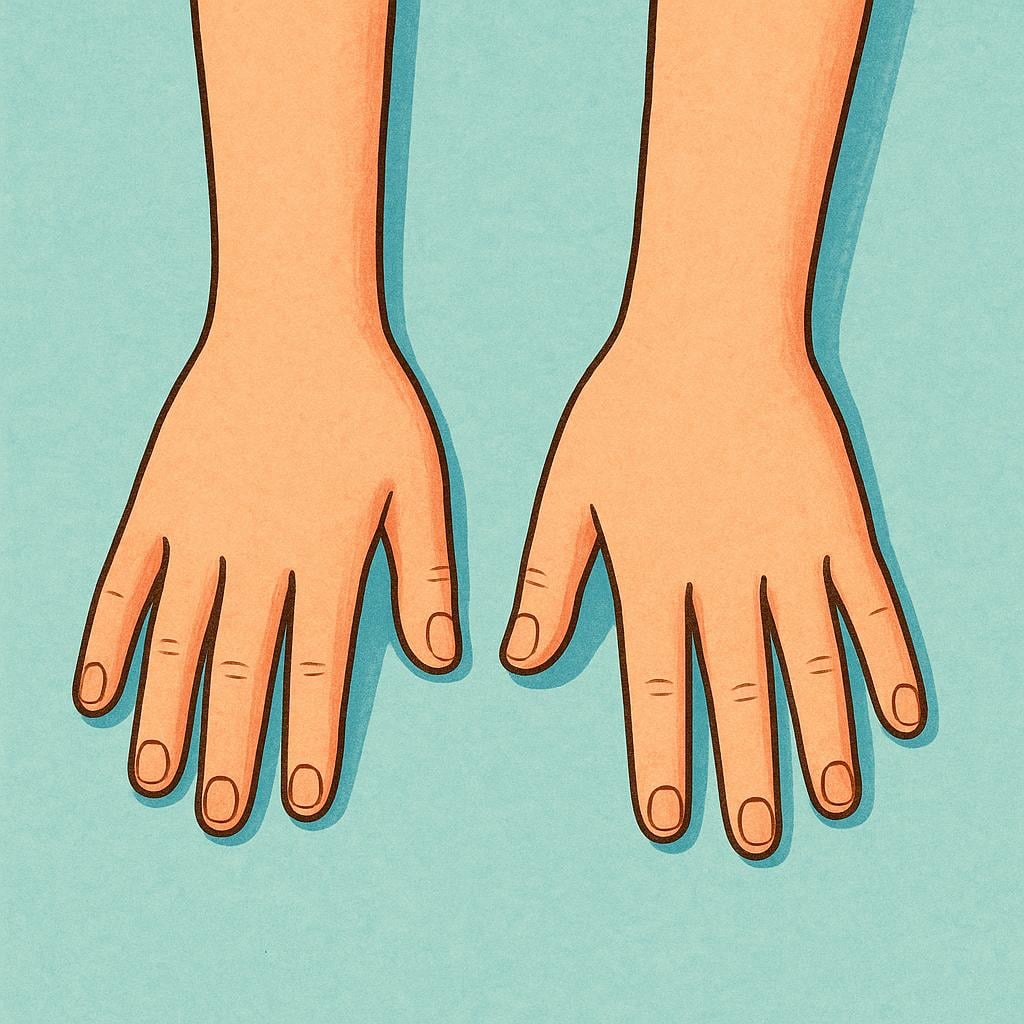
wristsAlso: cuffs
📝 In Action
Me duelen las muñecas después de usar el ratón todo el día.
A2My wrists hurt after using the mouse all day.
Ella siempre lleva pulseras de plata en ambas muñecas.
B1She always wears silver bracelets on both wrists.
El doctor examinó mis muñecas para ver si estaban rotas.
B2The doctor examined my wrists to see if they were broken.
Word Connections
✏️ Quick Practice
Quick Quiz: muñecas
Question 1 of 1
Which sentence correctly uses 'muñecas' to refer to a piece of jewelry?
📚 More Resources
👥 Word Family
🎵 Rhymes
📚 Etymology
The word 'muñeca' (and its plural 'muñecas') comes from the root word *moño* (meaning 'a knot' or 'a bow'). It referred to the small figure or knot of hair on a doll. Over time, it was also applied to the joint in the arm, likely because of its small, knot-like appearance where the hand connects to the arm.
First recorded: 15th century
Cognates (Related words)
💡 Master Spanish
Take your Spanish to the next level. Read 200+ illustrated and narrated Spanish stories tailored to your level with the Inklingo app!
Frequently Asked Questions
How do I know if 'muñecas' means 'dolls' or 'wrists'?
You must rely on context! If the sentence talks about playing, toys, or bedrooms, it means 'dolls'. If it talks about pain, movement, jewelry, or arms, it means 'wrists'. Example: 'Me duelen las muñecas' (Wrists hurt) vs. 'Me gustan las muñecas' (I like dolls).