mírate
“mírate” means “look at yourself” in Spanish. It has 2 different meanings depending on context:
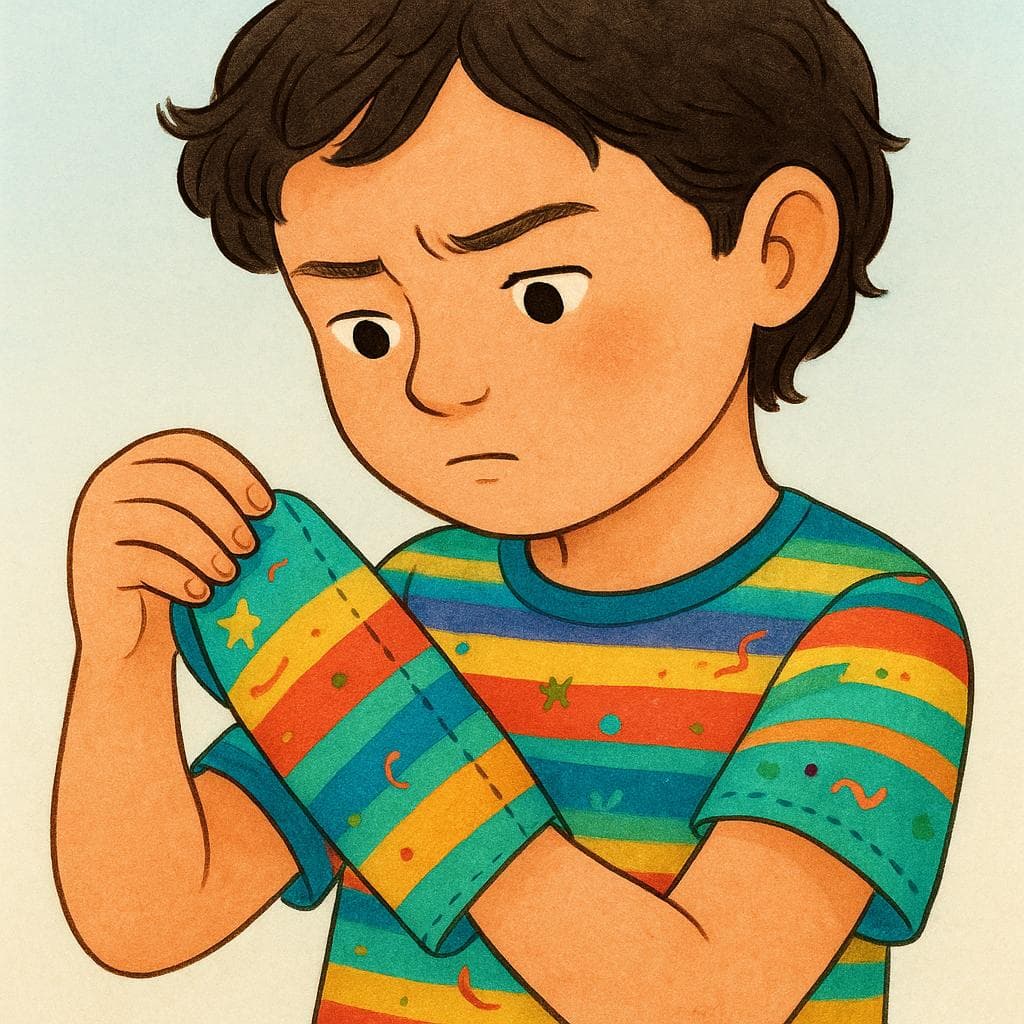

look at yourself
Also: see yourself, take a look at yourself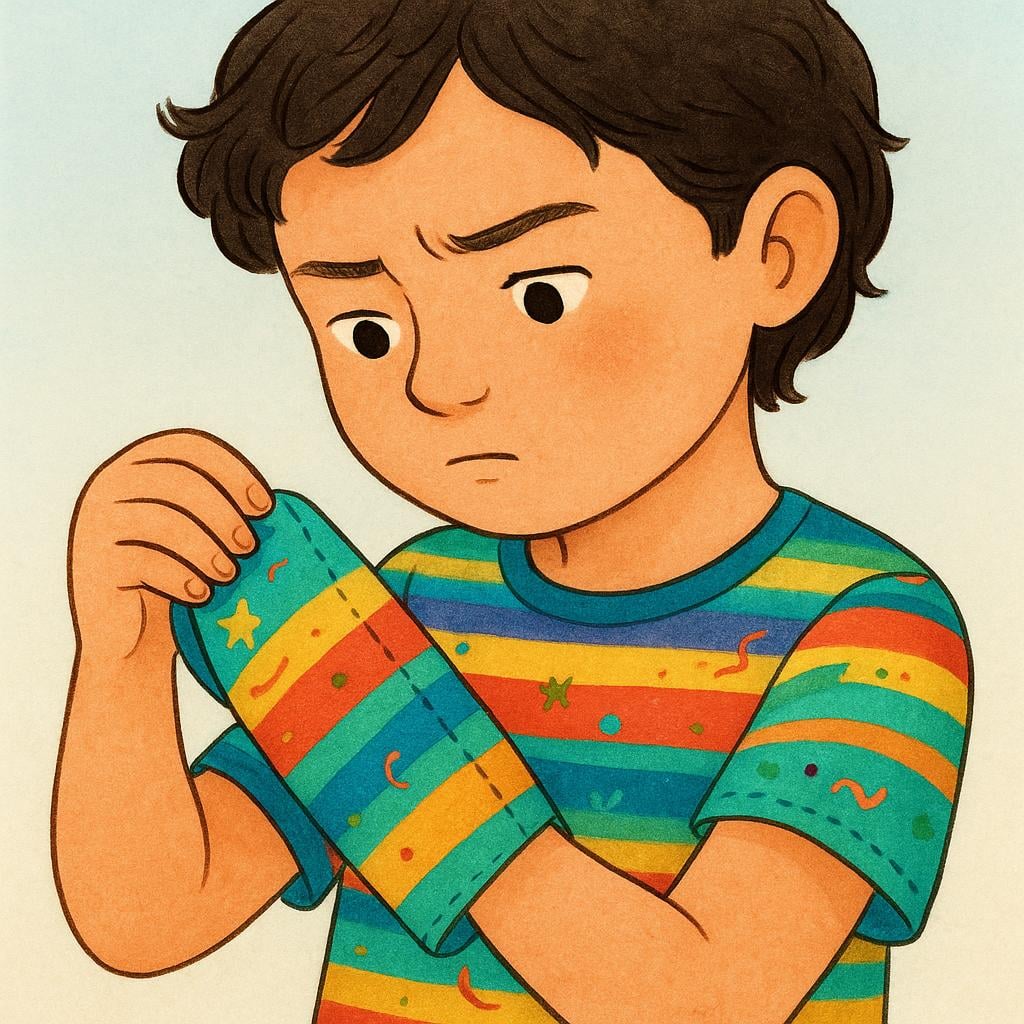
📝 In Action
Mírate en el espejo, tienes algo en el pelo.
A1Look at yourself in the mirror, you have something in your hair.
¡Mírate! Estás empapado por la lluvia.
A2Look at yourself! You are soaking wet from the rain.
Antes de culpar a otros, mírate a ti mismo.
B1Before blaming others, look at yourself.
Wow!
Also: Hey!, Check it out!
📝 In Action
¡Mírate! Has terminado la carrera en primer lugar.
B1Wow! You finished the race in first place.
Mírate con ese traje nuevo, ¡estás genial!
B2Check you out in that new suit, you look great!
🔄 Conjugations
indicative
present
imperfect
preterite
subjunctive
present
imperfect
Translate to Spanish
Words that translate to "mírate" in Spanish:
see yourself→✏️ Quick Practice
Quick Quiz: mírate
Question 1 of 1
Which sentence uses 'mírate' to express surprise or admiration?
📚 More Resources
👥 Word Family▼
🎵 Rhymes▼
📚 Etymology▼
A composite word. It comes from the verb 'mira' (the informal command form of the verb 'mirar', meaning 'to look,' which itself comes from the Vulgar Latin *mirare*) and the reflexive pronoun 'te' (meaning 'yourself').
First recorded: Medieval Spanish (The verb 'mirar' is attested early, and the structure of attaching pronouns to commands is ancient.)
Cognates (Related words)
💡 Master Spanish
Take your Spanish to the next level. Read 200+ illustrated and narrated Spanish stories tailored to your level with the Inklingo app!
Frequently Asked Questions
Why does 'mírate' have an accent mark on the 'i'?
The accent mark is there to keep the stress on the first syllable, 'mí'. The original command 'mira' is stressed there, and when you attach the pronoun 'te', Spanish rules require the accent to preserve that original sound.
Can I use 'mírate' to tell someone to look at something else, not themselves?
No. Because 'mírate' includes the reflexive pronoun 'te' (yourself), it must involve looking at the person being addressed. If you want to say 'Look (at that thing)!' you would just say '¡Mira!' or '¡Mira eso!'