nace
“nace” means “is born” in Spanish. It has 2 different meanings depending on context:
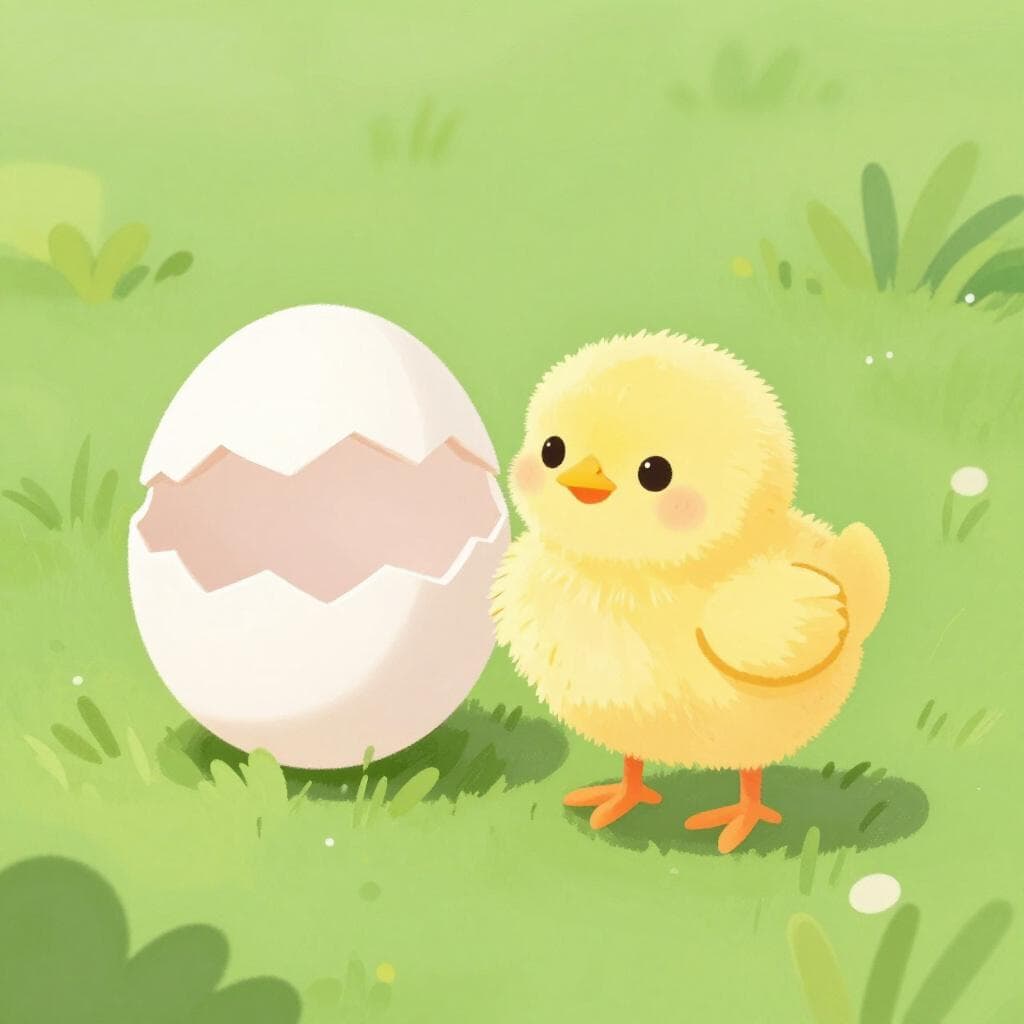

is bornAlso: is being born

📝 In Action
El bebé nace en primavera.
A1The baby is born in spring.
Hoy nace el hijo de mi mejor amiga.
A1My best friend's son is being born today.
Word Connections
starts, sproutsAlso: originates

📝 In Action
El río nace en las montañas del norte.
A2The river starts in the northern mountains.
Una nueva flor nace en mi jardín.
A2A new flower is sprouting in my garden.
Su pasión por la música nace de su abuela.
B1Her passion for music comes from (originates from) her grandmother.
Word Connections
Subjunctive
Imperfect Subjunctive
Present Subjunctive
Indicative
Preterite
Imperfect
Present
Translate to Spanish
Words that translate to "nace" in Spanish:
✏️ Quick Practice
Quick Quiz: nace
Question 1 of 2
Which sentence correctly says 'The river starts here'?
📚 More Resources
👥 Word Family
🎵 Rhymes
📚 Etymology
From the Latin word 'nascere', which means to be born. It shares the same roots as the English word 'nascent'.
First recorded: 12th century
Cognates (Related words)
💡 Master Spanish
Take your Spanish to the next level. Read 200+ illustrated and narrated Spanish stories tailored to your level with the Inklingo app!
Frequently Asked Questions
Is 'nace' the same as 'born' in English?
Not exactly. In English, 'born' is usually part of 'to be born.' In Spanish, 'nace' is the action itself. 'Nace' means 'is born' all by itself.
Can I use 'nace' for plants?
Yes! When a seed sprouts or a new flower appears, you can say 'la planta nace'.