niña
“niña” means “girl” in Spanish. It has 2 different meanings depending on context:
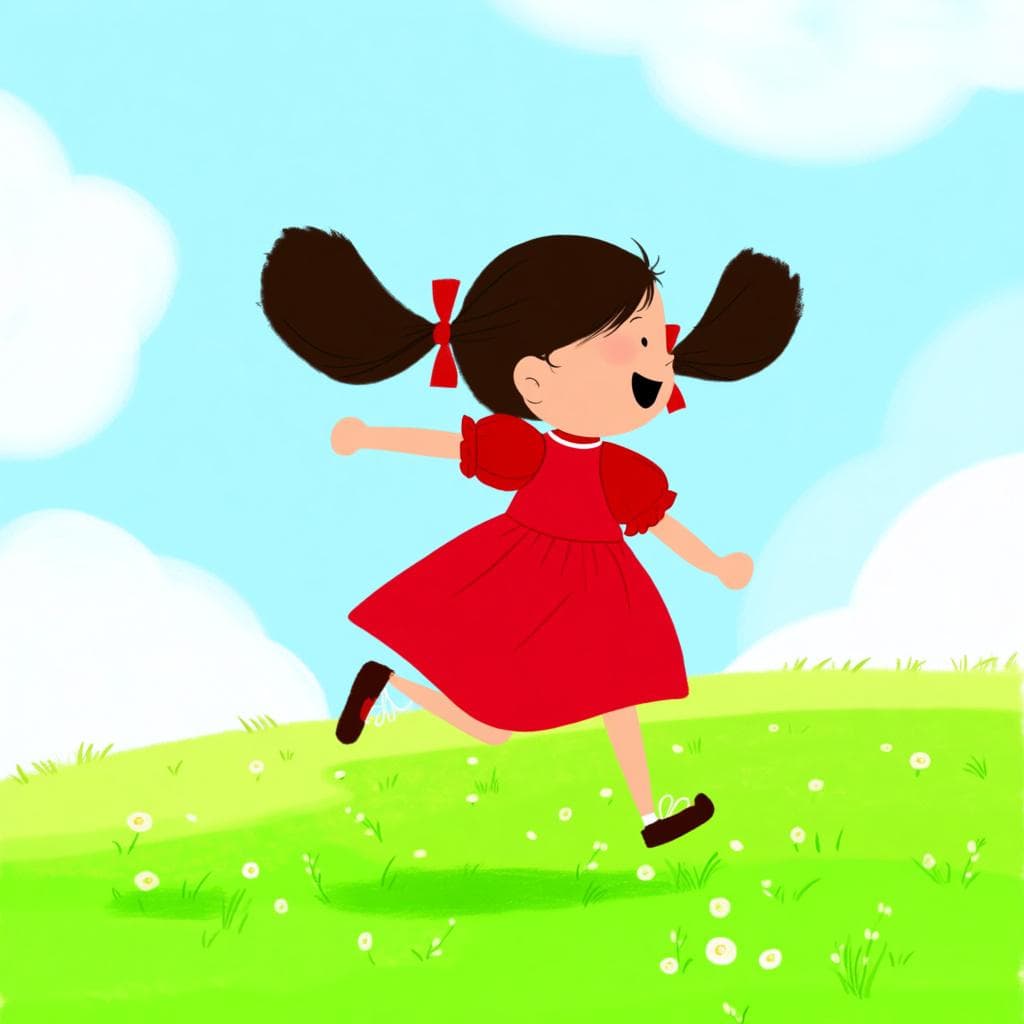

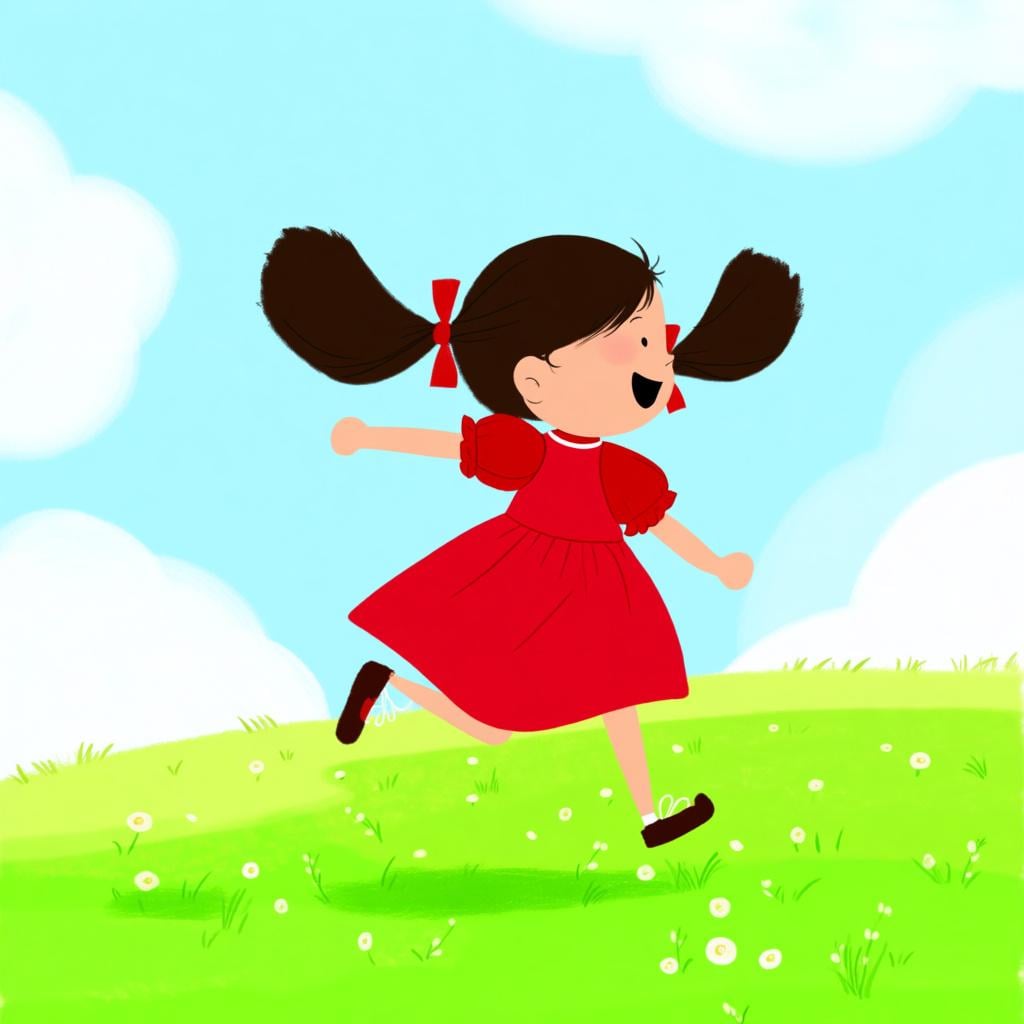
girlAlso: child, daughter
📝 In Action
La niña juega con su muñeca.
A1The girl plays with her doll.
Mi hermana tiene una niña y un niño.
A1My sister has a girl and a boy.
Cuando era niña, vivía en el campo.
A2When I was a girl, I lived in the countryside.
Word Connections
girlAlso: girlfriend

📝 In Action
Hola, niña, ¿qué tal el trabajo hoy?
B1Hey girl, how was work today?
Mi niña, te preparé tu comida favorita.
B1My darling, I made you your favorite food.
Word Connections
✏️ Quick Practice
Quick Quiz: niña
Question 1 of 1
Which sentence is the most appropriate way to talk about a 10-year-old female child?
📚 More Resources
👥 Word Family
🎵 Rhymes
📚 Etymology
From Vulgar Latin '*ninnus*', meaning 'child'. The word is thought to be 'onomatopoeic', meaning it was created to imitate the sounds a baby makes, much like 'baba' or 'dada' in English.
First recorded: Around the 13th century.
Cognates (Related words)
💡 Master Spanish
Take your Spanish to the next level. Read 200+ illustrated and narrated Spanish stories tailored to your level with the Inklingo app!
Frequently Asked Questions
What is the difference between 'niña', 'chica', and 'muchacha'?
Think of it in terms of age. 'Niña' is for a child (roughly 0-12 years). 'Chica' is very flexible but often means a teenager or young woman (13-25). 'Muchacha' is similar to 'chica', maybe slightly more formal or traditional depending on the region. When in doubt for a young person, 'chica' is often a safe bet.
Can I call my adult daughter 'mi niña'?
Yes, absolutely! It's a very common and loving term of endearment for parents to use for their children, no matter how old they are. It's similar to an English speaker calling their grown daughter 'my baby girl'.