nomás
“nomás” means “only / just” in Spanish. It has 3 different meanings depending on context:


only / justAlso: simply

📝 In Action
Vine por dos días nomás.
A2I came for only two days.
Dime nomás qué necesitas.
B1Just tell me what you need.
Word Connections
go ahead / right
📝 In Action
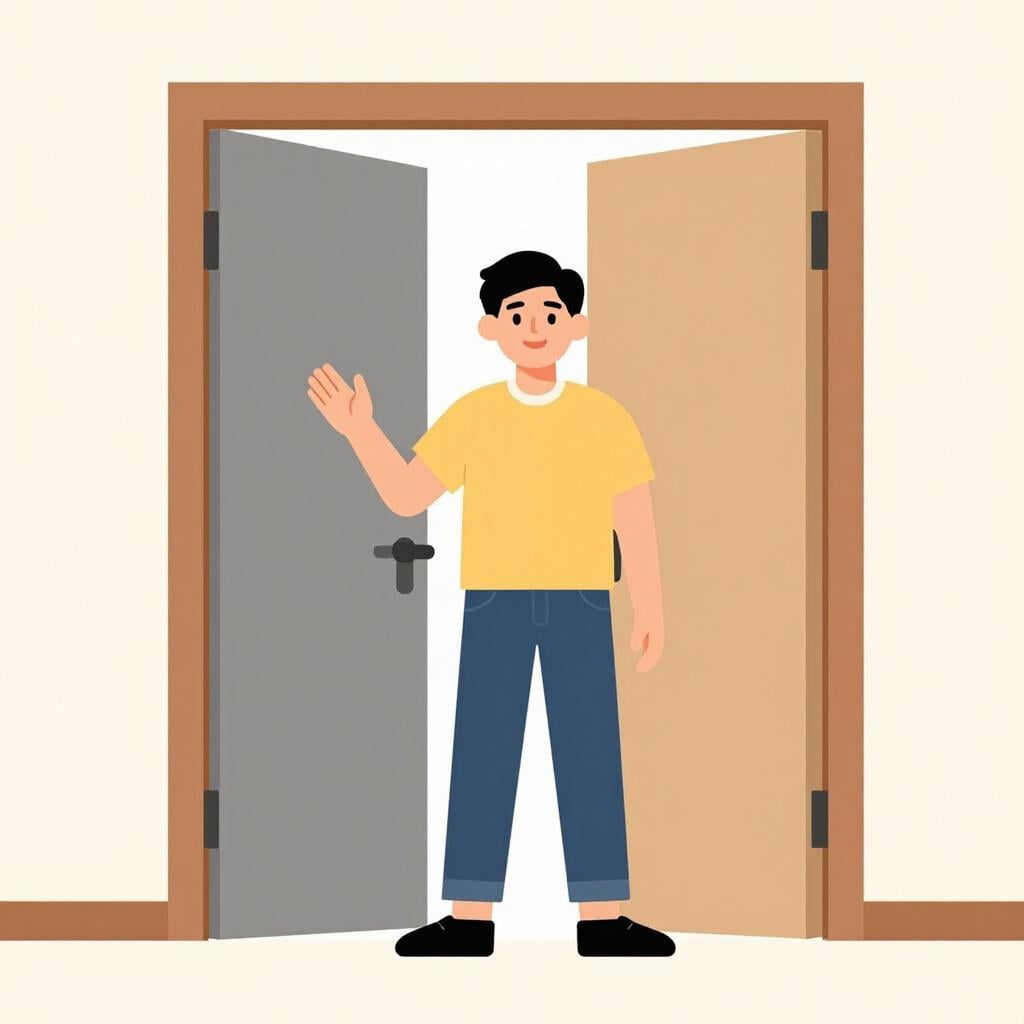
Pase nomás, la puerta está abierta.
B1Go right in, the door is open.
Siéntate nomás, el café ya casi está listo.
B1Go ahead and sit down, the coffee is almost ready.
as soon as / the moment

📝 In Action
Nomás llegar a casa, se puso a cocinar.
B2As soon as he got home, he started cooking.
Nomás lo vio, supo que algo andaba mal.
B2The moment she saw him, she knew something was wrong.
✏️ Quick Practice
Quick Quiz: nomás
Question 1 of 2
What does 'Pase nomás' most likely mean?
📚 More Resources
👥 Word Family
🎵 Rhymes
📚 Etymology
A contraction of the phrase 'no más,' which literally means 'no more.' Over time, it evolved into a single word in many Spanish-speaking regions to express limits or immediacy.
First recorded: 16th century
Cognates (Related words)
💡 Master Spanish
Take your Spanish to the next level. Read 200+ illustrated and narrated Spanish stories tailored to your level with the Inklingo app!
Frequently Asked Questions
Is 'nomás' one word or two?
It can be written as one word ('nomás') or two ('no más'). When written as one word, it usually acts as the adverb meaning 'only' or 'just.' When written as two, it often literally means 'no more' (e.g., 'No más café, gracias').
Is 'nomás' considered slang?
It is not exactly slang, but it is very informal. You will hear it in everyday conversations, movies, and songs, but you might avoid it in a formal academic essay.