oídos
“oídos” means “ears” in Spanish. It has 2 different meanings depending on context:

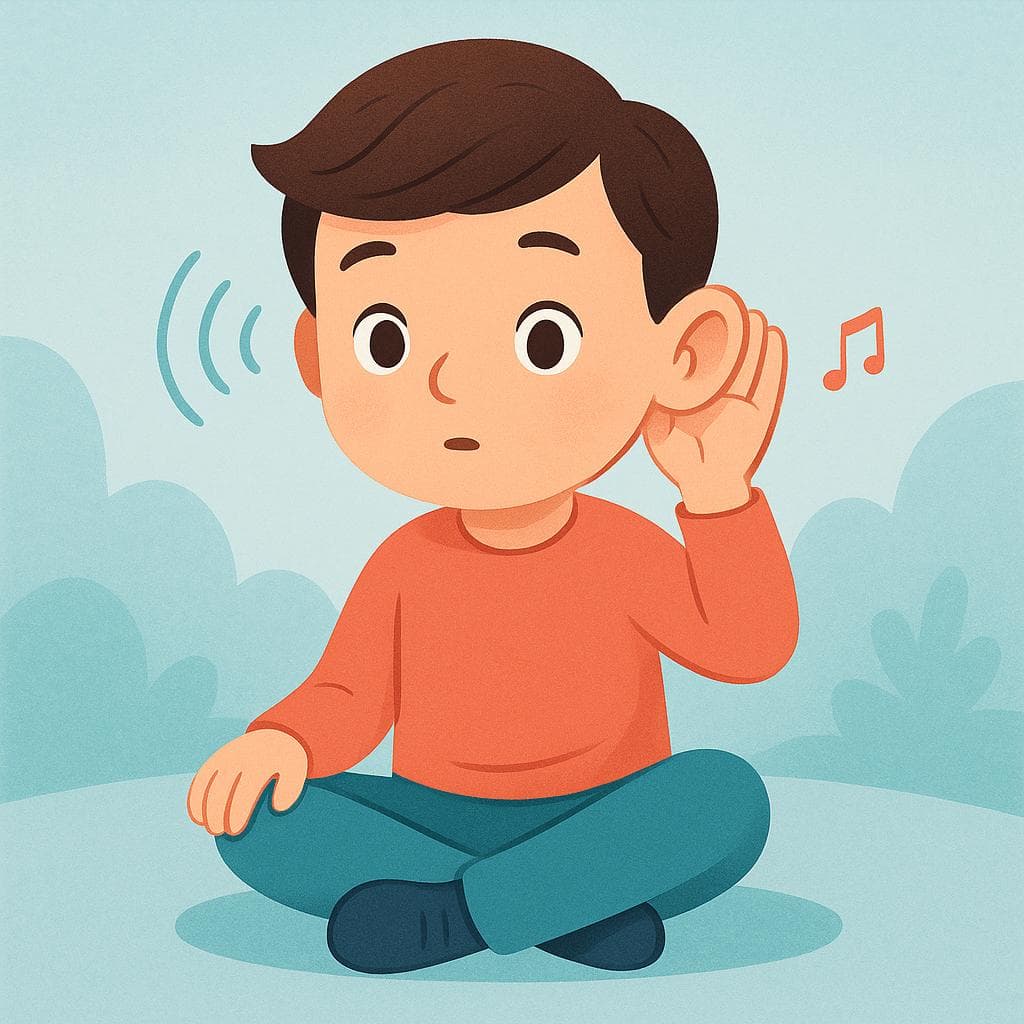
ears
Also: sense of hearing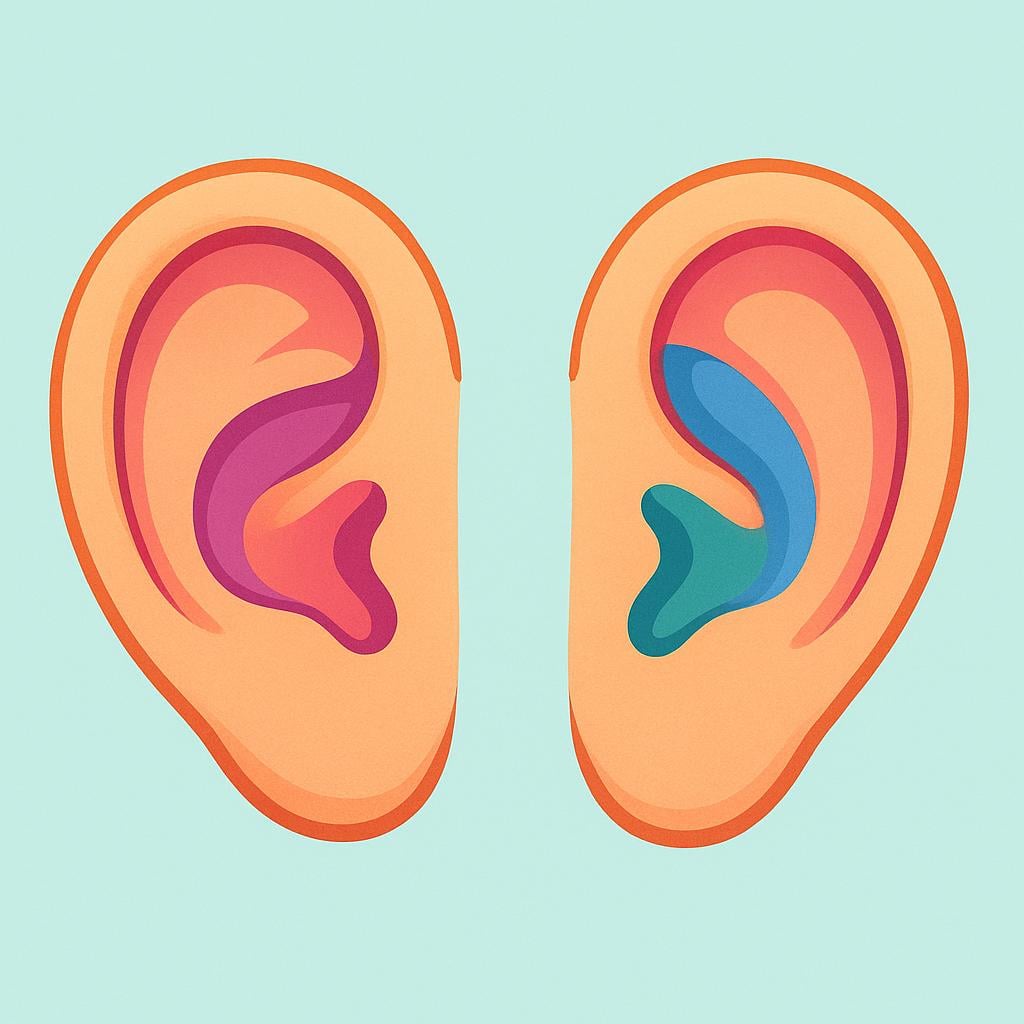
📝 In Action
Me duelen mucho los oídos cuando el avión despega.
A1My ears hurt a lot when the plane takes off.
Tengo que ir al médico para que me revise los oídos.
A2I have to go to the doctor so he can check my ears.
Se puso tapones en los oídos para no escuchar el ruido.
A1He put earplugs in his ears so he wouldn't hear the noise.
attention
Also: confidentiality
📝 In Action
Hizo oídos sordos a mis advertencias y tuvo un accidente.
B2He turned a deaf ear to my warnings and had an accident.
La noticia llegó a oídos del jefe rápidamente.
B1The news quickly reached the boss's attention (literally: ears).
Necesito que me prestes tus oídos por un momento.
B1I need you to lend me your attention/listen for a moment.
✏️ Quick Practice
Quick Quiz: oídos
Question 1 of 2
Which sentence uses 'oídos' in its figurative meaning (attention/ignoring)?
📚 More Resources
👥 Word Family▼
🎵 Rhymes▼
📚 Etymology▼
Comes from the Latin word *auditus*, meaning 'the act of hearing' or 'the sense of hearing.' It is directly related to the verb *audire* (to hear).
First recorded: 10th century
Cognates (Related words)
💡 Master Spanish
Take your Spanish to the next level. Read 200+ illustrated and narrated Spanish stories tailored to your level with the Inklingo app!
Frequently Asked Questions
What is the difference between 'oídos' and 'orejas'?
'Oídos' refers to the internal organ and the sense of hearing itself. 'Orejas' refers specifically to the external, visible flaps of skin on the side of your head. Think of 'oídos' when talking about hearing, pain, or attention, and 'orejas' when talking about appearance or jewelry.
Can 'oídos' be used to mean the past participle of the verb 'oír'?
Yes, 'oídos' is the masculine plural past participle of 'oír' (to hear). It is used in compound tenses (e.g., 'han sido oídos') or as an adjective describing things that have been heard.