obstáculo
“obstáculo” means “hurdle” in Spanish. It has 2 different meanings depending on context:
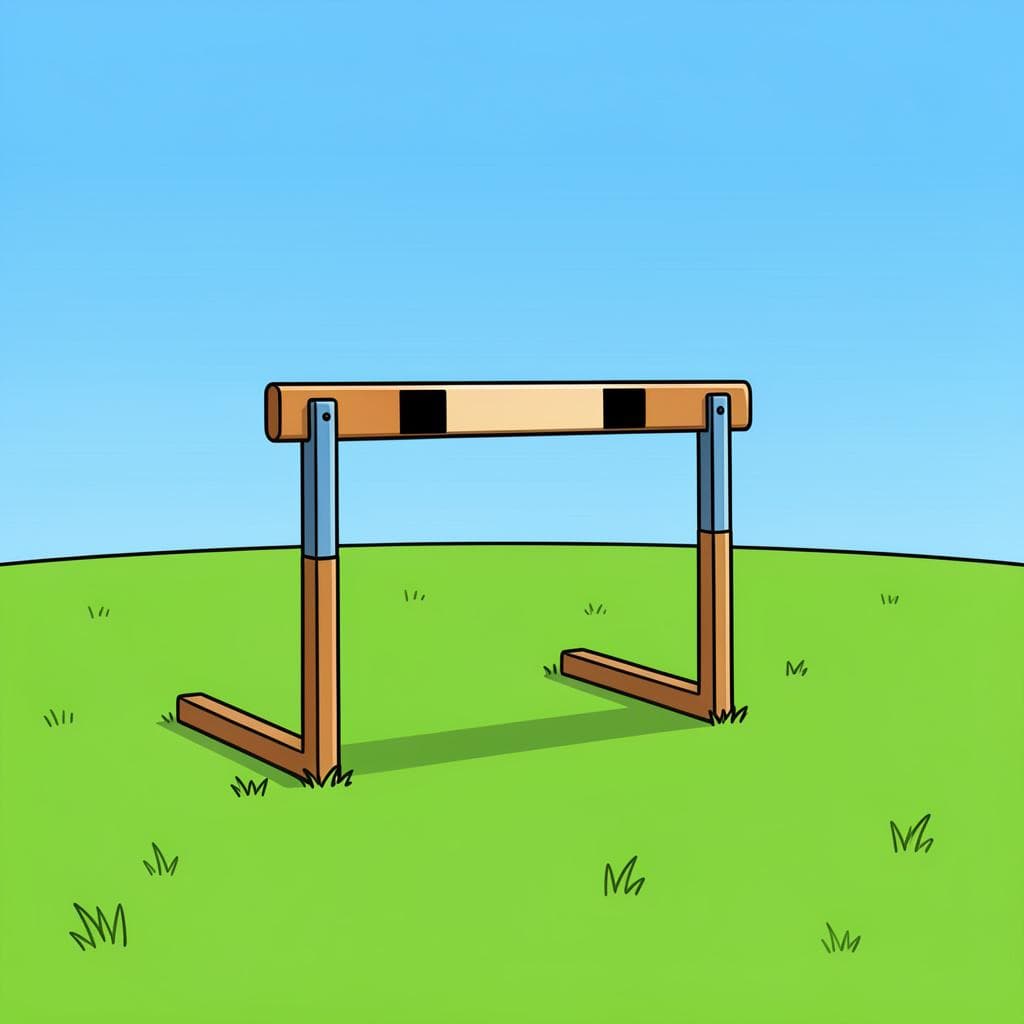

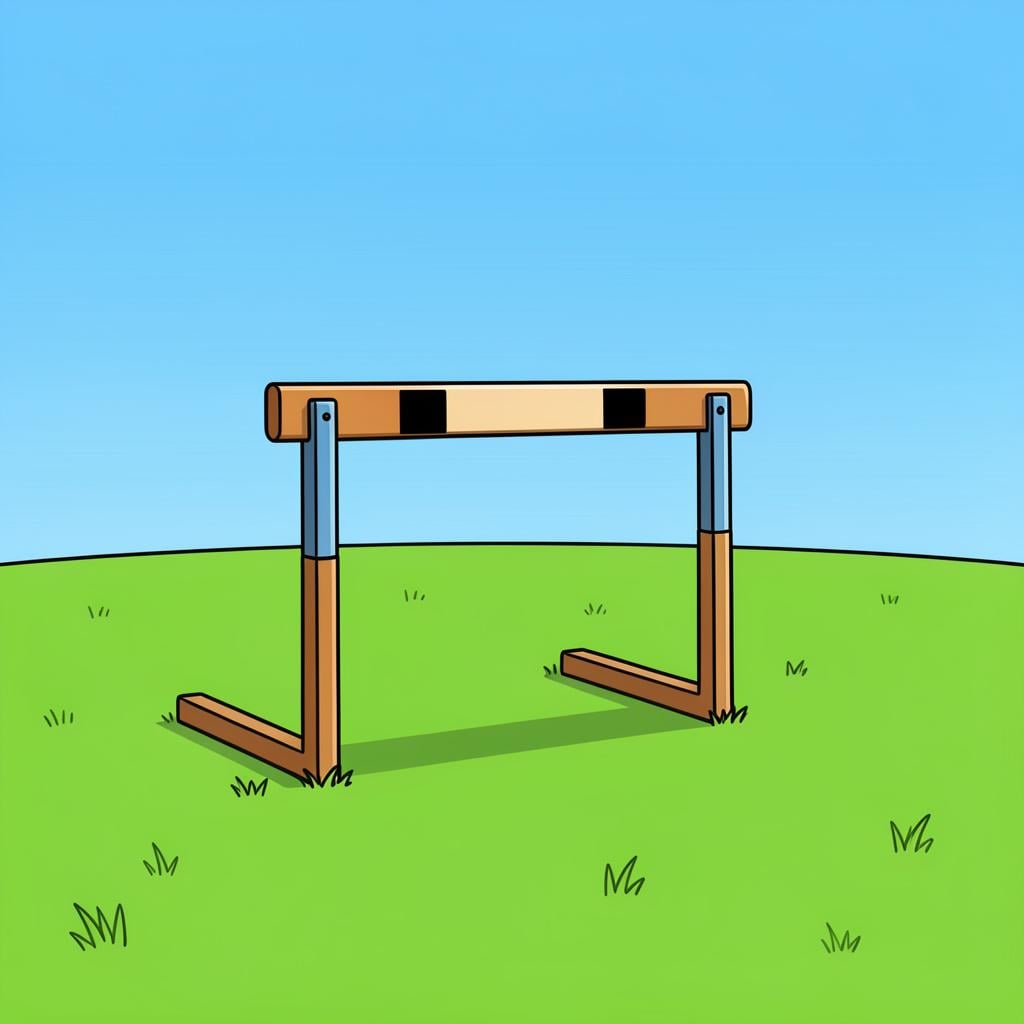
hurdle, barrierAlso: steeplechase
📝 In Action
El atleta saltó el último obstáculo y ganó la carrera.
A2The athlete jumped the last hurdle and won the race.
Pusieron obstáculos en la calle para detener el tráfico.
B1They put barriers in the street to stop the traffic.
Word Connections
obstacle, setbackAlso: impediment, snag

📝 In Action
La falta de dinero es un gran obstáculo para mis planes.
B1The lack of money is a big obstacle for my plans.
Superamos todos los obstáculos y terminamos el proyecto.
B2We overcame all the obstacles and finished the project.
Word Connections
Translate to Spanish
Words that translate to "obstáculo" in Spanish:
✏️ Quick Practice
Quick Quiz: obstáculo
Question 1 of 2
Which verb means 'to overcome an obstacle' in Spanish?
📚 More Resources
👥 Word Family
🎵 Rhymes
📚 Etymology
From the Latin 'obstaculum', which comes from 'obstare' (to stand in the way). It is built from 'ob' (against) and 'stare' (to stand).
First recorded: 13th century
Cognates (Related words)
💡 Master Spanish
Take your Spanish to the next level. Read 200+ illustrated and narrated Spanish stories tailored to your level with the Inklingo app!
Frequently Asked Questions
Is 'obstáculo' only for physical things like fences?
No! Just like in English, it is very common to use it for life challenges, money problems, or learning difficulties.
Do I have to pronounce the 'b'?
Yes, but it's very soft. In many Spanish-speaking countries, the 'b' is almost silent, sounding more like 'os-táculo', but in writing and formal speech, the 'b' is always there.