opresión
“opresión” means “oppression” in Spanish. It has 2 different meanings depending on context:
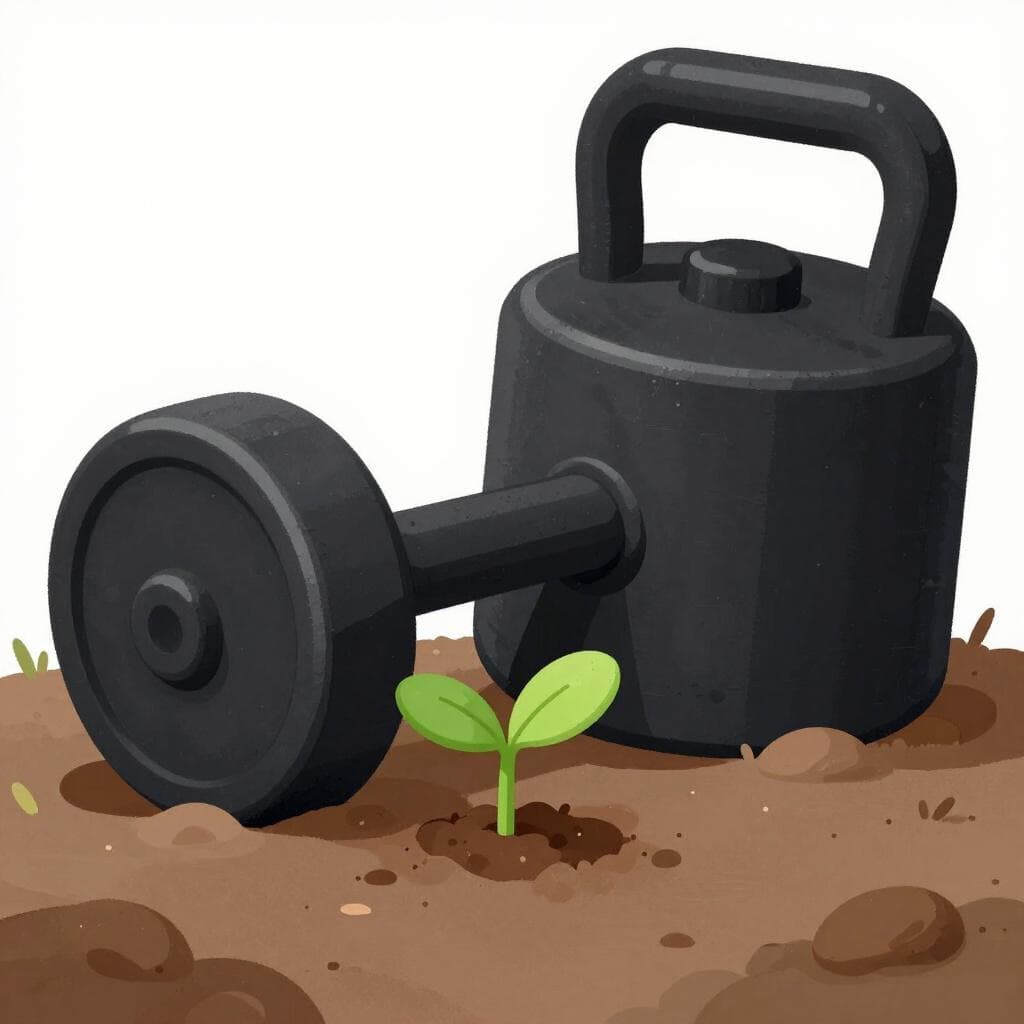

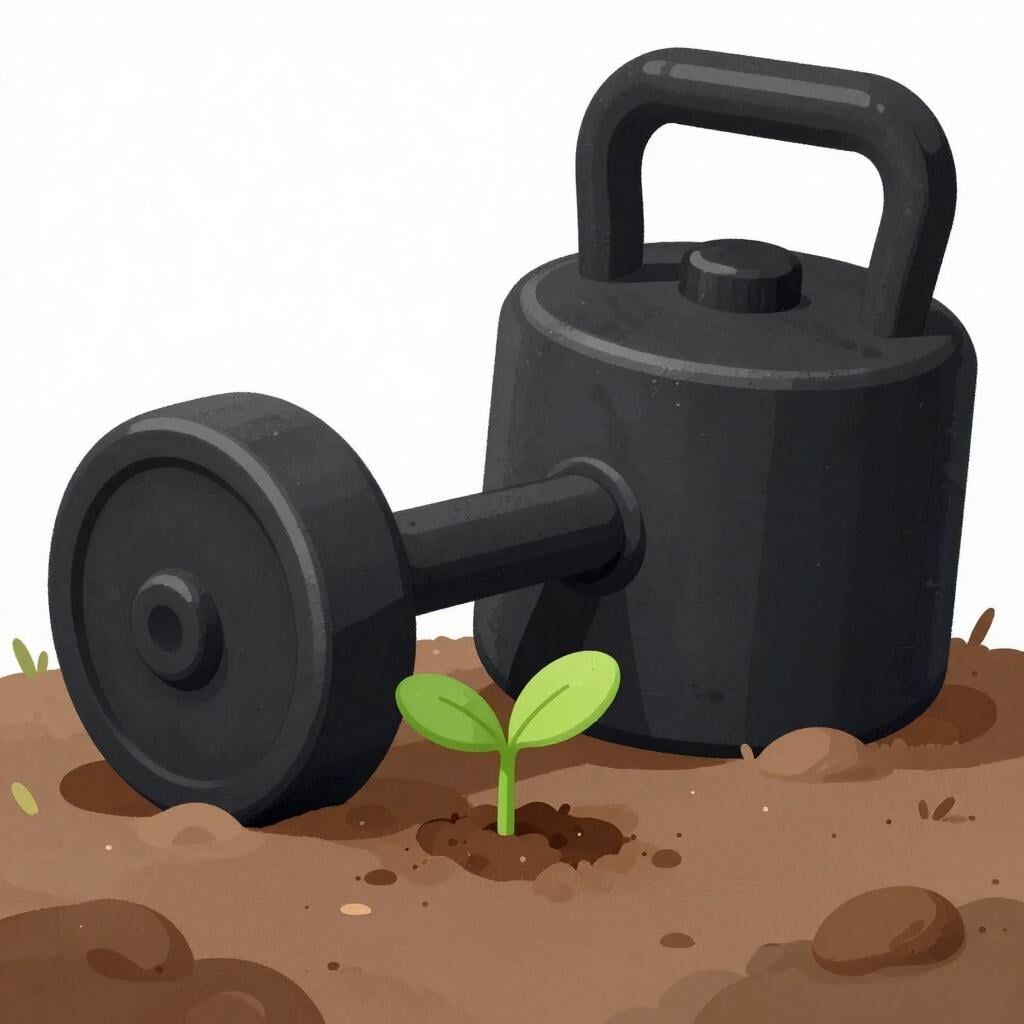
oppressionAlso: tyranny, hardship
📝 In Action
Muchos ciudadanos lucharon valientemente contra la opresión.
B1Many citizens fought bravely against oppression.
La historia del país está marcada por años de opresión política.
B2The history of the country is marked by years of political oppression.
Debemos identificar las formas sutiles de opresión en nuestra sociedad.
C1We must identify the subtle forms of oppression in our society.
Word Connections
tightness, pressureAlso: weight

📝 In Action
Siento una fuerte opresión en el pecho cuando estoy nervioso.
B1I feel a strong tightness in my chest when I am nervous.
La opresión del vendaje era demasiado fuerte.
B2The pressure from the bandage was too strong.
Al entrar en la habitación, sintió una extraña opresión en el ambiente.
C1Upon entering the room, he felt a strange heaviness in the air.
Word Connections
✏️ Quick Practice
Quick Quiz: opresión
Question 1 of 3
If you go to a doctor and feel like your chest is being squeezed, you should say:
📚 More Resources
👥 Word Family
🎵 Rhymes
📚 Etymology
From the Latin word 'oppressio', which describes the act of pressing down or crushing. It comes from the verb 'opprimere' (to press against).
First recorded: 13th century
Cognates (Related words)
💡 Master Spanish
Take your Spanish to the next level. Read 200+ illustrated and narrated Spanish stories tailored to your level with the Inklingo app!
Frequently Asked Questions
Is 'opresión' only for politics?
No. While very common in politics, it is also used in medicine to describe a feeling of squeezing or heaviness in the body, like 'chest tightness'.
Is it 'el' or 'la' opresión?
It is always 'la'. Words ending in -ción are feminine in Spanish.
Can I use 'opresión' for a heavy atmosphere in a room?
Yes! You can use it figuratively to describe a 'heavy' or 'tense' feeling in the air or environment.