p.
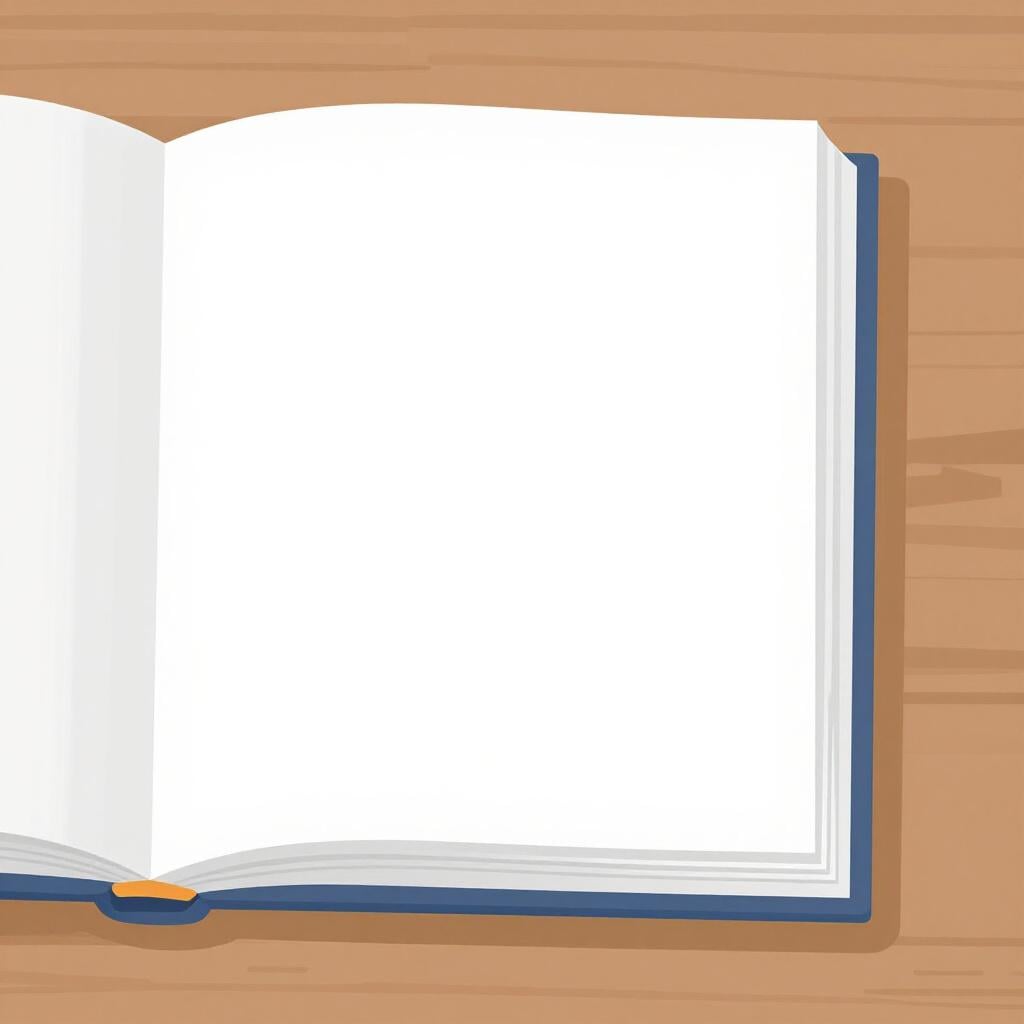
“p.” means “page” in Spanish. It has 2 different meanings depending on context:
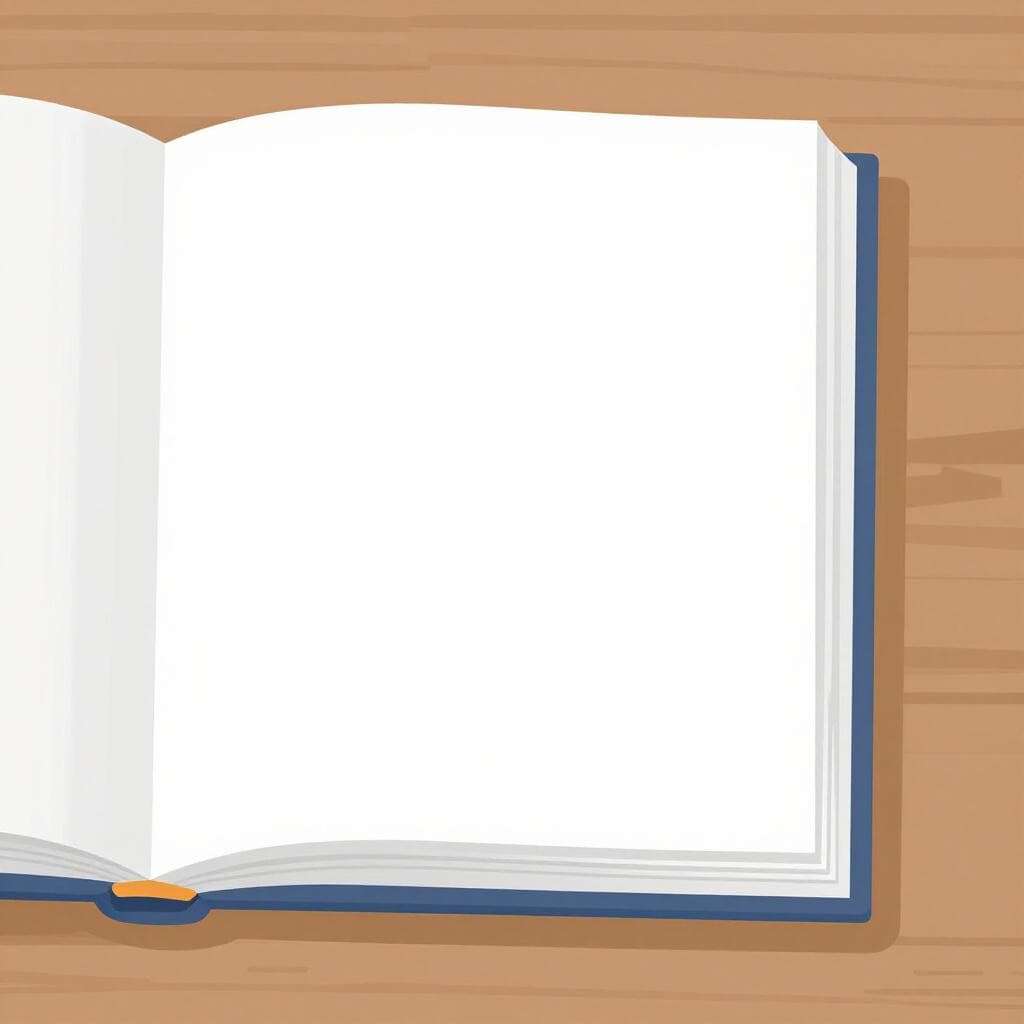
pageAlso: p.
📝 In Action
Abre el libro en la p. 45.
A1Open the book to page 45.
La respuesta está en la p. siguiente.
A2The answer is on the next page.
Véase la nota al pie en la p. 12.
B1See the footnote on page 12.
Word Connections
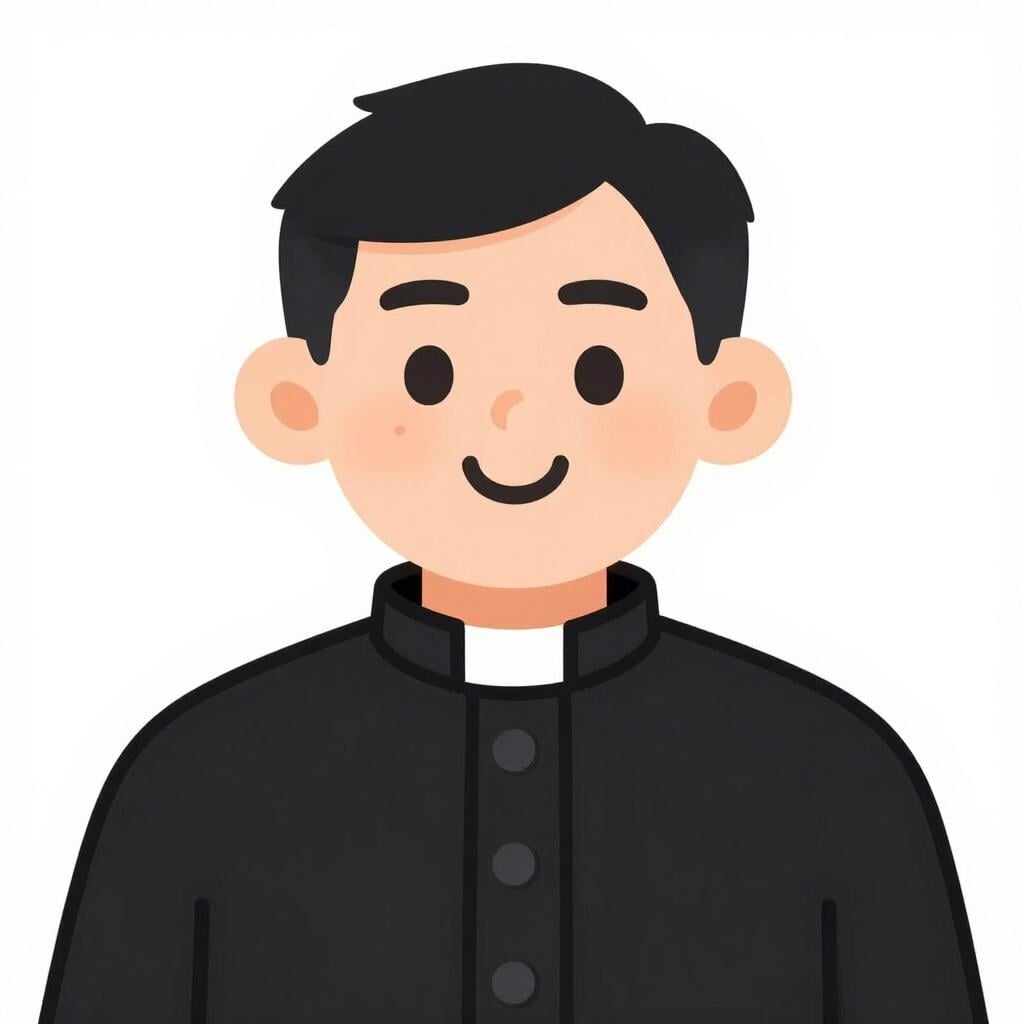
FatherAlso: Pope
📝 In Action
Hablamos con el P. Juan después de la misa.
B2We spoke with Father Juan after the mass.
S.S. el P. Francisco visitará el país.
C1His Holiness Pope Francis will visit the country.
Es una carta dirigida al P. Director.
B2It is a letter addressed to the Father Director.
Word Connections
✏️ Quick Practice
Quick Quiz: p.
Question 1 of 3
What does 'pp.' stand for in a Spanish book index?
📚 More Resources
👥 Word Family
📚 Etymology
A shortened form used for centuries in Spanish writing to save space. 'p.' for página comes from the Latin 'pagina' (a leaf of papyrus). 'P.' for Father comes from the Latin 'pater'.
First recorded: 13th century (in manuscripts)
Cognates (Related words)
💡 Master Spanish
Take your Spanish to the next level. Read 200+ illustrated and narrated Spanish stories tailored to your level with the Inklingo app!
Frequently Asked Questions
Is it 'p.' or 'pág.'?
Both are correct! 'p.' is the shortest version, while 'pág.' is also very common and clear.
Does the plural 'pp.' have two dots?
No, it usually just has one dot at the very end: 'pp.' (though some older texts might use 'pp.').
Why do Spanish speakers double the letters for plurals?
It is an old tradition! Just like 'EE.UU.' stands for 'Estados Unidos' (United States), 'pp.' stands for 'páginas'.