papas
“papas” means “potato” in Spanish. It has 3 different meanings depending on context:
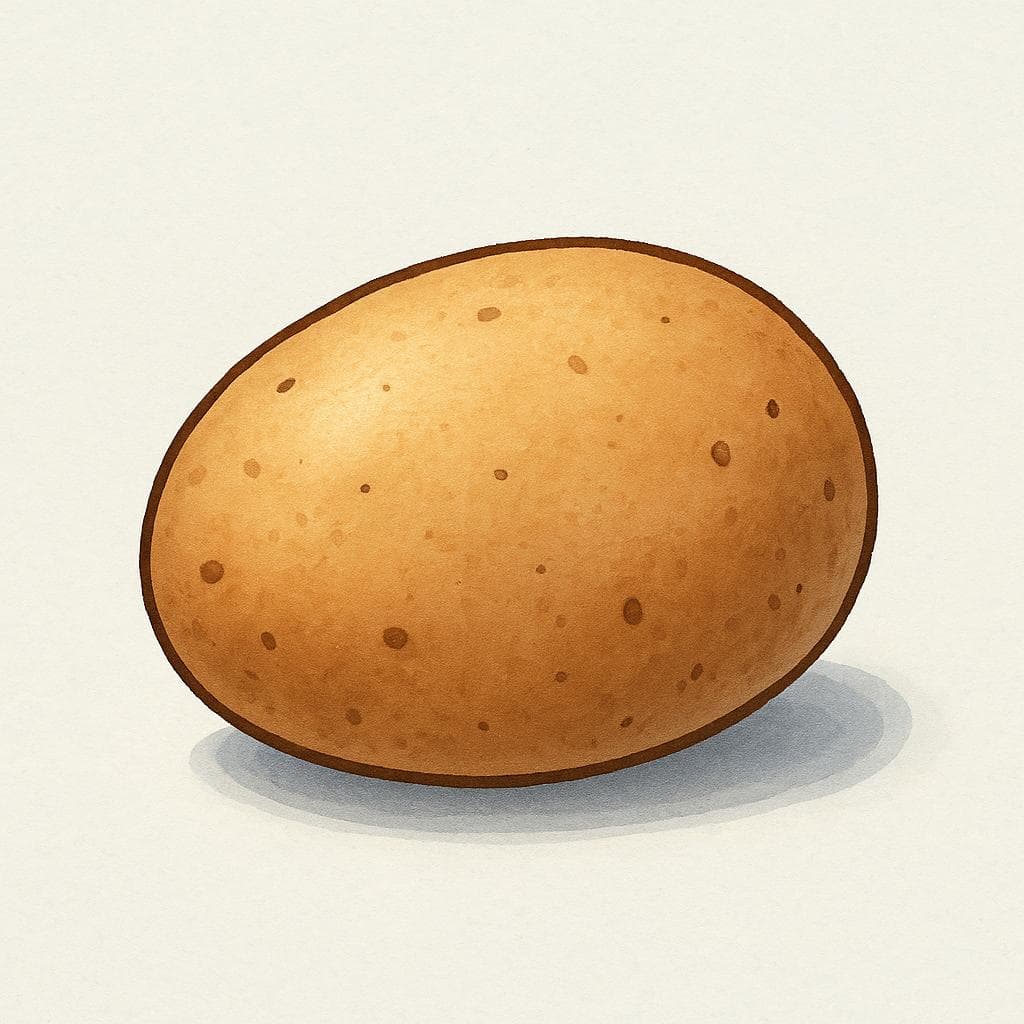


potato

📝 In Action
Necesitamos tres papas grandes para hacer el puré.
A1We need three large potatoes to make the mash.
Las papas andinas tienen muchos colores diferentes.
B1Andean potatoes come in many different colors.
Word Connections
French fries, chipsAlso: potato chips

📝 In Action
¿Me pones unas papas con el sándwich, por favor?
A1Could you give me some fries with the sandwich, please?
No comas tantas papas de bolsa, no son saludables.
A2Don't eat so many potato chips (crisps), they aren't healthy.
Word Connections
parents

📝 In Action
Tengo que ir a visitar a mis papas este fin de semana.
A2I have to go visit my parents this weekend.
Mis papas me regalaron un coche nuevo.
B1My mom and dad (parents) gave me a new car.
Word Connections
Vocabulary Collections
Translate to Spanish
Words that translate to "papas" in Spanish:
✏️ Quick Practice
Quick Quiz: papas
Question 1 of 2
Which of these sentences uses 'papas' to mean 'parents'?
📚 More Resources
👥 Word Family
📚 Etymology
The word 'papa' (singular) for the root vegetable comes from the indigenous Quechua word 'papa' used in the Andes region of South America. It was adopted by Spanish explorers and spread globally, though in Spain, the word 'patata' (a blend of 'papa' and 'batata' meaning sweet potato) became more common. The meaning 'parents' is simply the plural of 'papá' (dad).
First recorded: 16th century (in Spanish texts, referring to the New World crop)
Cognates (Related words)
💡 Master Spanish
Take your Spanish to the next level. Read 200+ illustrated and narrated Spanish stories tailored to your level with the Inklingo app!
Frequently Asked Questions
What is the difference between 'papas' and 'patatas'?
'Papas' is the standard word for the potato (the vegetable) across nearly all of Latin America. 'Patatas' is the standard word for the potato in Spain and the Canary Islands. Both words are used globally to mean 'French fries' (as 'papas fritas' or 'patatas fritas').
Is 'papas' (parents) considered rude or too informal?
No, it is not rude, but it is very informal. It is common and acceptable when speaking casually with friends or family, but you should use 'padres' in formal writing or professional settings.