pasamos
“pasamos” means “we pass” in Spanish. It has 2 different meanings depending on context:
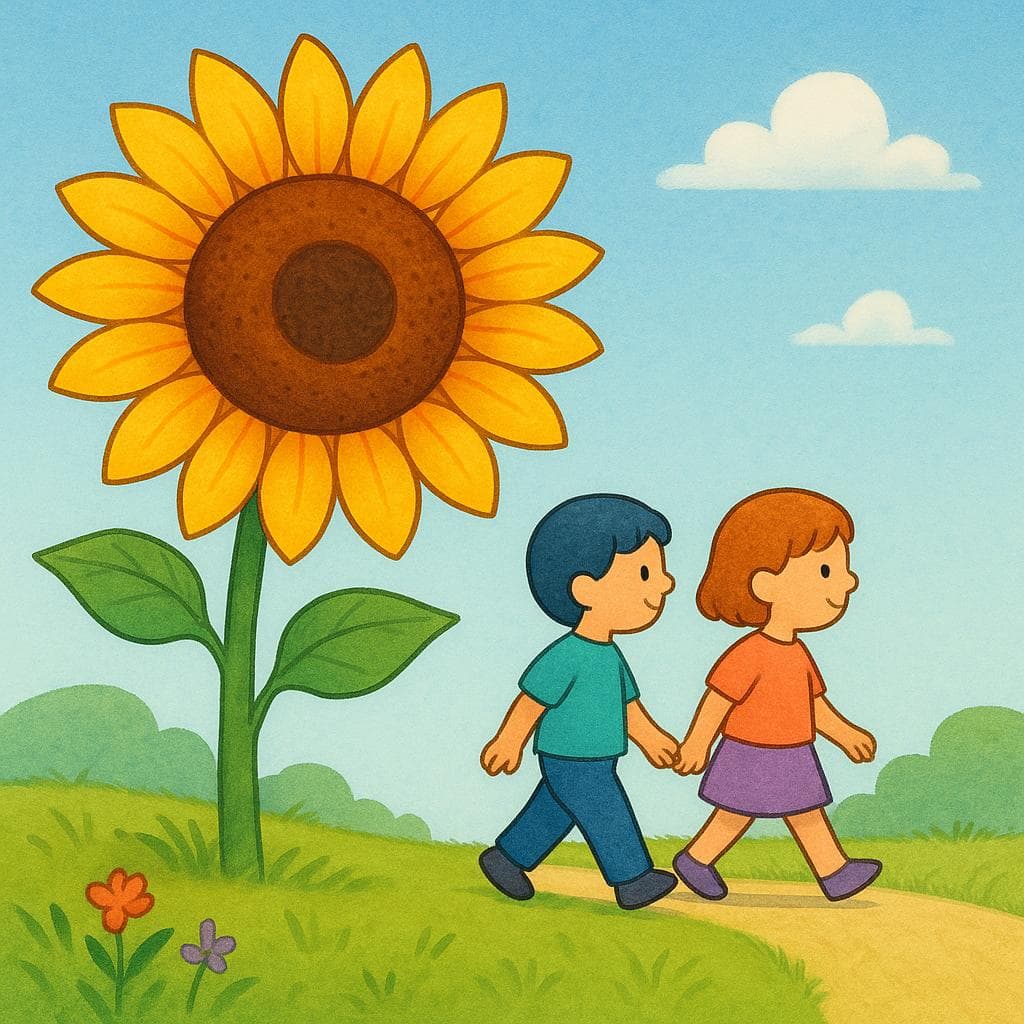

we pass, we passed, we hand overAlso: we cross, we go through
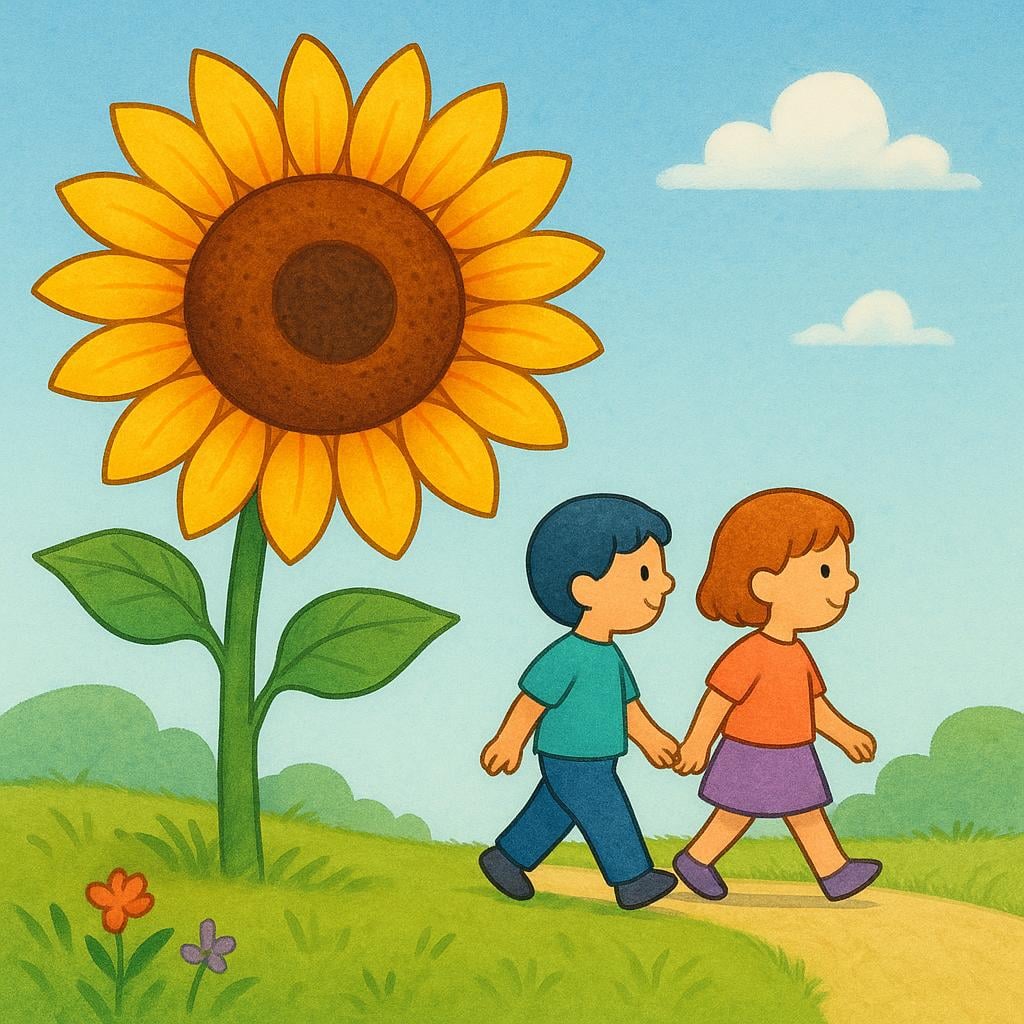
📝 In Action
Siempre pasamos por el parque para ir a la escuela.
A1We always pass by the park to go to school.
Ayer pasamos la pelota rápidamente, y ganamos.
A2Yesterday we passed the ball quickly, and we won.
¿Pasamos al comedor? La cena está lista.
A2Shall we go through to the dining room? Dinner is ready.
Word Connections
we spend (time), we went throughAlso: we undergo

📝 In Action
Siempre pasamos las vacaciones de verano en la playa.
A2We always spend the summer vacation at the beach.
Pasamos mucho tiempo buscando el regalo perfecto.
B1We spent a lot of time looking for the perfect gift.
Fue difícil, pero pasamos la prueba.
B2It was difficult, but we passed the test.
Word Connections
Indicative
Present
Imperfect
Preterite
Subjunctive
Present Subjunctive
Imperfect Subjunctive
Translate to Spanish
Words that translate to "pasamos" in Spanish:
✏️ Quick Practice
Quick Quiz: pasamos
Question 1 of 2
If you say 'Pasamos por un momento difícil,' what is the best translation?
📚 More Resources
👥 Word Family
📚 Etymology
The verb 'pasar' comes from the Vulgar Latin word *passāre*, which meant 'to step' or 'to walk.' This origin explains why 'pasamos' relates both to moving physically and to the 'steps' of time moving forward.
First recorded: Around the 10th century
Cognates (Related words)
💡 Master Spanish
Take your Spanish to the next level. Read 200+ illustrated and narrated Spanish stories tailored to your level with the Inklingo app!
Frequently Asked Questions
Is 'pasamos' used in a reflective way, like 'we happen to be'?
Yes, but usually in its reflexive form: 'Nos pasamos' can mean 'we went too far' or 'we overdid it,' which is a slightly different meaning of the verb 'pasar'.
Can I use 'pasamos' to talk about ignoring something?
Yes. The phrase 'Pasamos de...' means 'We ignore...' or 'We don't care about...' and is common in informal speech, especially in Spain.