pasaremos
“pasaremos” means “we will spend (time)” in Spanish. It has 2 different meanings depending on context:


we will spend (time), we will go throughAlso: we will pass, we will cross

📝 In Action
Pasaremos la Navidad con mis abuelos este año.
A1We will spend Christmas with my grandparents this year.
¿A qué hora pasaremos por el túnel?
A2What time will we go through the tunnel?
Si estudiamos, pasaremos el examen sin problemas.
B1If we study, we will pass the exam without problems.
Word Connections
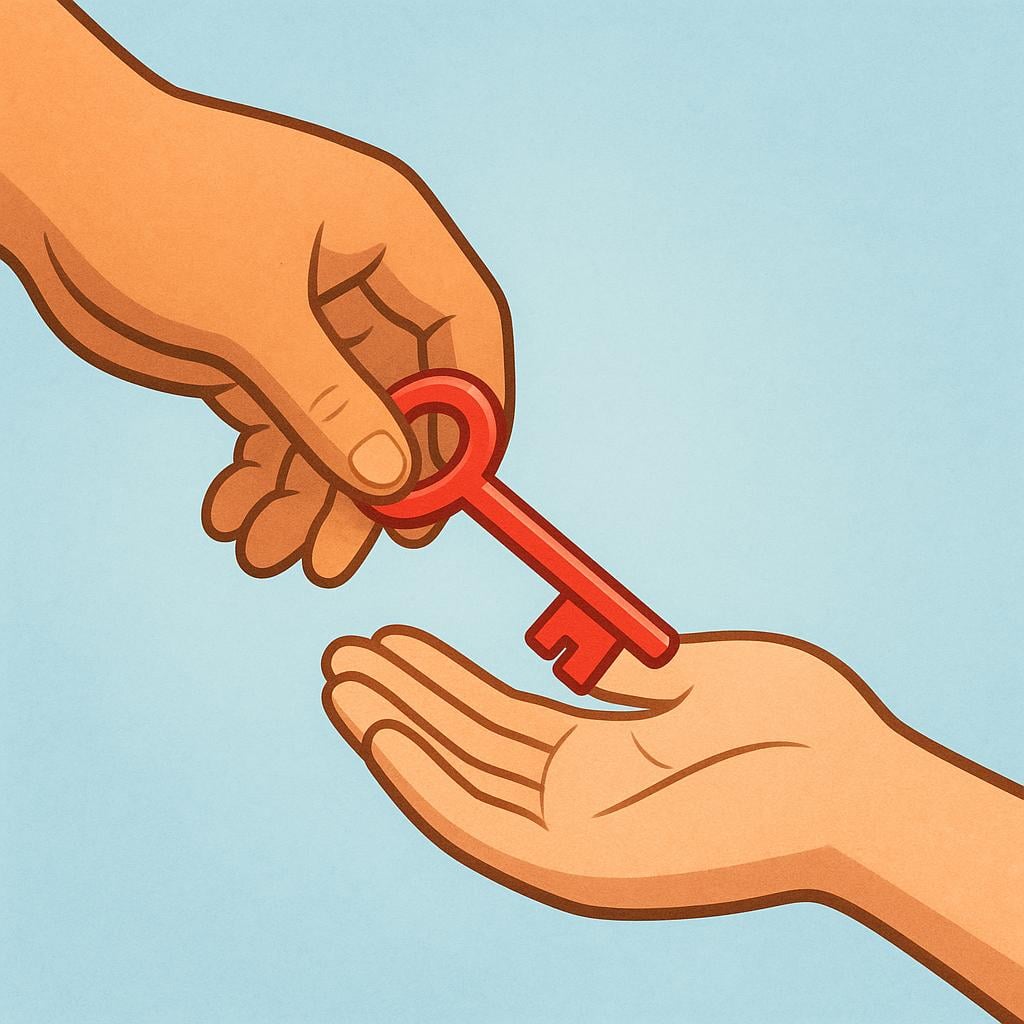
we will hand over, we will pass alongAlso: we will share
📝 In Action
Cuando terminemos, pasaremos los documentos al departamento legal.
B1When we finish, we will hand over the documents to the legal department.
Pasaremos la sal si nos la pides en la cena.
A2We will pass the salt if you ask us for it at dinner.
Word Connections
Indicative
Present
Preterite
Imperfect
Subjunctive
Present Subjunctive
Imperfect Subjunctive
✏️ Quick Practice
Quick Quiz: pasaremos
Question 1 of 2
Which English translation is correct for the sentence: 'Pasaremos tres semanas en el campo.'?
📚 More Resources
👥 Word Family
🎵 Rhymes
📚 Etymology
The verb 'pasar' comes from the Late Latin word *passare*, which meant 'to step' or 'to walk.' Over time, its meaning expanded from just moving your feet to moving through time, moving objects, and moving from one place to another.
First recorded: 10th century
Cognates (Related words)
💡 Master Spanish
Take your Spanish to the next level. Read 200+ illustrated and narrated Spanish stories tailored to your level with the Inklingo app!
Frequently Asked Questions
How do I know if 'pasaremos' means 'we will spend' or 'we will pass by'?
Look at what comes after the verb. If it's a duration of time (e.g., 'tres horas,' 'el verano'), it means 'we will spend.' If it's a location (e.g., 'por la ciudad,' 'su casa'), it means 'we will pass by.'
Is 'pasaremos' a regular or irregular verb?
'Pasaremos' comes from the verb 'pasar,' which is a regular '-ar' verb. The future tense conjugation is especially regular, meaning you just add the future endings to the full verb 'pasar'.