pedirme
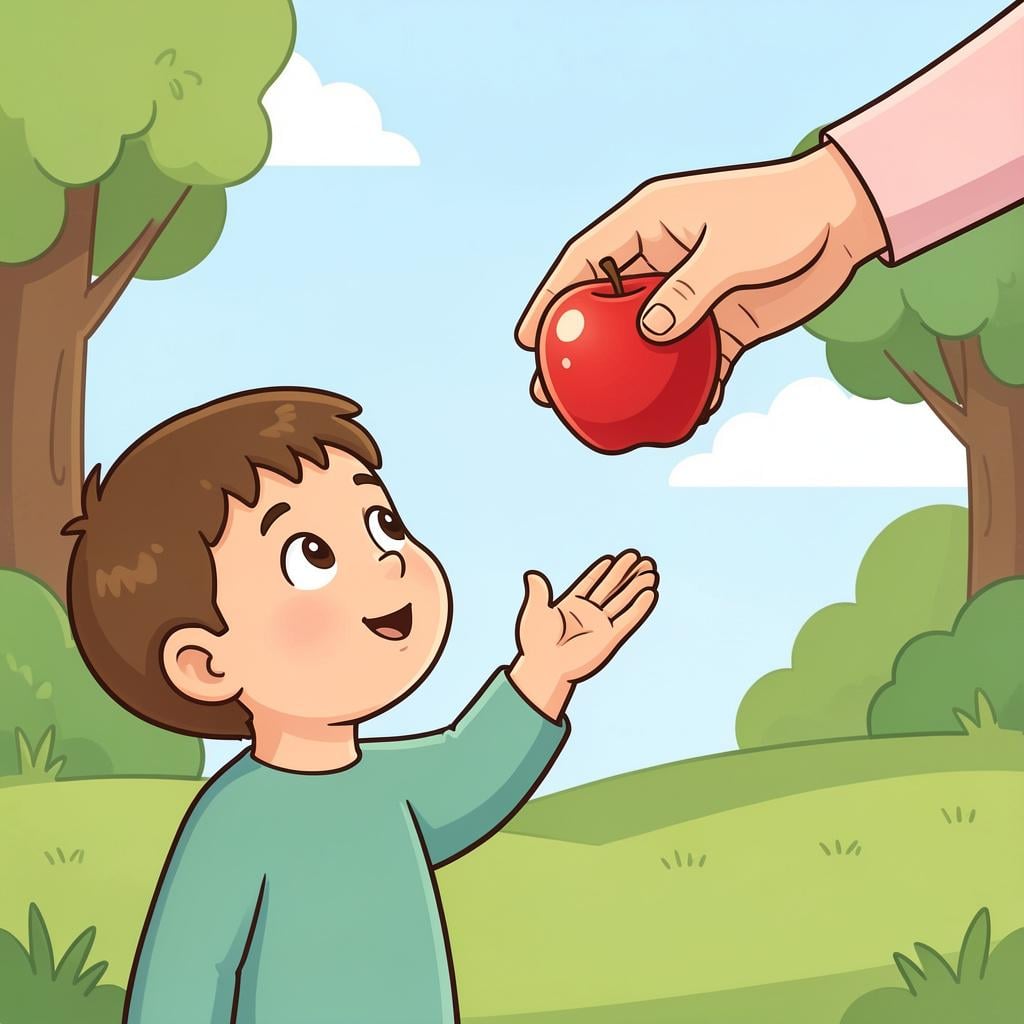
“pedirme” means “to ask me for” in Spanish (requesting an object or favor).
to ask me forAlso: to order for me, to request of me
📝 In Action
Puedes pedirme cualquier cosa.
A1You can ask me for anything.
Él va a pedirme un favor muy grande.
A2He is going to ask me for a very big favor.
¿Puedes pedirme un café también?
A1Can you order a coffee for me too?
Word Connections
Subjunctive
Imperfect Subjunctive
Present Subjunctive
Indicative
Preterite
Imperfect
Present
✏️ Quick Practice
Quick Quiz: pedirme
Question 1 of 1
How would you say 'He wants to ask me for money'?
📚 More Resources
👥 Word Family
🎵 Rhymes
📚 Etymology
From the Latin word 'petere', which meant 'to rush at', 'to seek', or 'to beseech'.
First recorded: 12th century
Cognates (Related words)
💡 Master Spanish
Take your Spanish to the next level. Read 200+ illustrated and narrated Spanish stories tailored to your level with the Inklingo app!
Frequently Asked Questions
Why is it 'pedirme' and not 'me pedir'?
In Spanish, when you use the 'to' form of a verb (the infinitive), pronouns like 'me' must be attached to the end of the word.
Does 'pedirme' mean to ask a question?
No, it usually means asking for an item or a favor. To ask a question, you should use 'preguntarme'.