pegó
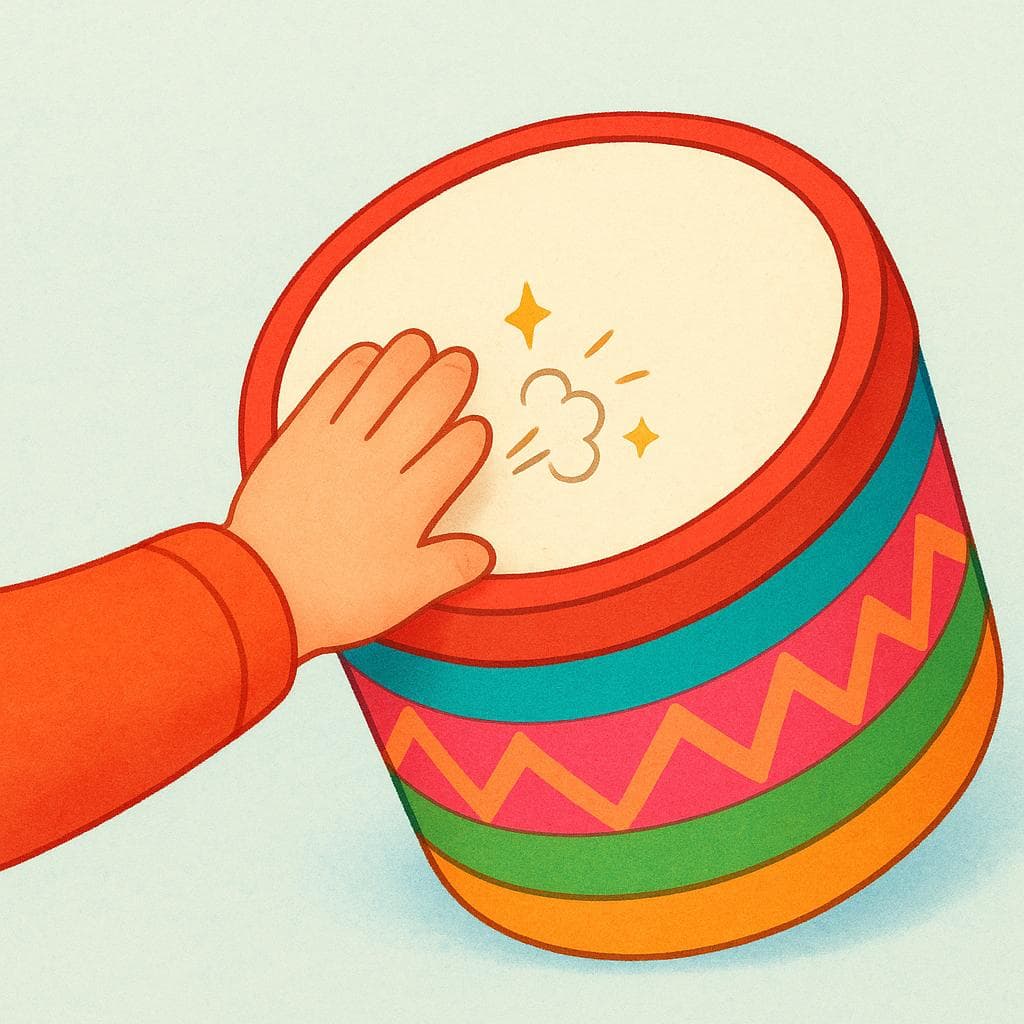
“pegó” means “hit” in Spanish. It has 4 different meanings depending on context:




📝 In Action
El boxeador le pegó un golpe terrible.
A1The boxer hit him with a terrible blow.
La piedra pegó contra la ventana y se rompió.
A2The stone hit against the window and broke.
Word Connections

📝 In Action
Usó pegamento fuerte y la foto pegó de inmediato.
A2He used strong glue and the photo stuck immediately.
La pintura pegó muy bien a la madera vieja.
B1The paint adhered very well to the old wood.
Word Connections

📝 In Action
El virus se pegó rápidamente en el colegio.
B1The virus spread quickly in the school.
Mi hermano me pegó su mal humor.
B2My brother transferred his bad mood to me (made me feel bad too).

📝 In Action
Su nueva película pegó mucho en taquilla.
B2His new movie was a big hit at the box office.
Esa canción electrónica no pegó en la radio.
C1That electronic song didn't catch on on the radio.
Word Connections
Indicative
Present
Imperfect
Preterite
Subjunctive
Present Subjunctive
Imperfect Subjunctive
✏️ Quick Practice
Quick Quiz: pegó
Question 1 of 1
Which sentence uses 'pegó' in the sense of 'to adhere or stick'?
📚 More Resources
👥 Word Family
📚 Etymology
The verb 'pegar' comes from the Vulgar Latin *picāre*, which meant 'to pierce' or 'to strike.' It also had a connection to *pix* (pitch or tar), which explains why the word evolved to mean both 'to strike' and 'to stick/adhere.'
First recorded: Around the 13th century
Cognates (Related words)
💡 Master Spanish
Take your Spanish to the next level. Read 200+ illustrated and narrated Spanish stories tailored to your level with the Inklingo app!
Frequently Asked Questions
What is the difference between 'pegó' (from pegar) and 'golpeó' (from golpear)?
Both mean 'hit,' but 'golpeó' is generally restricted to the meaning of 'striking' or 'hitting.' 'Pegó' is much more versatile, covering 'to stick,' 'to spread (a disease),' and 'to catch on' (become popular), in addition to 'to hit.'
Why does 'pegó' have an accent mark?
The accent mark is necessary because 'pegó' is a simple past tense verb form, and in Spanish, verbs that end in 'o' in the past tense (like 'habló' or 'compró') must have the accent mark to show the stress falls on that final syllable (pe-GÓ).