pequeño
“pequeño” means “small” in Spanish. It has 3 different meanings depending on context:



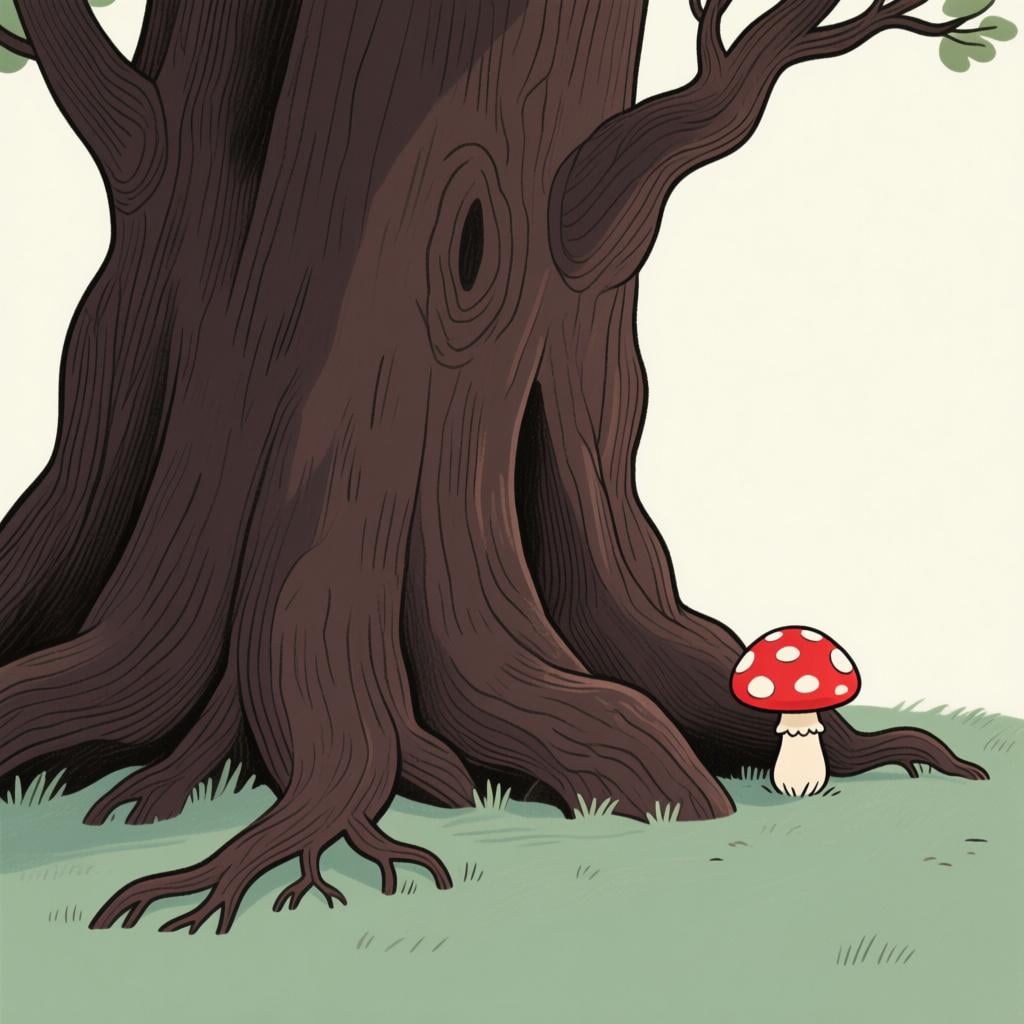
smallAlso: little, short
📝 In Action
Mi coche es muy pequeño.
A1My car is very small.
Vivimos en una casa pequeña con un jardín grande.
A1We live in a small house with a big garden.
Prefiero un café pequeño, por favor.
A2I prefer a small coffee, please.
Word Connections
youngAlso: younger, minor, slight

📝 In Action
Mi hermano pequeño se llama Carlos.
A2My younger brother is named Carlos.
Es solo un pequeño problema, no te preocupes.
B1It's just a minor problem, don't worry.
De pequeño, yo quería ser astronauta.
B1When I was little/young, I wanted to be an astronaut.
Word Connections
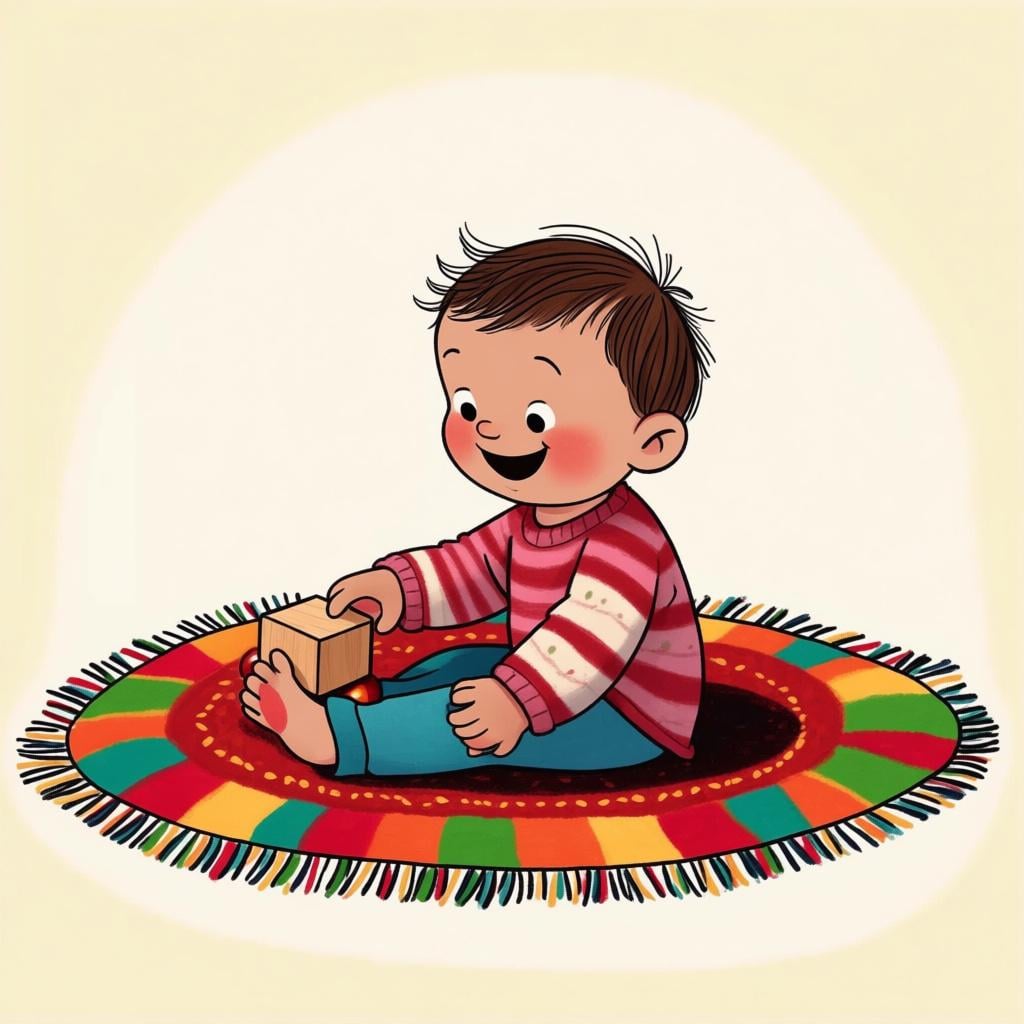
little oneAlso: child, kid
📝 In Action
El pequeño está durmiendo la siesta.
B1The little one is taking a nap.
Es hora de recoger a los pequeños del colegio.
B1It's time to pick up the little ones from school.
¿Cómo está la pequeña?
B1How is the little one (girl)?
Word Connections
🔀 Commonly Confused With
Translate to Spanish
Words that translate to "pequeño" in Spanish:
✏️ Quick Practice
Quick Quiz: pequeño
Question 1 of 1
In the sentence 'Mi hermano pequeño tiene un perro pequeño', what does the FIRST 'pequeño' describe?
📚 More Resources
👥 Word Family
🎵 Rhymes
📚 Etymology
The word 'pequeño' comes from an old Latin word, 'piccinnus', which was likely an expressive term used to talk about small things or children. It's related to the Italian word 'piccino'.
First recorded: Around the 13th century
Cognates (Related words)
💡 Master Spanish
Take your Spanish to the next level. Read 200+ illustrated and narrated Spanish stories tailored to your level with the Inklingo app!
Frequently Asked Questions
What is the difference between 'pequeño' and 'poco'?
This is a great question because it confuses many learners! Use 'pequeño' to talk about SIZE (a small car, a small house). Use 'poco' to talk about AMOUNT or QUANTITY (a little bit of sugar, very little time). Think: 'pequeño' is the opposite of 'grande' (big), and 'poco' is the opposite of 'mucho' (a lot).
Can I say 'Mi amigo es pequeño'?
Yes, you can, but be careful! It means 'My friend is short (in height)'. If you want to say your friend is young, it's better to use 'joven'. So, 'Mi amigo es pequeño' = he is short. 'Mi amigo es joven' = he is young.