How to Say "little one" in Spanish
The most common Spanish word for “little one” is “chiquito” — use 'chiquito' as an affectionate and informal term, often for a young child, similar to 'little guy' or 'sweetie'.
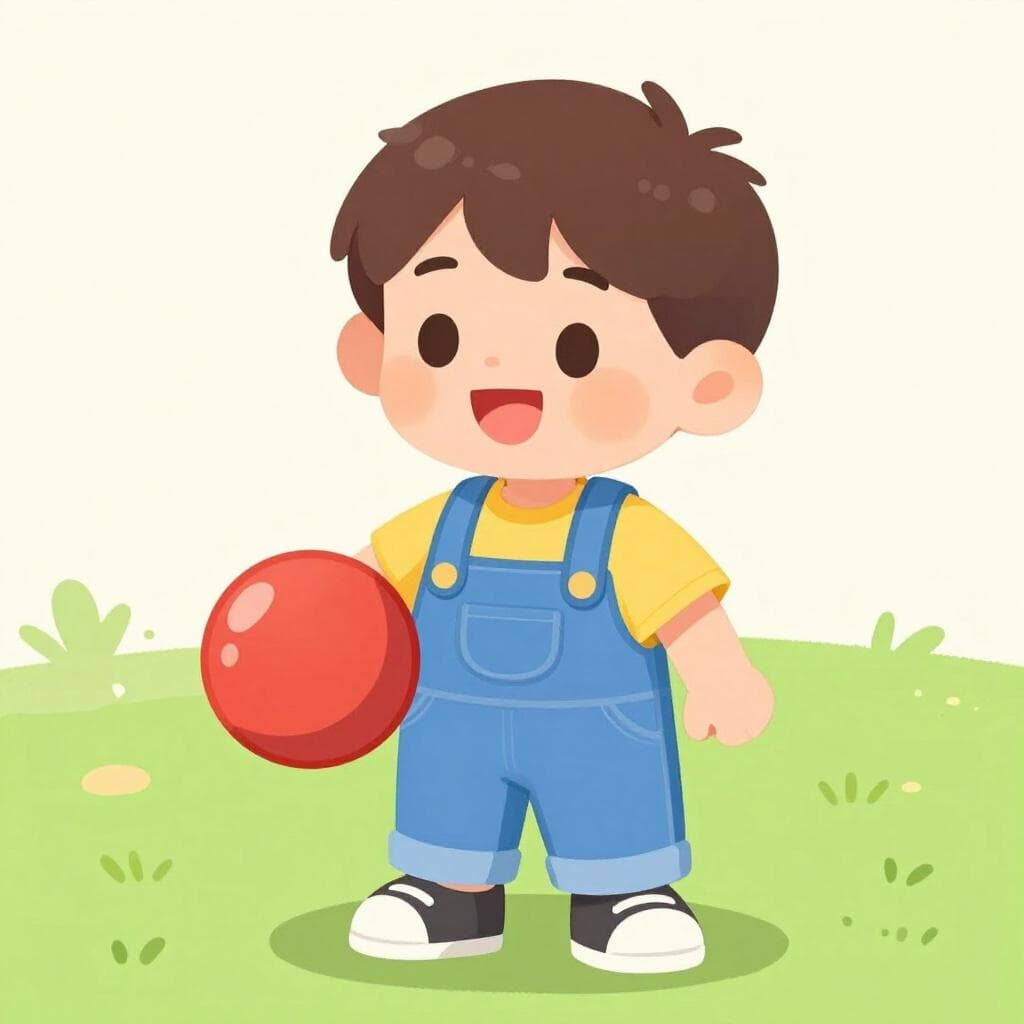
Use 'chiquito' as an affectionate and informal term, often for a young child, similar to 'little guy' or 'sweetie'.
Learn more →
Use 'criatura' as a tender term of endearment, often for a baby or very young child, emphasizing their vulnerability and preciousness.
Learn more →
Use 'pequeño' as a more general term to refer to a child, meaning 'small one' or 'youngster', without necessarily implying strong affection.
Learn more →chee-KEE-tohtʃiˈkito

Examples
El chiquito no quiere comer sus verduras.
The little one doesn't want to eat his vegetables.
De chiquito, yo vivía en Madrid.
When I was a little kid, I lived in Madrid.
Es un chiquito muy inteligente.
He is a very smart little kid.
Talking about the past
The phrase 'de chiquito' is a very common way to start a story about your childhood, similar to saying 'as a boy' in English.
Using it for adults
Mistake: “Calling a boss or stranger 'chiquito'.”
Correction: This is very informal. Only use it for actual children or very close friends as a nickname.
kree-ah-TOO-rahkɾjaˈtuɾa
Examples
La criatura durmió toda la noche por primera vez.
The baby slept all night for the first time.
¡Mira qué linda criatura! ¿Cuántos años tiene?
Look what a sweet little one! How old is she/he?
Mi hermana dejó a las criaturas con la abuela.
My sister left the children with Grandma.
Fixed Gender
Even if the child is a boy, the word 'criatura' remains feminine ('la criatura'). The gender of the word doesn't change based on the child's actual gender.
Confusing Gender
Mistake: “Usar 'el criaturo' para un niño.”
Correction: Always use 'la criatura,' even for a male child. The word itself is always feminine.
peh-KEH-nyohpeˈkeɲo

Examples
El pequeño está durmiendo la siesta.
The little one is taking a nap.
Es hora de recoger a los pequeños del colegio.
It's time to pick up the little ones from school.
¿Cómo está la pequeña?
How is the little one (girl)?
Turning Adjectives into Nouns
You can turn many describing words (adjectives) into words for people or things (nouns) just by putting 'el', 'la', 'los', or 'las' in front. Here, 'el pequeño' literally means 'the small one,' but everyone understands it means 'the child'.
Choosing Between Affectionate and General Terms
Learners often confuse 'chiquito' and 'criatura' with 'pequeño'. While 'pequeño' is a neutral descriptor, 'chiquito' and 'criatura' carry significant affection. Avoid using 'pequeño' when you mean to express warmth, as it can sound too detached.
Related Translations
Learn Spanish with Inklingo
Interactive stories, personalized learning, and more.