How to Say "tiny" in Spanish
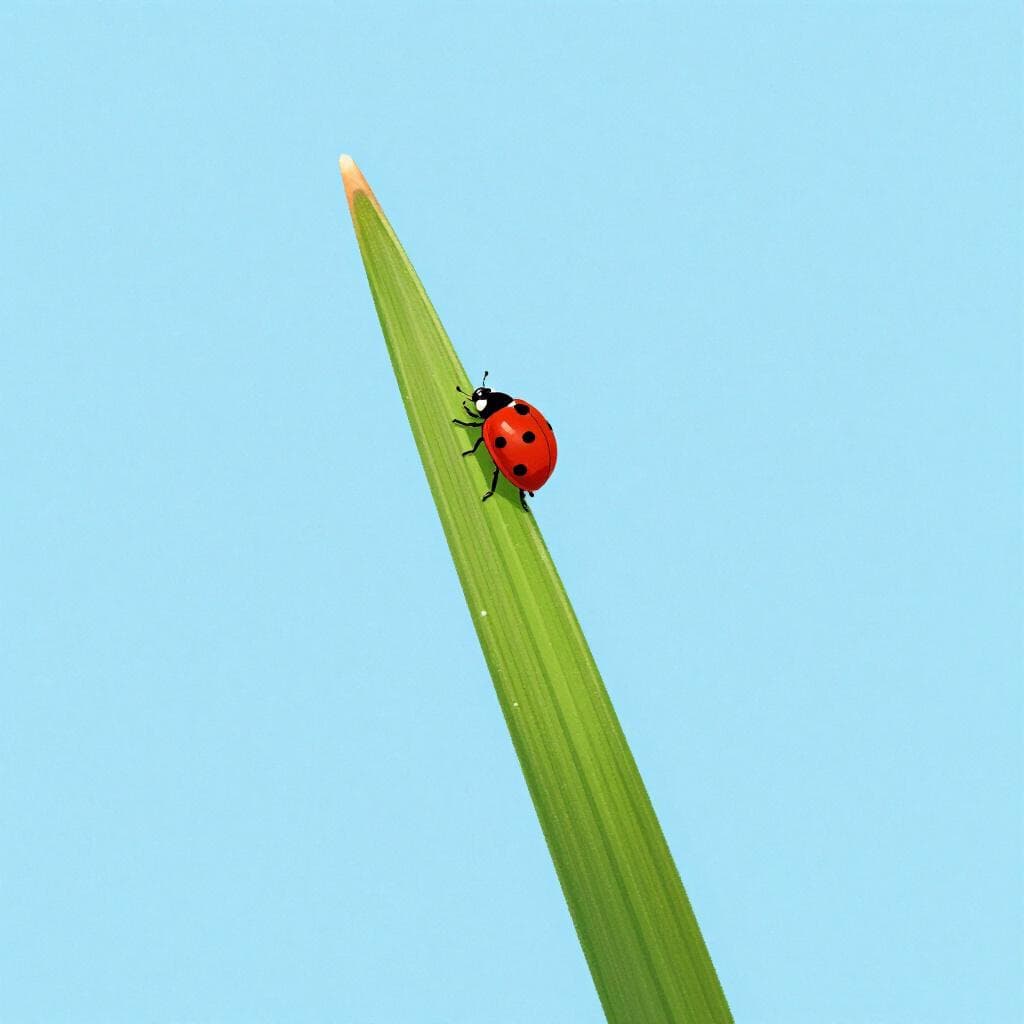
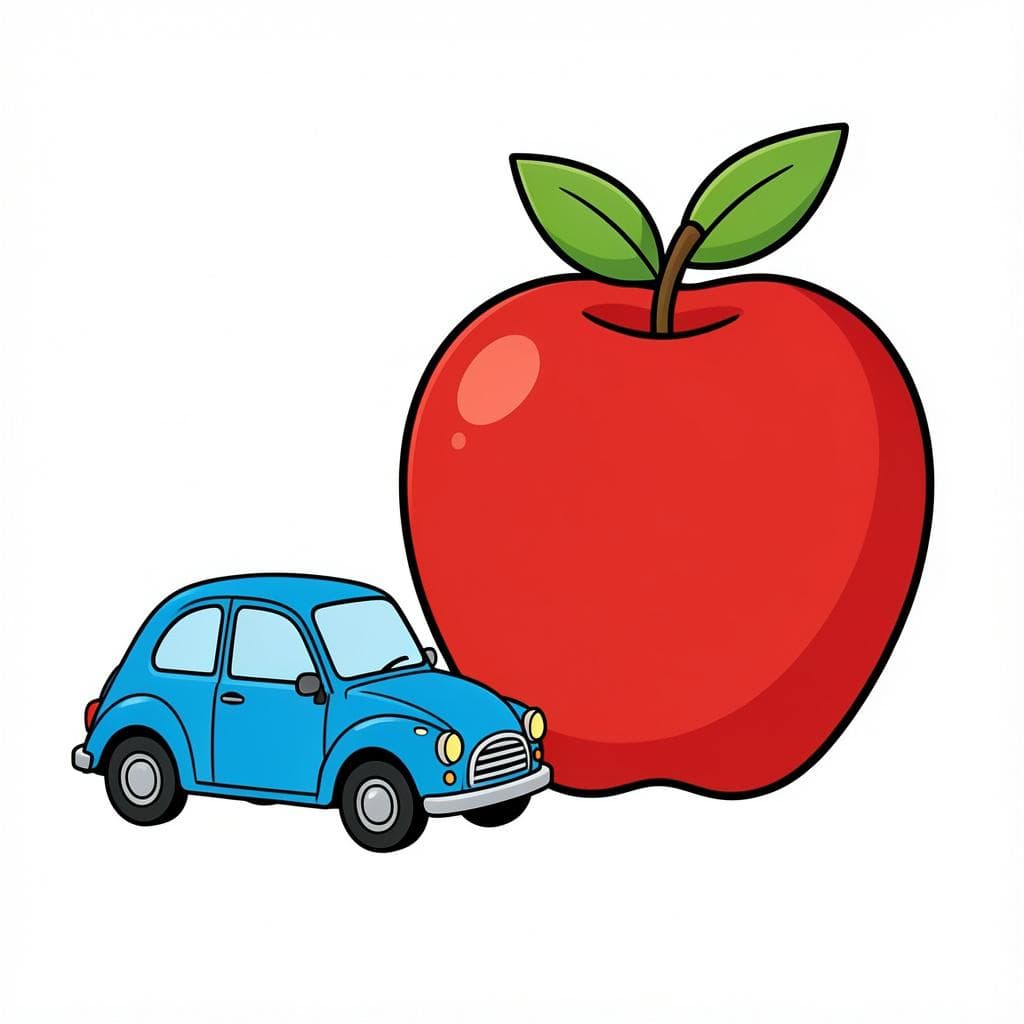
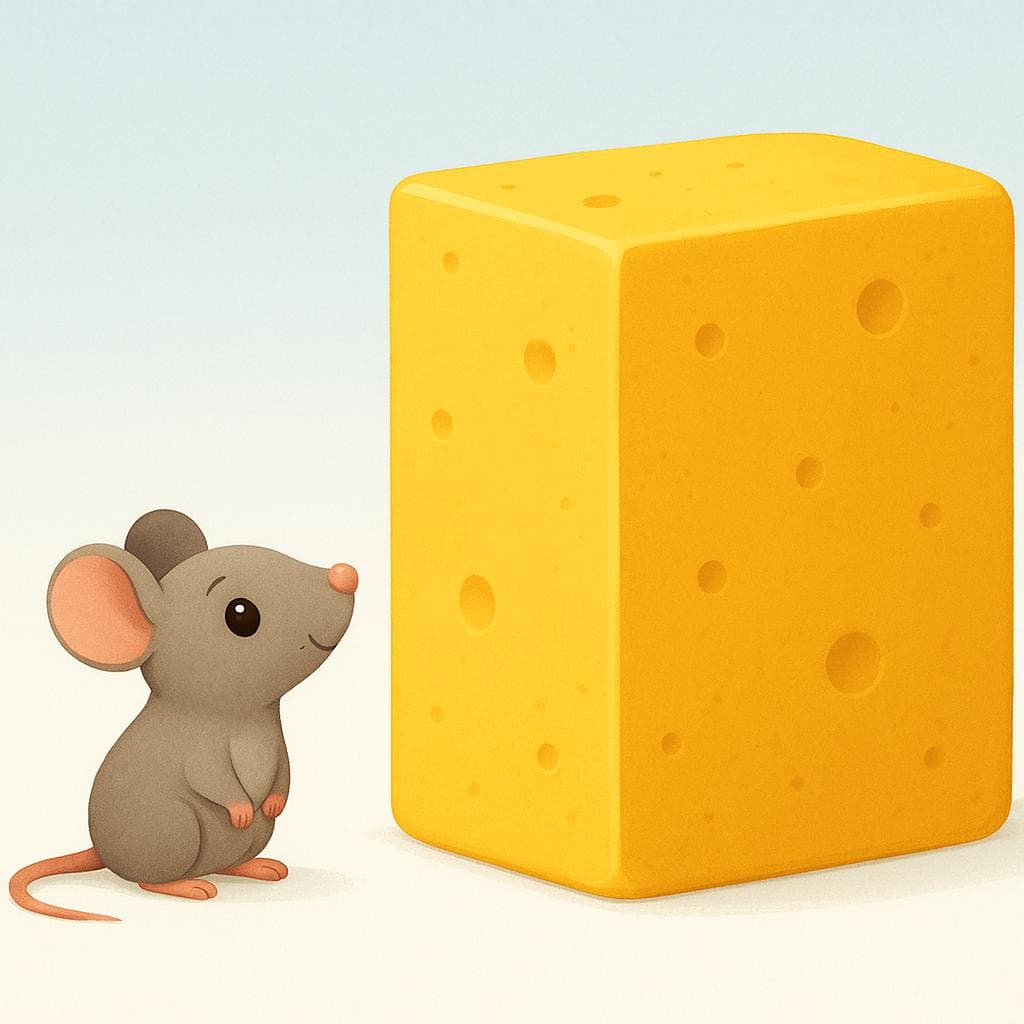
The most common Spanish word for “tiny” is “pequeñas” — use 'pequeñas' for a general, everyday description of something being small in size, often used for countable items. It's the most direct and common translation.

pequeñas
Examples
Quiero comprar unas galletas pequeñas para el café.
I want to buy some small cookies for the coffee.
chiquito
chee-KEE-tohtʃiˈkito

Examples
Tengo un perro chiquito en mi casa.
I have a tiny dog at my house.
El apartamento es chiquito pero muy bonito.
The apartment is very small but very pretty.
Corta el papel en pedazos chiquitos.
Cut the paper into tiny pieces.
The Power of '-ito'
This word comes from 'chico' (small). Adding '-ito' to the end makes it sound even smaller and much more affectionate or 'cute'.
Matching the Noun
Even though we are looking at 'chiquito', remember to change the ending to 'a' (chiquita) if you are describing something feminine, like 'una casa chiquita'.
Short vs. Small
Mistake: “Using 'chiquito' to formally describe a person's height.”
Correction: Use 'bajo' for height. While people say 'chiquito' for short people informally, 'bajo' is the standard way to say 'short'.
pequeñito
Examples
Mi gato es muy pequeñito.
My cat is very tiny.
mini
mee-neeˈmini
Examples
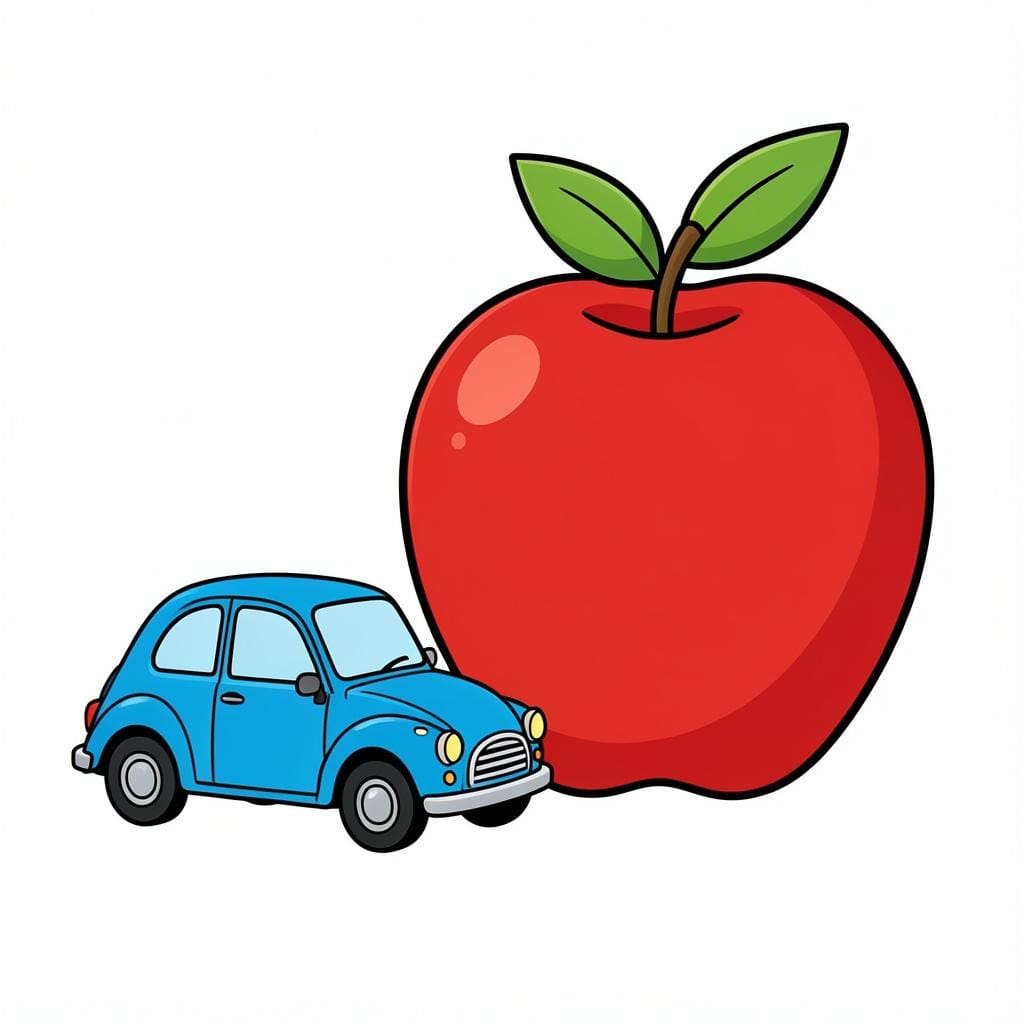
Ella prefiere llevar una falda mini.
She prefers to wear a mini skirt.
Tengo un mini reproductor de música.
I have a mini music player.
One Form Fits All
This word doesn't change its ending. Whether you are describing a masculine or feminine thing, it is always 'mini'.
diminuto
dee-mee-noo-tohdi.mi.ˈnu.to
Examples
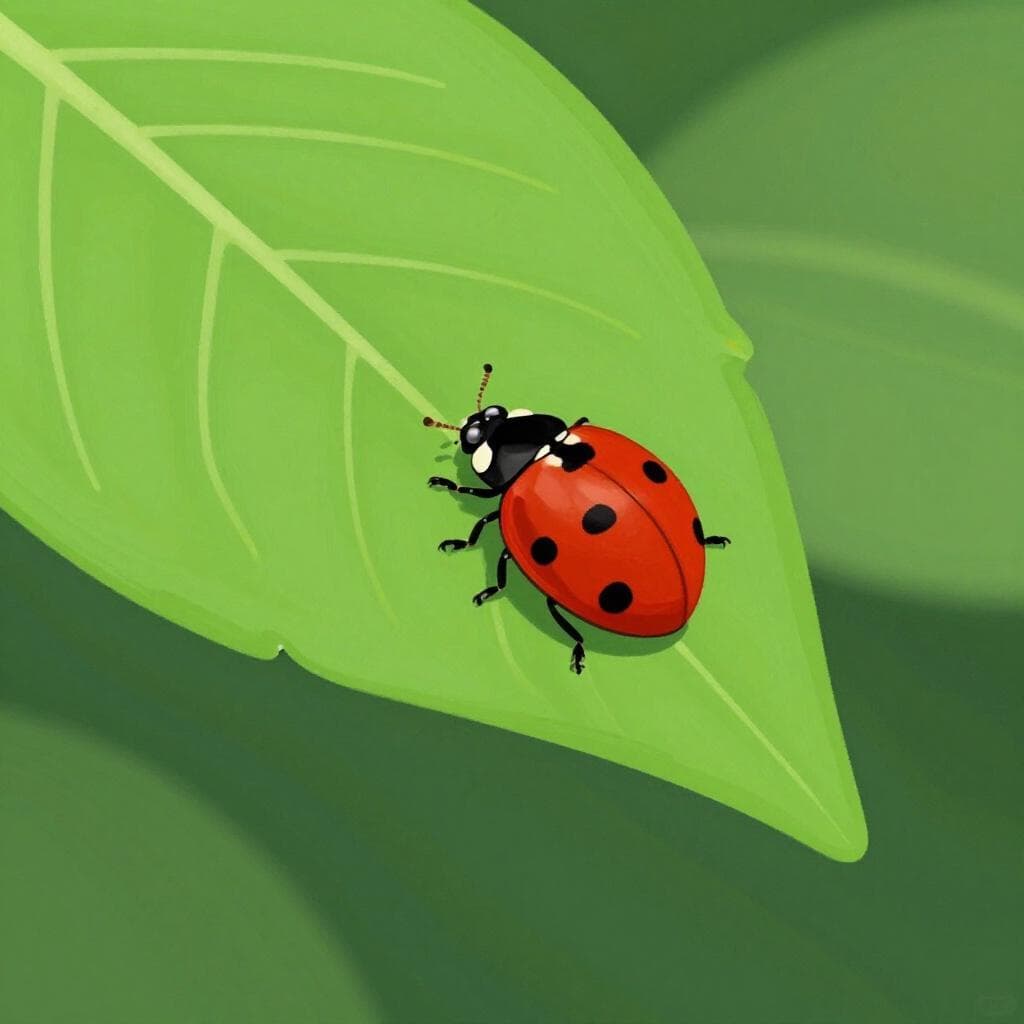
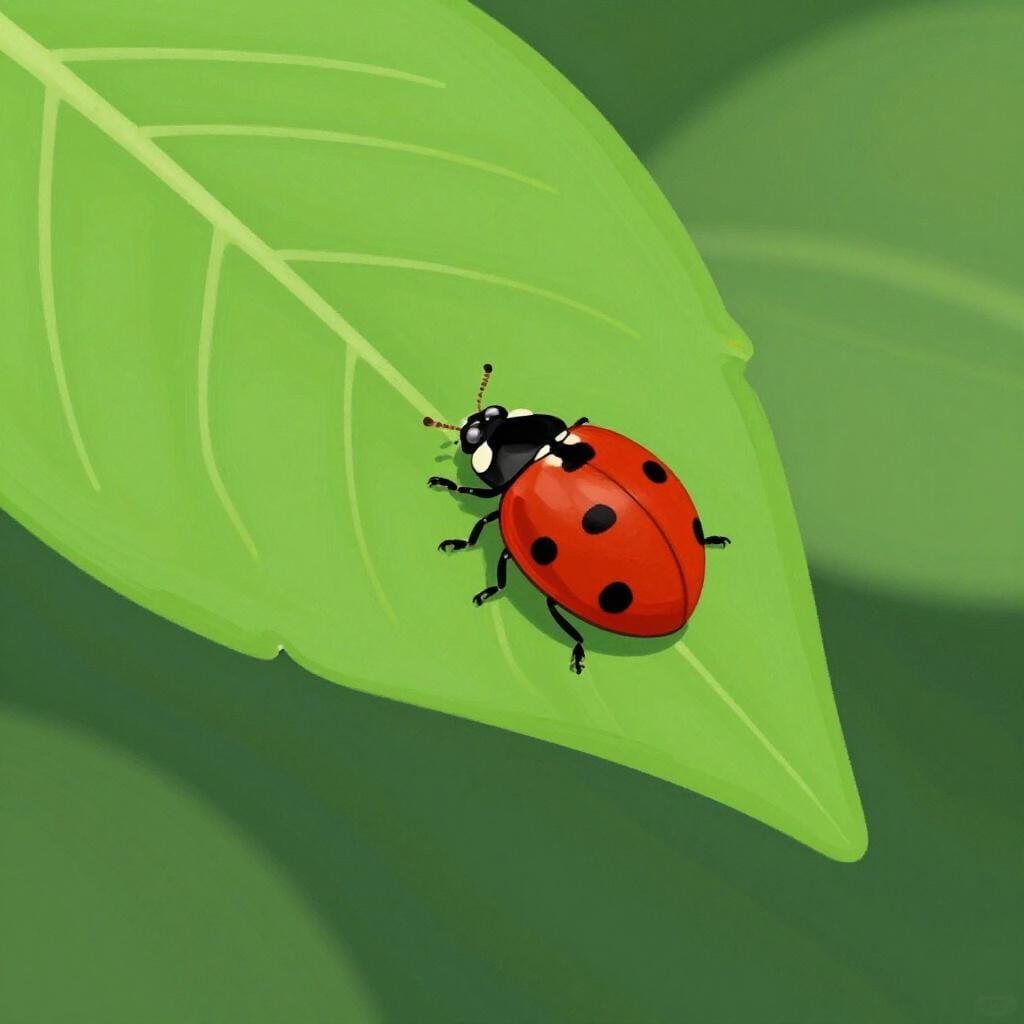
Había un insecto diminuto en la hoja de la planta.
There was a tiny insect on the leaf of the plant.
El texto es tan diminuto que necesito una lupa para leerlo.
The text is so tiny that I need a magnifying glass to read it.
Vieron una isla diminuta desde la ventana del avión.
They saw a tiny island from the airplane window.
Matching the Ending
This word changes its ending based on what you are talking about. Use 'diminuto' for masculine things (like 'un libro') and 'diminuta' for feminine things (like 'una casa').
Stronger than Small
While 'pequeño' just means 'small,' 'diminuto' implies something is much smaller—like 'tiny' or 'microscopic' in English.
Using the wrong ending
Mistake: “La caja es muy diminuto.”
Correction: La caja es muy diminuta. (Because 'caja' is a feminine word, you must change the 'o' to an 'a'.)
menudo
meh-NOO-dohmeˈnuðo
Examples
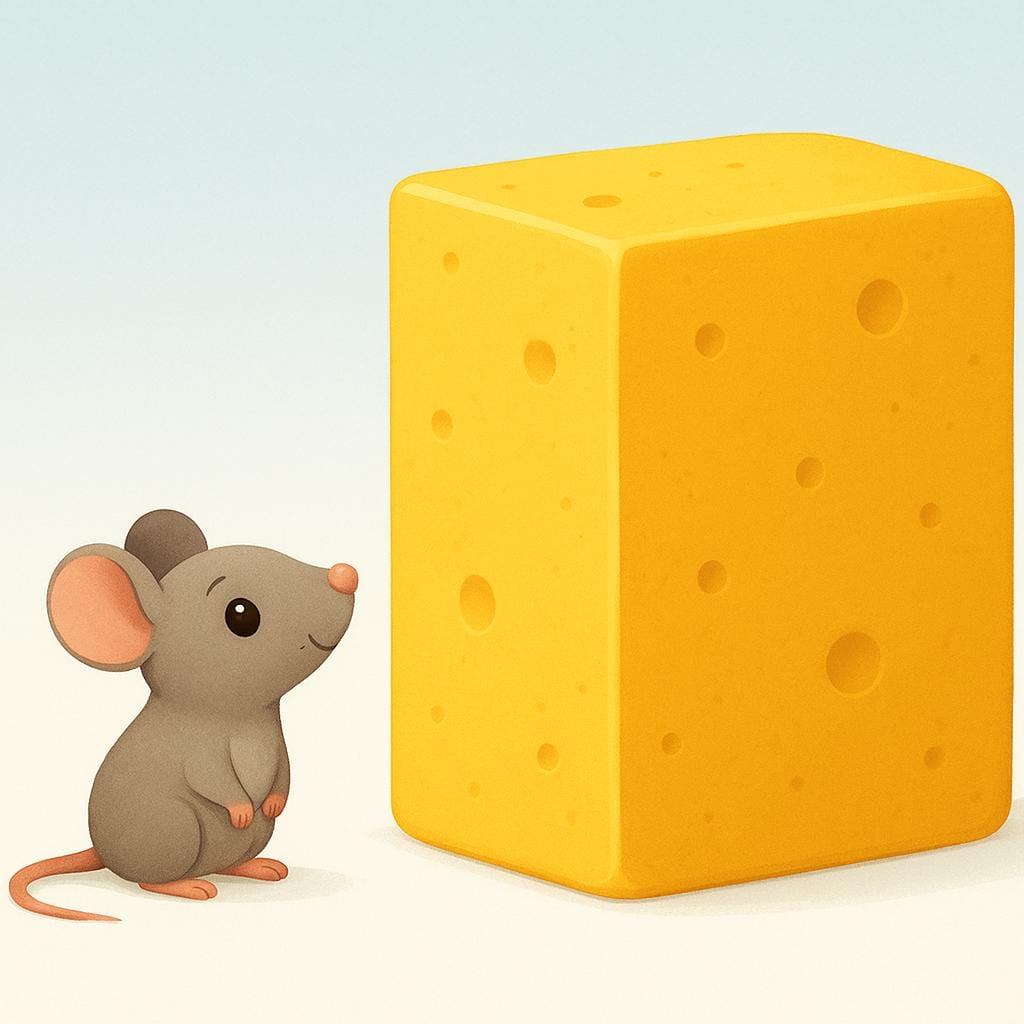
Las cuentas de collar eran tan menudas que casi no las veías.
The necklace beads were so tiny that you could hardly see them.
Se entretiene con cosas menudas y sin importancia.
He gets distracted by petty, unimportant things.
Matching the Noun
Like most Spanish describing words, 'menudo' must change its ending to match the thing it describes: 'menudo' (masculine singular), 'menuda' (feminine singular), 'menudos' (masculine plural), and 'menudas' (feminine plural).
insignificante
een-seeg-nee-fee-KAHN-tehinsiɣnifiˈkante

Examples
La diferencia de precio entre las dos tiendas es insignificante.
The price difference between the two stores is negligible.
Recibió una cantidad insignificante de dinero.
He received a paltry amount of money.
Overusing 'Chiquito'/'Pequeñito' vs. 'Pequeñas'
Related Translations
Learn Spanish with Inklingo
Interactive stories, personalized learning, and more.