permites
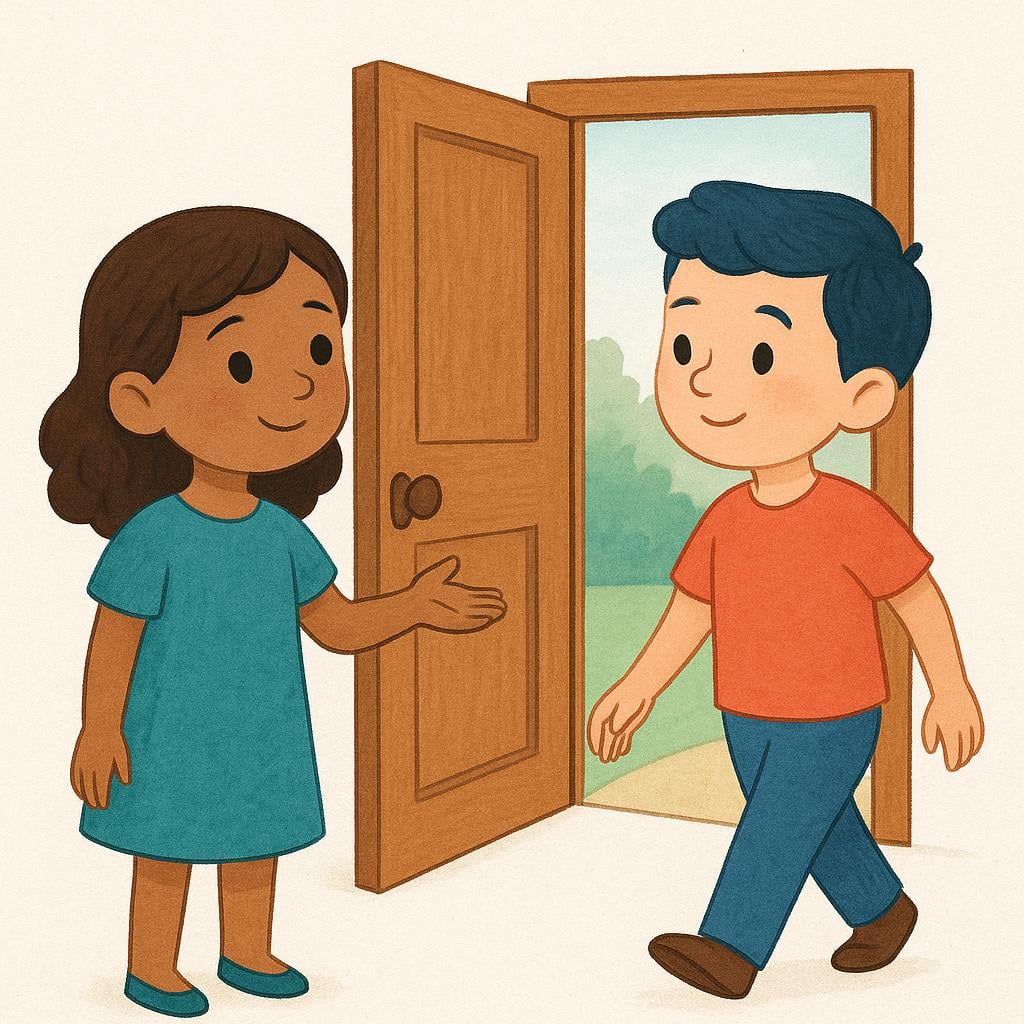
“permites” means “you allow” in Spanish (second person singular, present tense).
you allow, you permitAlso: you make possible
📝 In Action
¿Me permites un minuto para terminar de vestirme?
A2Do you allow me a minute to finish getting dressed?
Si tú me permites usar tu coche, te llevo al aeropuerto.
B1If you allow me to use your car, I'll take you to the airport.
No permites que nadie te diga lo que tienes que hacer.
B1You don't allow anyone to tell you what you have to do.
Word Connections
Subjunctive
Imperfect Subjunctive
Present Subjunctive
Indicative
Imperfect
Present
Preterite
Translate to Spanish
Words that translate to "permites" in Spanish:
✏️ Quick Practice
Quick Quiz: permites
Question 1 of 1
Which sentence correctly uses 'permites'?
📚 More Resources
👥 Word Family
📚 Etymology
Comes from the Latin verb *permittere*, meaning 'to let go,' 'to allow,' or 'to yield.' It is formed by combining *per-* (through, thoroughly) and *mittere* (to send or let go).
First recorded: Old Spanish (around 13th century)
Cognates (Related words)
💡 Master Spanish
Take your Spanish to the next level. Read 200+ illustrated and narrated Spanish stories tailored to your level with the Inklingo app!
Frequently Asked Questions
Is 'permites' the formal or informal way to say 'you allow'?
'Permites' is the informal form (tú). If you are speaking to someone you should address formally (like a boss or a stranger), you must use 'permite' (the usted form).
How do I say 'Allow it!' using the 'tú' form?
You would use the affirmative command form, which is '¡Permite!' (without the 's'). 'Permites' is only used to state a fact ('You allow...').