perpetua
“perpetua” means “perpetual” in Spanish. It has 3 different meanings depending on context:

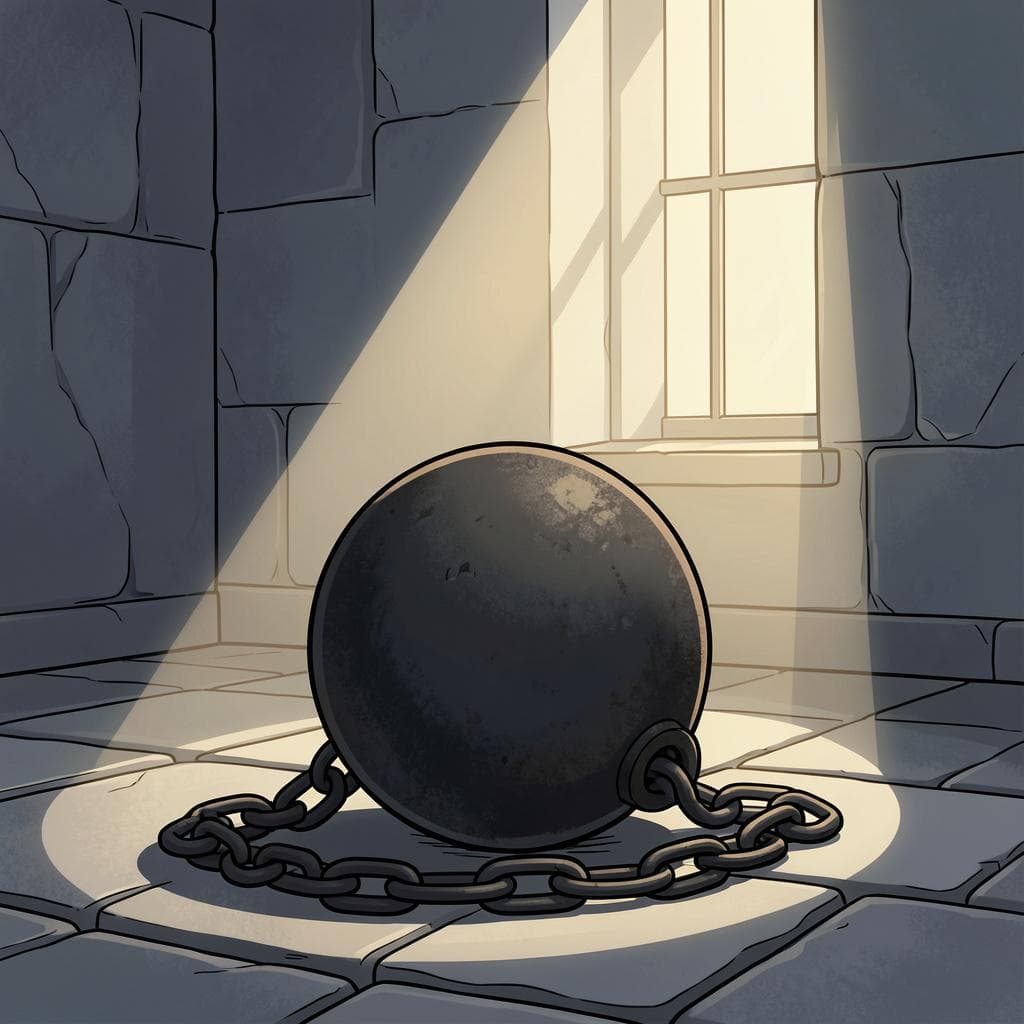

perpetualAlso: lifelong, permanent

📝 In Action
Las cumbres de los Alpes tienen nieve perpetua.
B2The peaks of the Alps have perpetual snow.
Buscaba una solución perpetua para el problema.
B2He was looking for a permanent solution to the problem.
Word Connections
life sentence

📝 In Action
El criminal fue condenado a la perpetua.
C1The criminal was sentenced to life.
Word Connections
perpetuates

📝 In Action
Este sistema perpetua la desigualdad.
B2This system perpetuates inequality.
¡Perpetua el legado de tu abuelo!
C1Perpetuate your grandfather's legacy!
Subjunctive
Imperfect Subjunctive
Present Subjunctive
Indicative
Preterite
Imperfect
Present
Translate to Spanish
Words that translate to "perpetua" in Spanish:
✏️ Quick Practice
Quick Quiz: perpetua
Question 1 of 2
Which of these phrases refers to a life sentence in prison?
📚 More Resources
👥 Word Family
🎵 Rhymes
📚 Etymology
From the Latin 'perpetuus', meaning 'uninterrupted' or 'continuous'.
First recorded: 13th century
Cognates (Related words)
💡 Master Spanish
Take your Spanish to the next level. Read 200+ illustrated and narrated Spanish stories tailored to your level with the Inklingo app!
Frequently Asked Questions
What is the difference between 'eterna' and 'perpetua'?
'Eterna' (eternal) often has a religious or spiritual feel (like 'eternal life'), whereas 'perpetua' (perpetual) is more often used for physical states, legal terms, or formal descriptions.
Is 'perpetua' a common word in daily speech?
No, it's quite formal. You'll mostly see it in the news (legal cases) or in books. In daily life, people use 'para siempre'.