pis
“pis” means “pee” in Spanish. It has 2 different meanings depending on context:
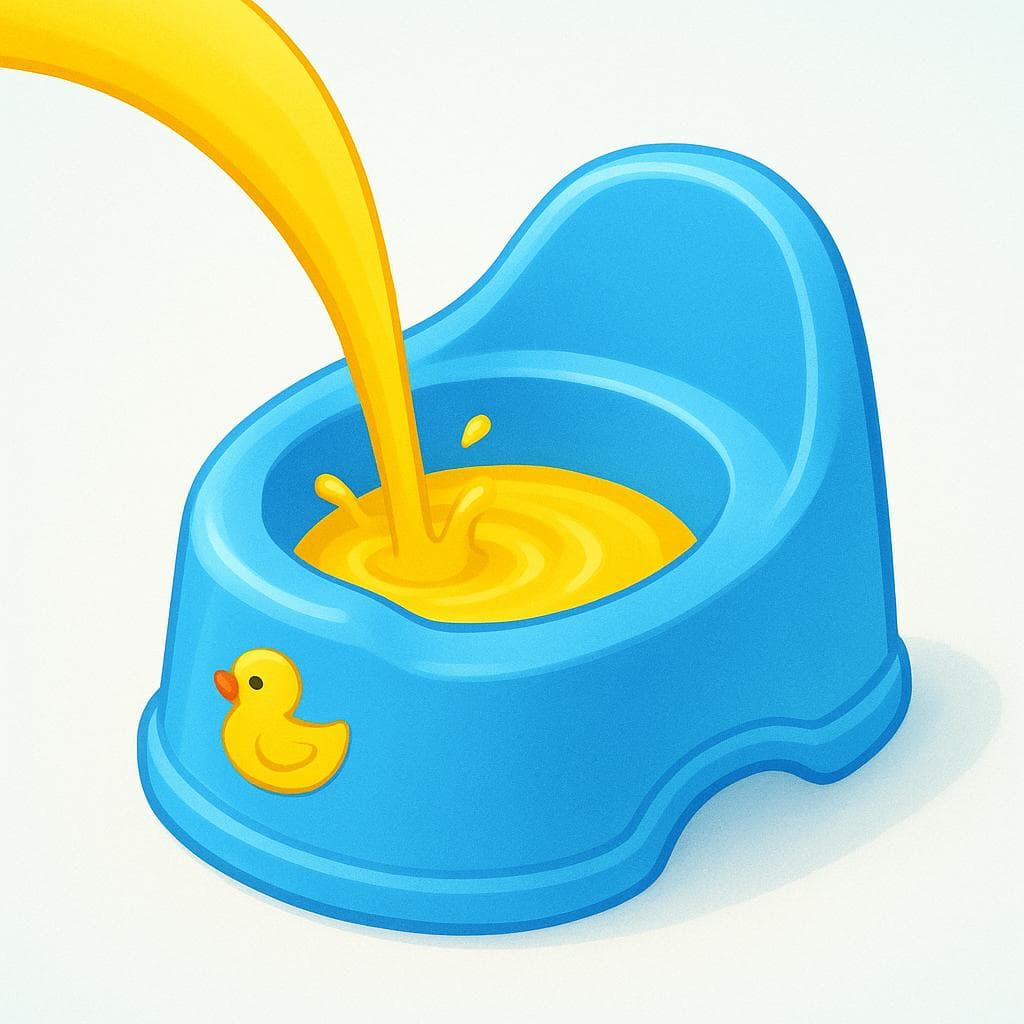

pee
Also: weewee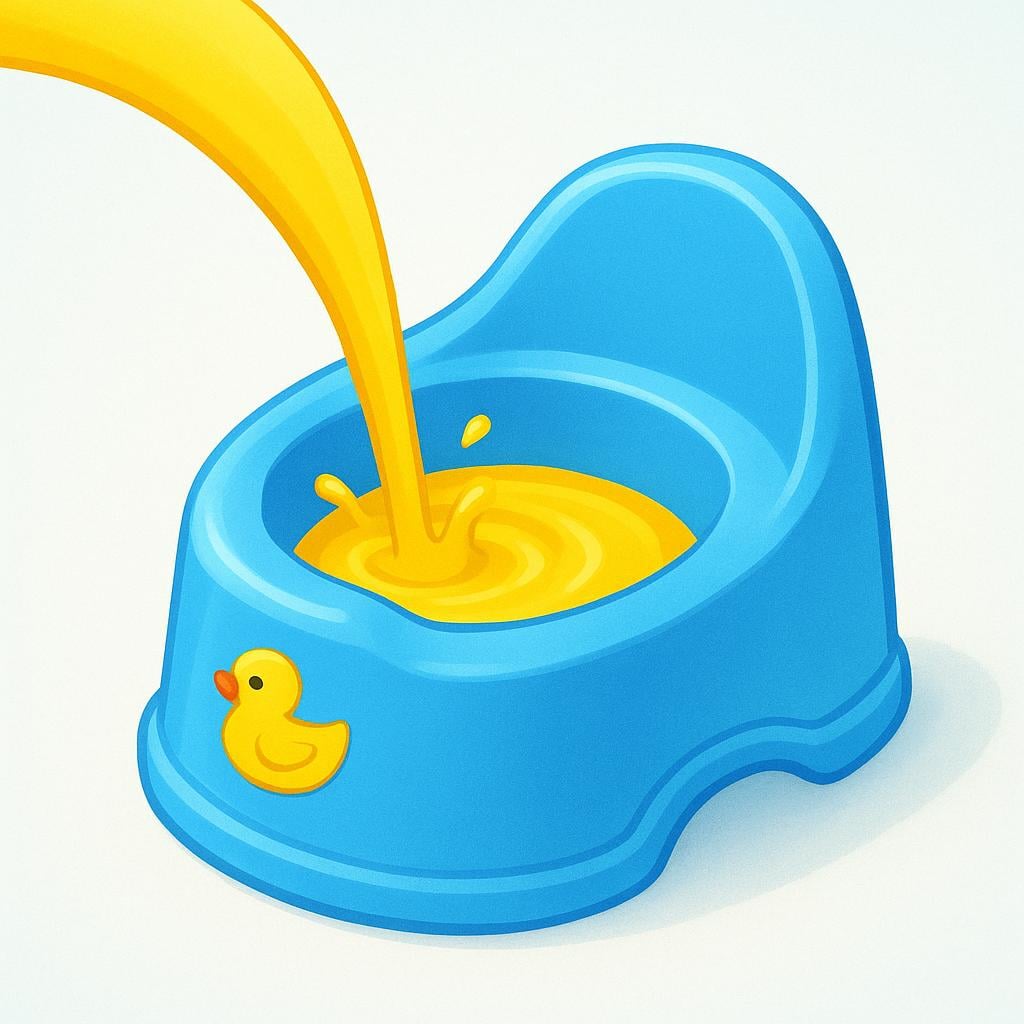
📝 In Action
El niño se despertó porque tenía que hacer pis.
A2The child woke up because he had to pee.
Hay que limpiar la mancha de pis del perro en la alfombra.
B1We have to clean up the dog's pee stain on the carpet.
flat
Also: apartment
📝 In Action
Estamos buscando un pis de tres habitaciones cerca del metro.
A1We are looking for a three-bedroom flat near the subway.
Mi pis está en el quinto piso, así que uso el ascensor.
A2My apartment is on the fifth floor, so I use the elevator.
Translate to Spanish
✏️ Quick Practice
Quick Quiz: pis
Question 1 of 2
Which sentence uses 'pis' to mean 'apartment'?
📚 More Resources
🎵 Rhymes▼
📚 Etymology▼
The two meanings of 'pis' have completely different origins. 1. (Urine) comes from an imitative root reflecting the sound of urinating, similar to the French 'pisser.' 2. (Flat/Apartment) is a modern shortening of the Spanish word 'piso' (apartment/floor).
First recorded: Both usages became common in the 20th century, though the root for 'urine' is much older.
Cognates (Related words)
💡 Master Spanish
Take your Spanish to the next level. Read 200+ illustrated and narrated Spanish stories tailored to your level with the Inklingo app!
Frequently Asked Questions
Why does 'pis' have two totally different meanings?
This is a case of homonyms—two different words that happen to sound and be spelled the same. One meaning ('pee') comes from an ancient sound-word root, and the other ('flat') is a modern, regional shortening of the word 'piso'.
Is 'pis' (urine) considered rude?
No, it is informal but generally not considered rude or vulgar in Spain. It is the common, everyday term, especially when talking about children or animals. For formal medical contexts, use 'orina'.