pobreza
“pobreza” means “poverty” in Spanish. It has 2 different meanings depending on context:

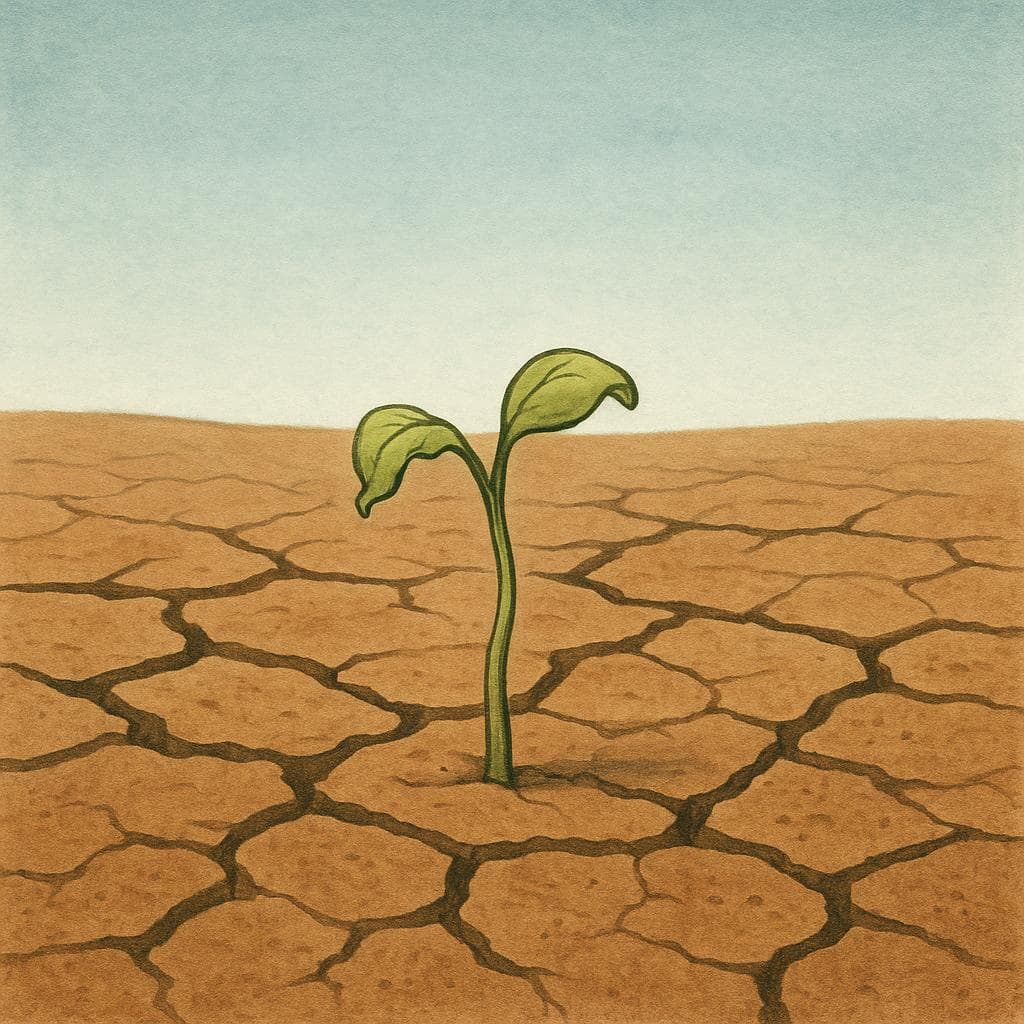
povertyAlso: destitution

📝 In Action
El gobierno implementó nuevos programas para reducir la pobreza.
B1The government implemented new programs to reduce poverty.
Viven en la pobreza extrema, sin acceso a agua potable.
B2They live in extreme poverty, without access to drinking water.
Mucha gente sufre de pobreza en el mundo.
A2Many people suffer from poverty in the world.
Word Connections
meagernessAlso: scarcity, deficiency
📝 In Action
La pobreza de ideas en la reunión fue frustrante.
B2The meagerness of ideas at the meeting was frustrating.
Criticaron la pobreza de su estilo literario.
C1They criticized the deficiency (or meagerness) of his literary style.
Word Connections
Translate to Spanish
Words that translate to "pobreza" in Spanish:
✏️ Quick Practice
Quick Quiz: pobreza
Question 1 of 1
Which sentence uses 'pobreza' in its figurative sense (meaning lack of quality, not money)?
📚 More Resources
👥 Word Family
📚 Etymology
The word comes directly from the Spanish adjective 'pobre' (poor), combined with the common noun ending '-eza', which is used to form abstract nouns describing a quality or state (like 'belleza' from 'bello'). 'Pobre' itself descends from the Latin word *pauper*.
First recorded: 13th century
Cognates (Related words)
💡 Master Spanish
Take your Spanish to the next level. Read 200+ illustrated and narrated Spanish stories tailored to your level with the Inklingo app!
Frequently Asked Questions
How is 'pobreza' different from 'miseria'?
Both mean 'poverty,' but 'miseria' is stronger. 'Pobreza' is the general state of being poor. 'Miseria' usually implies extreme poverty, destitution, and a state of suffering or misery.
What is the related adjective?
The adjective is 'pobre,' which means 'poor.' (e.g., 'una familia pobre' — a poor family).