pondremos
“pondremos” means “we will put” in Spanish. It has 2 different meanings depending on context:

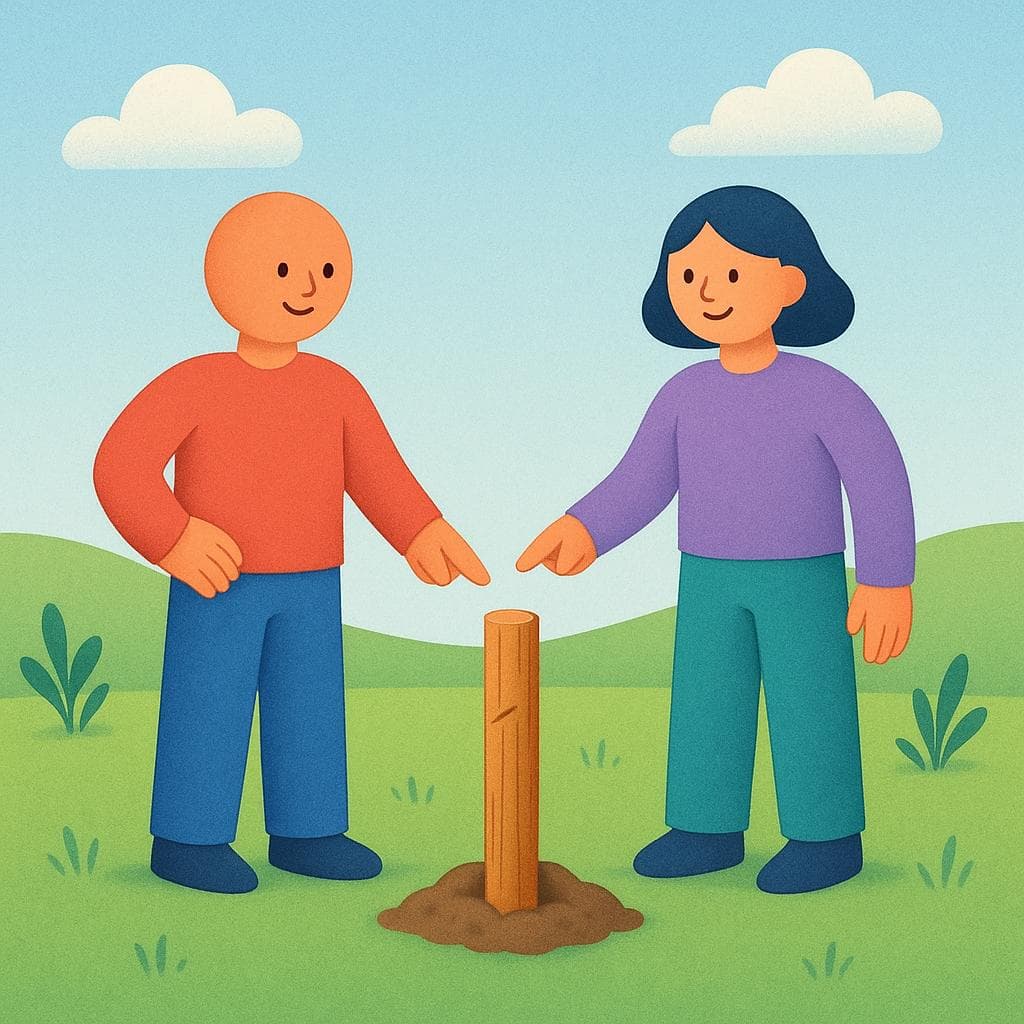
we will put, we will place
Also: we will set
📝 In Action
Esta tarde pondremos la mesa para la cena.
A1This afternoon we will set the table for dinner.
Cuando lleguemos a casa, pondremos las maletas en el suelo.
A2When we arrive home, we will put the suitcases on the floor.
we will set, we will decide on
Also: we will assign
📝 In Action
Pondremos una fecha para la reunión la próxima semana.
B1We will set a date for the meeting next week.
Juntos pondremos las reglas del juego.
B1Together we will establish the rules of the game.
Si trabajamos rápido, pondremos fin a este problema.
B2If we work quickly, we will put an end to this problem.
🔄 Conjugations
indicative
present
imperfect
preterite
subjunctive
present
imperfect
✏️ Quick Practice
Quick Quiz: pondremos
Question 1 of 1
Which sentence correctly uses 'pondremos' to mean 'we will set/establish'?
📚 More Resources
👥 Word Family▼
📚 Etymology▼
'Poner' comes directly from the Latin verb *pōnere*, which meant 'to put, place, or set down.' The future form 'pondremos' maintains the core meaning of a planned future placement or action.
First recorded: Old Spanish (around 10th-11th century)
Cognates (Related words)
💡 Master Spanish
Take your Spanish to the next level. Read 200+ illustrated and narrated Spanish stories tailored to your level with the Inklingo app!
Frequently Asked Questions
Why is 'pondremos' irregular in the future tense?
'Poner' is one of the ten most important verbs in Spanish that change their root when forming the future and conditional tenses. Instead of using the full infinitive ('poner'), it uses the shortened, changed root 'pondr-'. This makes the word easier and faster to say.
How is 'pondremos' different from 'colocaremos'?
Both mean 'we will place/put.' 'Pondremos' is much more common and versatile, used for everything from setting a date to putting on clothes. 'Colocaremos' is slightly more formal and usually refers specifically to careful physical placement or arrangement.