ponme
“ponme” means “serve me” in Spanish (Ordering food or drink).
serve me, give me
Also: put me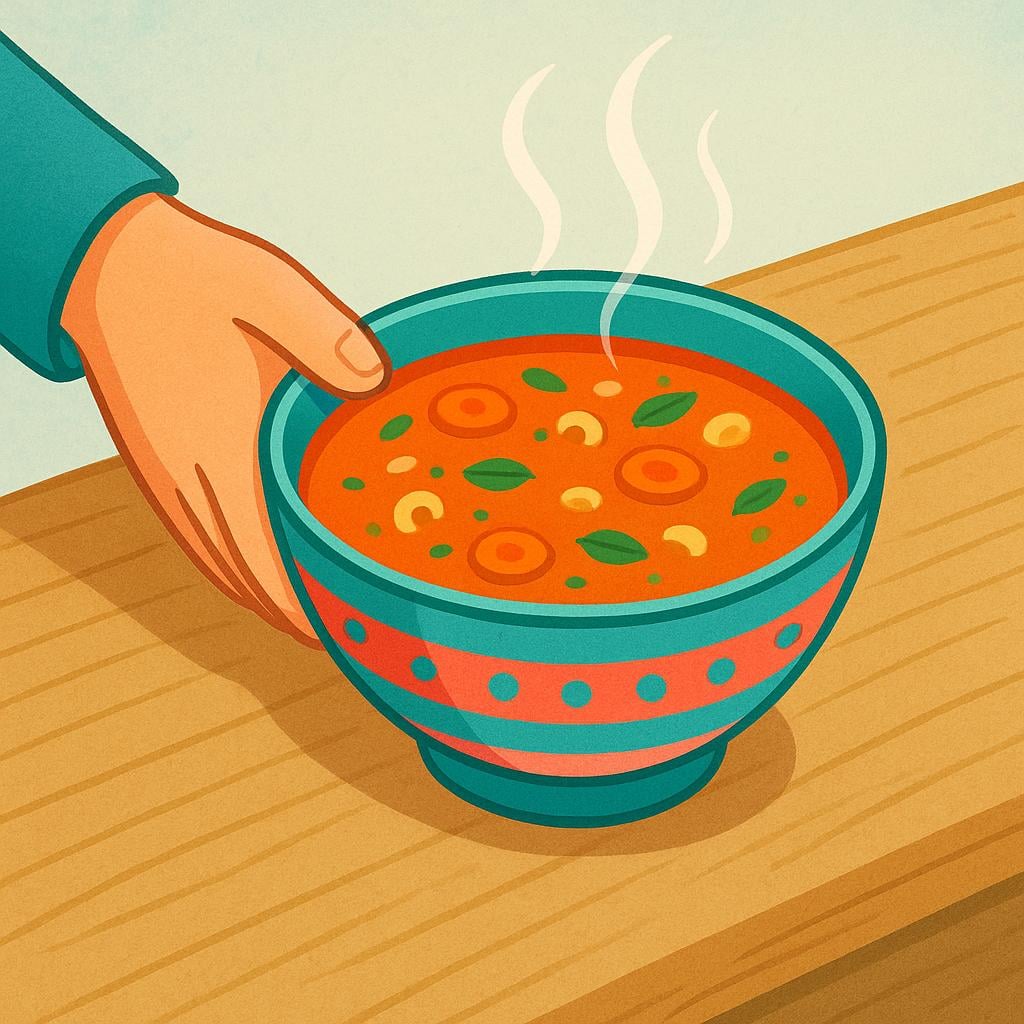
📝 In Action
¡Ponme una cerveza bien fría, por favor!
A2Serve me a really cold beer, please!
Ponme el teléfono en modo silencio.
B1Put the phone on silent mode for me.
¿Me puedes poner más salsa? Ponme un poco más.
A2Can you give me more sauce? Give me a bit more.
✏️ Quick Practice
Quick Quiz: ponme
Question 1 of 1
Which English phrase is the most natural translation for 'Ponme un poco de hielo' in a bar setting?
📚 More Resources
👥 Word Family▼
📚 Etymology▼
Formed by combining the irregular informal imperative of the Latin-derived verb *poner* ('to place') with the object pronoun *me*.
First recorded: This structure (verb + attached object pronoun) dates back to early Romance languages.
Cognates (Related words)
💡 Master Spanish
Take your Spanish to the next level. Read 200+ illustrated and narrated Spanish stories tailored to your level with the Inklingo app!
Frequently Asked Questions
Why is the accent mark not used on 'ponme'?
Spanish rules generally state that when attaching pronouns to a single-syllable verb command (like 'pon'), you do not add an accent mark, even though the spoken stress falls on the 'pon' syllable.
How do I make this command more formal (using Usted)?
You would use the formal command form, which changes the verb ending and places the pronoun *before* the verb: 'Me pone...' or the more emphatic command 'Póngame'.