provocación
“provocación” means “provocation” in Spanish. It has 2 different meanings depending on context:
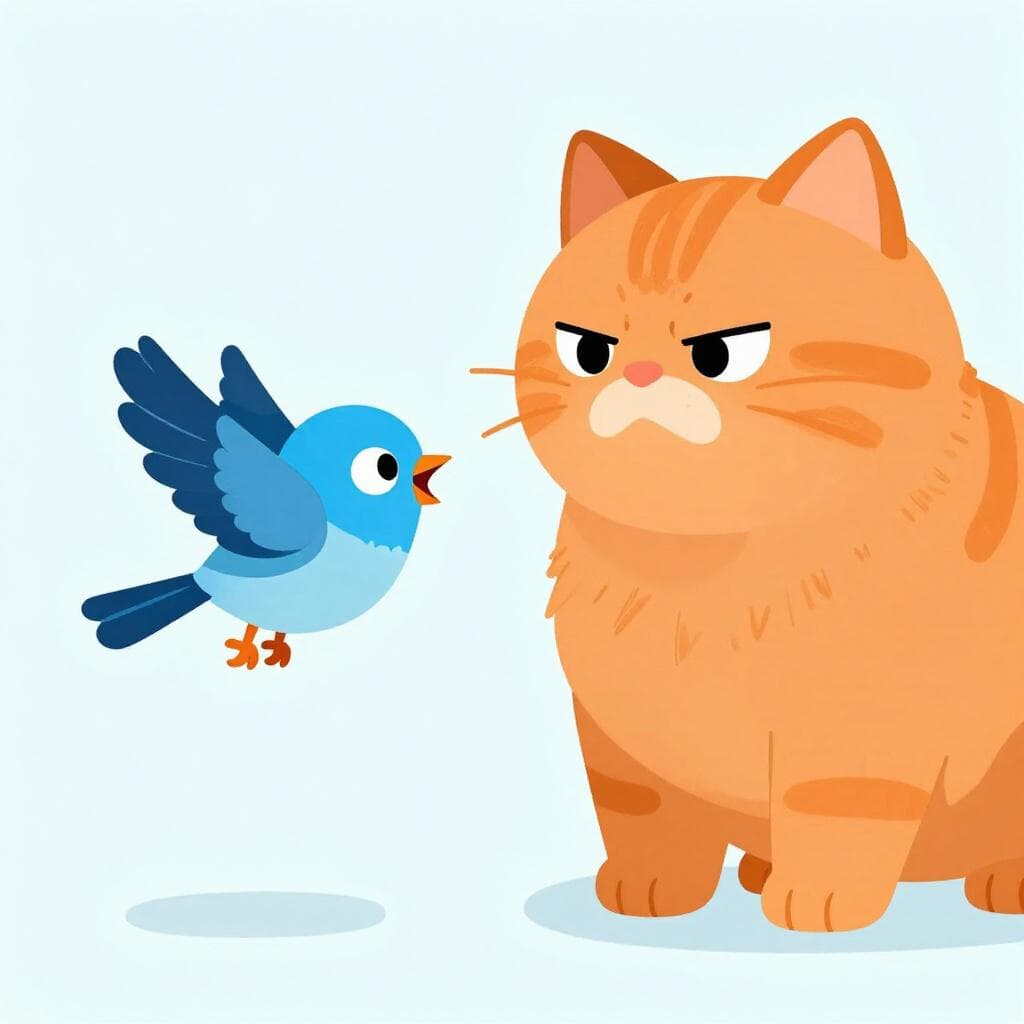

provocation
Also: taunt, incitement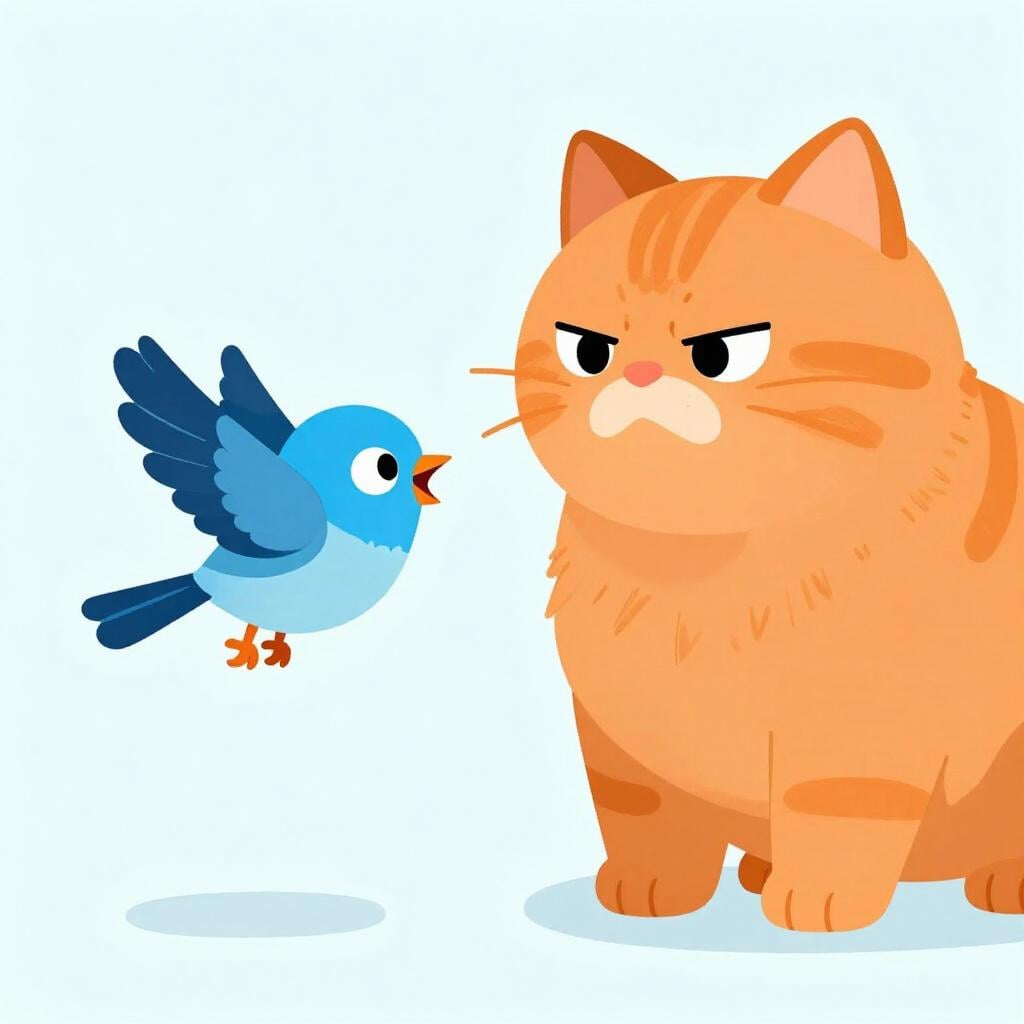
📝 In Action
No respondas a sus insultos; es solo una provocación.
B1Don't respond to their insults; it's just a provocation.
La policía consideró el gesto como una provocación innecesaria.
B2The police considered the gesture an unnecessary provocation.
Ante tal provocación, fue difícil mantener la calma.
C1In the face of such provocation, it was hard to stay calm.
provocativeness
Also: boldness
📝 In Action
El artista busca la provocación para hacer pensar al público.
B2The artist seeks to be provocative to make the audience think.
Su ropa era una provocación para la sociedad conservadora de la época.
C1Their clothes were a challenge to the conservative society of the time.
Translate to Spanish
✏️ Quick Practice
Quick Quiz: provocación
Question 1 of 3
Which of these is the correct way to say 'the provocation'?
📚 More Resources
👥 Word Family▼
🎵 Rhymes▼
📚 Etymology▼
From the Latin 'provocatio', which comes from 'pro-' (forward/forth) and 'vocare' (to call). Essentially, it means 'calling someone forth' to a fight or a reaction.
First recorded: 13th century
Cognates (Related words)
💡 Master Spanish
Take your Spanish to the next level. Read 200+ illustrated and narrated Spanish stories tailored to your level with the Inklingo app!
Frequently Asked Questions
Is 'provocación' always a bad thing?
Not necessarily! In the context of art or social change, it can mean pushing boundaries to make people think. However, in personal relationships, it usually refers to trying to start an argument.
What is the plural of 'provocación'?
The plural is 'provocaciones'. Notice that when we add the plural ending, the accent mark on the 'o' disappears.
How do you say 'to provoke'?
The verb is 'provocar'. For example: 'No me provoques' means 'Don't provoke me'.