pulmón
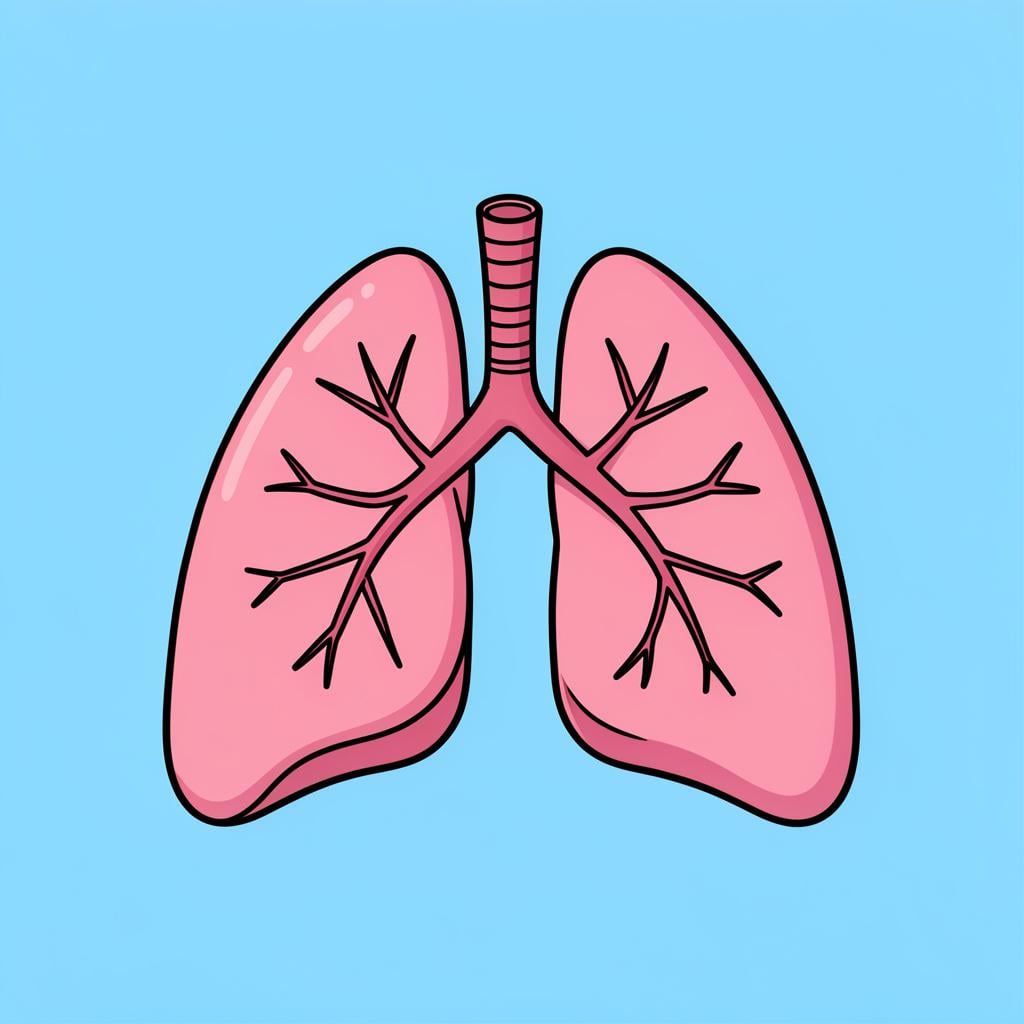
“pulmón” means “lung” in Spanish. It has 3 different meanings depending on context:



lungAlso: breathing organ
📝 In Action
El médico me escuchó el pulmón derecho.
A2The doctor listened to my right lung.
Fumar es muy malo para los pulmones.
A1Smoking is very bad for the lungs.
Siento un dolor en el pulmón cuando respiro hondo.
B1I feel a pain in my lung when I breathe deeply.
Word Connections
lungAlso: green space

📝 In Action
El parque del Retiro es el pulmón de Madrid.
B1The Retiro park is the lung of Madrid.
El Amazonas es considerado el pulmón del planeta.
B2The Amazon is considered the planet's lung.
Word Connections
with sheer effortAlso: unassisted

📝 In Action
Levantó su negocio a pulmón, sin ayuda de nadie.
C1He built his business with sheer effort, without anyone's help.
Word Connections
Translate to Spanish
Words that translate to "pulmón" in Spanish:
✏️ Quick Practice
Quick Quiz: pulmón
Question 1 of 2
What happens to the accent mark when 'pulmón' becomes plural ('pulmones')?
📚 More Resources
👥 Word Family
🎵 Rhymes
📚 Etymology
From the Latin 'pulmo' (lung), which is also where we get the English word 'pulmonary'.
First recorded: 13th century
Cognates (Related words)
💡 Master Spanish
Take your Spanish to the next level. Read 200+ illustrated and narrated Spanish stories tailored to your level with the Inklingo app!
Frequently Asked Questions
Is it 'el pulmón' or 'la pulmón'?
It is always masculine: 'el pulmón'.
Does it mean the same as 'pulmonía'?
No. 'Pulmón' is the organ (lung), while 'pulmonía' is the illness (pneumonia).