pánico
“pánico” means “panic” in Spanish (sudden overwhelming fear).
panic
Also: terror, fright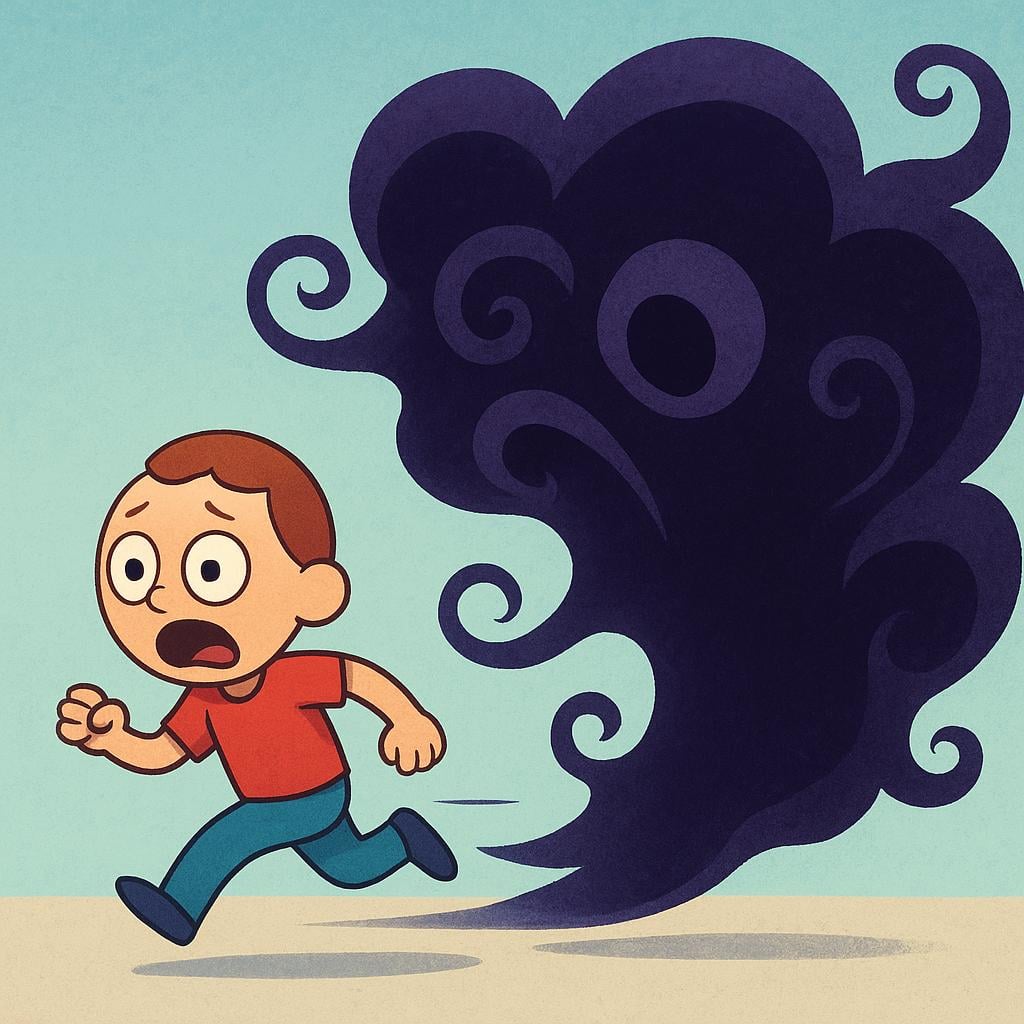
📝 In Action
Cuando vio el humo, entró en pánico y no supo qué hacer.
B1When he saw the smoke, he panicked and didn't know what to do.
La noticia de la tormenta sembró el pánico entre los turistas.
B2The news of the storm spread panic among the tourists.
Sufrió un ataque de pánico en medio de la reunión.
C1She suffered a panic attack in the middle of the meeting.
✏️ Quick Practice
Quick Quiz: pánico
Question 1 of 1
Which phrase is the most natural way to say 'The crowd panicked'?
📚 More Resources
👥 Word Family▼
🎵 Rhymes▼
📚 Etymology▼
This word comes from the Greek god Pan. Ancient Greeks believed Pan caused sudden, irrational, and overwhelming fear in people who disturbed his solitude, especially travelers in isolated places. This fear was named after him.
First recorded: 15th century (in Spanish)
Cognates (Related words)
💡 Master Spanish
Take your Spanish to the next level. Read 200+ illustrated and narrated Spanish stories tailored to your level with the Inklingo app!
Frequently Asked Questions
Is 'pánico' countable or uncountable?
'Pánico' is usually treated as an uncountable noun, like 'fear' or 'calm.' However, you can use the plural 'pánicos' when referring to multiple instances or types of panic attacks, though this is less common.
How do I say 'panicky' in Spanish?
The adjective form is 'panicoso' or 'paniquiento' (less common), but often native speakers will just use a phrase like 'estar lleno de pánico' (to be full of panic).