quedará
“quedará” means “will remain” in Spanish. It has 3 different meanings depending on context:
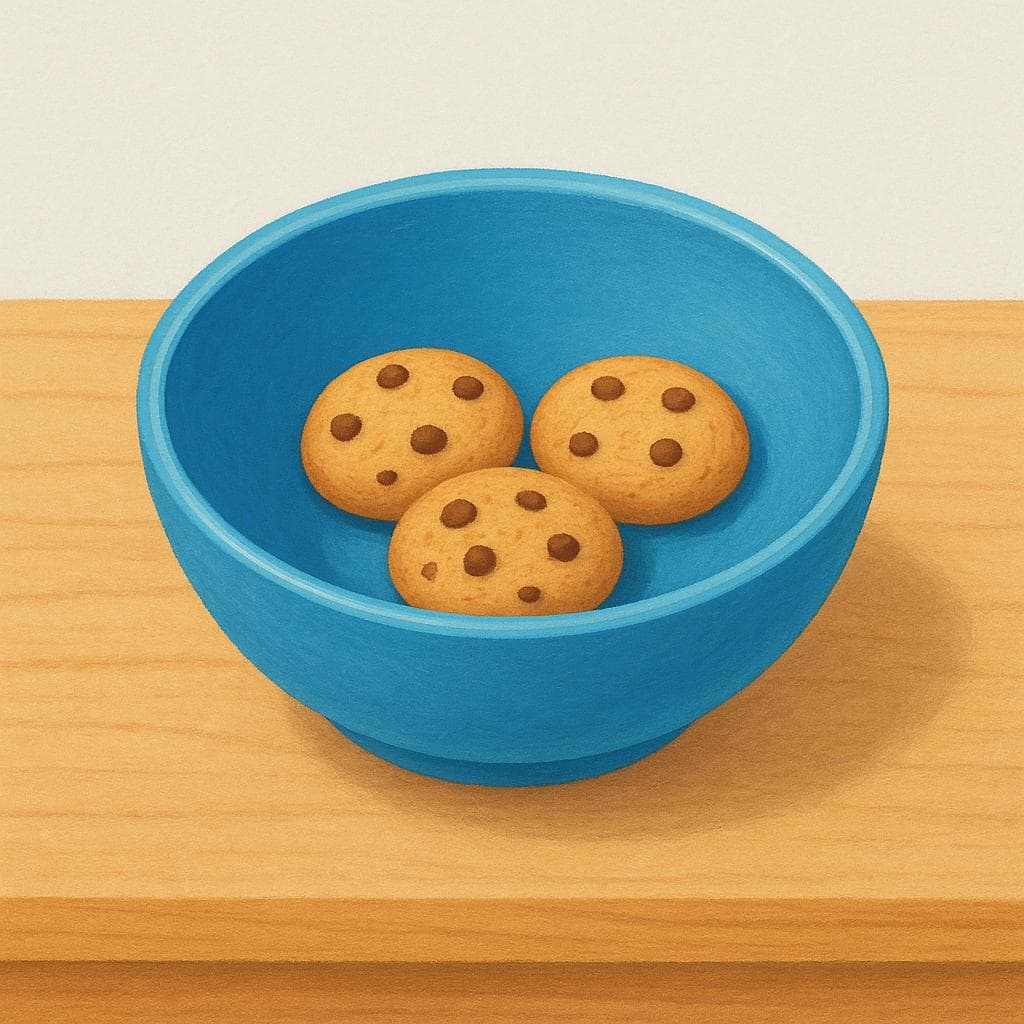

will remain
Also: will be left, will stay
📝 In Action
Después de la fiesta, solo quedará la mitad del pastel.
A2After the party, only half of the cake will remain.
Si no te apuras, no quedará nada para ti.
B1If you don't hurry, nothing will be left for you.
will be located
Also: will turn out to be
📝 In Action
La nueva estación de tren quedará cerca de la universidad.
A2The new train station will be located near the university.
Veremos cómo quedará el proyecto después de tu ayuda.
B1We will see how the project turns out after your help.
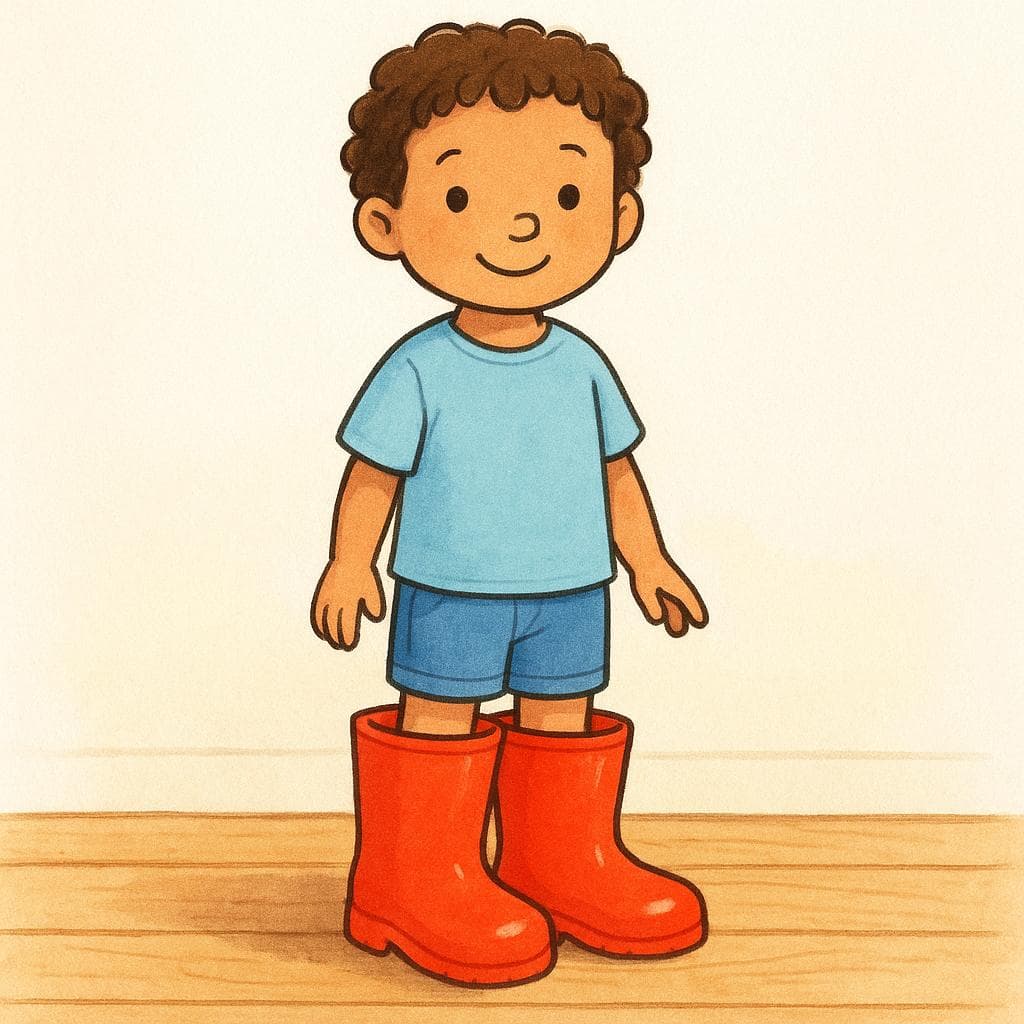
will fit
Also: will look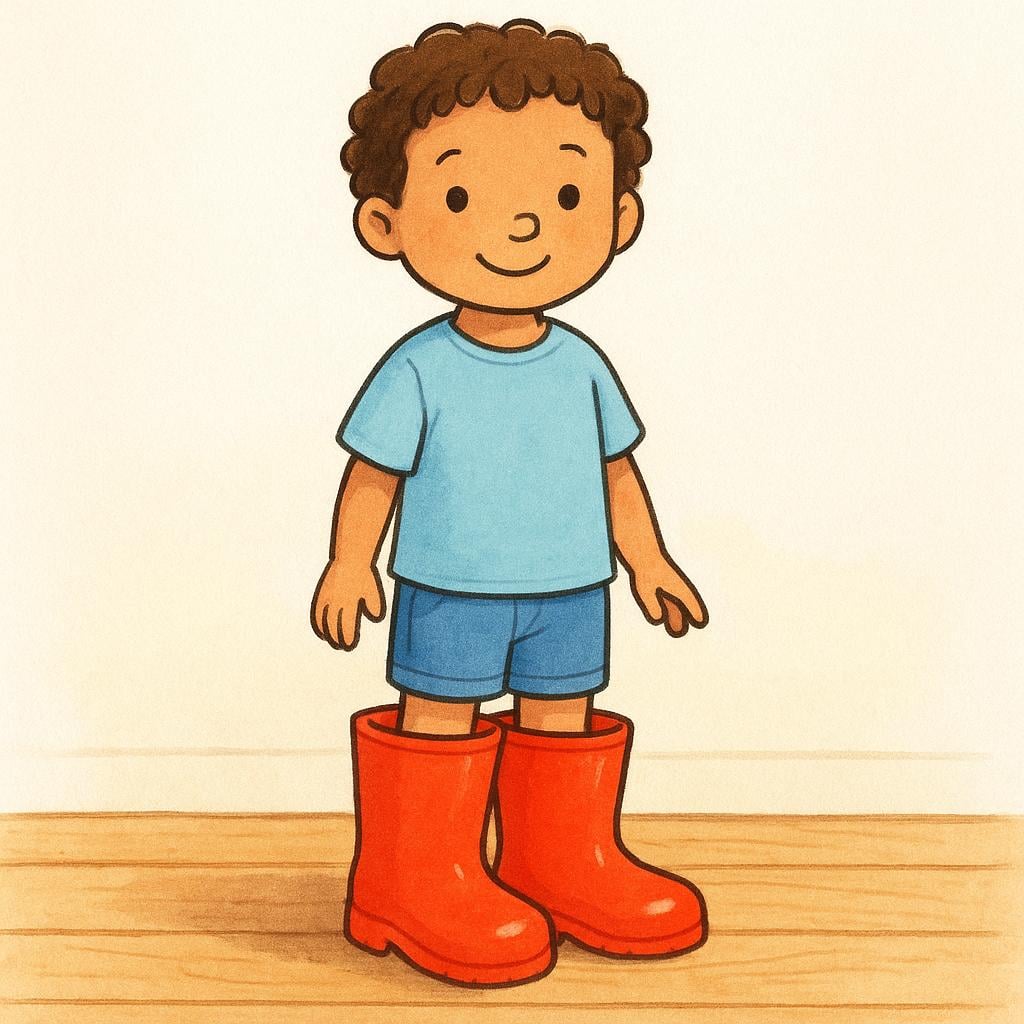
📝 In Action
Creo que esta camisa te quedará demasiado grande.
A1I think this shirt will be too big for you (will fit you too big).
Con esa corbata, el traje le quedará muy elegante.
B1With that tie, the suit will look very elegant on him.
🔄 Conjugations
indicative
present
imperfect
preterite
subjunctive
present
imperfect
Translate to Spanish
✏️ Quick Practice
Quick Quiz: quedará
Question 1 of 2
Which sentence correctly uses 'quedará' to talk about a future appointment?
📚 More Resources
👥 Word Family▼
📚 Etymology▼
The verb 'quedar' comes from the Latin word *quietare*, which meant 'to quiet down' or 'to settle.' Over time, this sense of 'settling' evolved into 'staying put' or 'remaining' in a certain place or state.
First recorded: 13th century
Cognates (Related words)
💡 Master Spanish
Take your Spanish to the next level. Read 200+ illustrated and narrated Spanish stories tailored to your level with the Inklingo app!
Frequently Asked Questions
Why does 'quedará' have an accent mark?
The accent mark on the final 'a' (quedará) is essential because it indicates the stress falls on the last syllable, which is a characteristic of the simple future tense in Spanish. If you remove the accent, the word changes to 'queda' (present tense, he/she/it remains).
Is 'quedará' the same as 'se quedará'?
No, they are related but different! 'Quedará' means 'it will remain' or 'it will be located.' 'Se quedará' (the reflexive form) means 'he/she/it will stay behind' or 'he/she/it will keep (something).'