quedarás
“quedarás” means “you will remain” in Spanish. It has 2 different meanings depending on context:
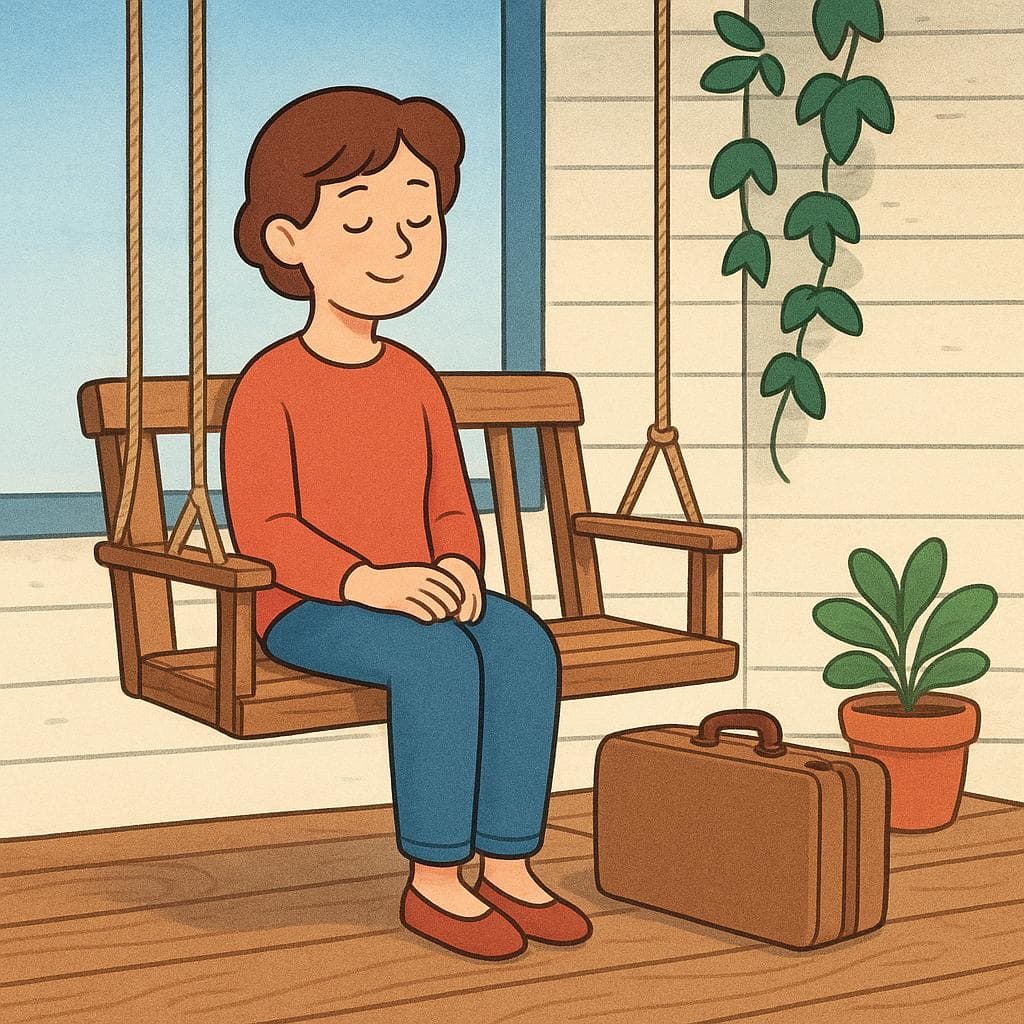

you will remain, you will be left withAlso: you will fit

📝 In Action
Si llegas tarde, quedarás sin pastel.
A2If you arrive late, you will be left without cake.
En esa ciudad, quedarás cerca de la playa.
B1In that city, you will be located near the beach.
Con esa dieta, quedarás mucho más delgado.
B1With that diet, you will end up much thinner.
Word Connections
you will meet, you will arrange to see

📝 In Action
Dime la hora y quedarás con él en el café.
B1Tell me the time and you will meet him at the cafe.
¿Cuándo quedarás con tu dentista para el chequeo?
B1When will you arrange to see your dentist for the check-up?
Word Connections
Indicative
Present
Imperfect
Preterite
Subjunctive
Present Subjunctive
Imperfect Subjunctive
✏️ Quick Practice
Quick Quiz: quedarás
Question 1 of 1
Which sentence correctly uses 'quedarás' to talk about a future appointment?
📚 More Resources
👥 Word Family
🎵 Rhymes
📚 Etymology
The verb 'quedar' comes from the Latin *quietare*, meaning 'to calm,' which evolved in Spanish to mean 'to stop moving' or 'to remain still,' hence its current meanings of 'to stay' or 'to be left over.'
First recorded: 13th century
Cognates (Related words)
💡 Master Spanish
Take your Spanish to the next level. Read 200+ illustrated and narrated Spanish stories tailored to your level with the Inklingo app!
Frequently Asked Questions
What is the difference between 'quedarás' and 'te quedarás'?
'Quedarás' (simple form) usually talks about location, result, or making plans ('You will meet'). 'Te quedarás' (reflexive form) means 'you will stay' or 'you will keep something for yourself.' They look similar but have distinct uses.
Why does 'quedarás' end in -ás?
The -ás ending is the standard pattern for the 'tú' (informal you) form in the simple future tense for all -ar, -er, and -ir verbs in Spanish. It signals an action that will happen to 'tú' later.