queréis
“queréis” means “you want” in Spanish. It has 2 different meanings depending on context:
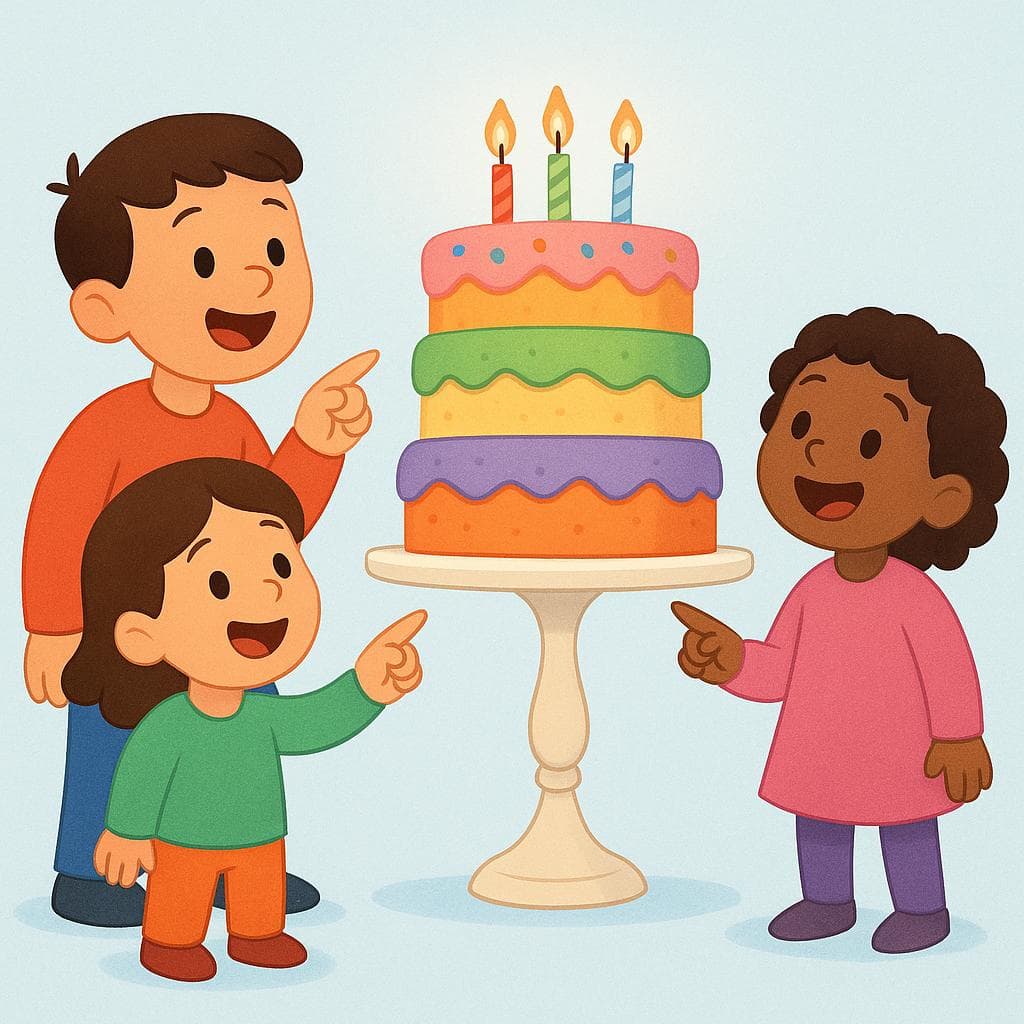

you wantAlso: you would like

📝 In Action
¿Qué queréis hacer esta tarde, chicos?
A1What do you guys want to do this afternoon?
Si queréis más pan, pedidlo.
A2If you want more bread, ask for it.
Queréis ir al cine, ¿verdad?
A2You want to go to the movies, right?
you loveAlso: you care for

📝 In Action
¿De verdad queréis a vuestra prima?
B1Do you really love your cousin?
Sé que queréis mucho a vuestros padres.
B1I know that you love your parents very much.
Word Connections
Indicative
Present
Imperfect
Preterite
Subjunctive
Present Subjunctive
Imperfect Subjunctive
✏️ Quick Practice
Quick Quiz: queréis
Question 1 of 2
Which sentence correctly uses 'queréis' in a context where it is appropriate?
📚 More Resources
👥 Word Family
🎵 Rhymes
📚 Etymology
The verb 'querer' comes from the Latin verb *quaerere*, which originally meant 'to seek, to look for, or to ask.' Over time, the meaning evolved in Spanish to signify 'to desire' (what you are looking for) and eventually 'to love' (what you deeply seek).
First recorded: Old Spanish (around the 10th-12th century)
Cognates (Related words)
💡 Master Spanish
Take your Spanish to the next level. Read 200+ illustrated and narrated Spanish stories tailored to your level with the Inklingo app!
Frequently Asked Questions
Why is 'queréis' spelled differently than 'quiero' or 'quieren'?
'Querer' is an irregular verb. In Spanish, many verbs change the vowel in the middle (the stem) when conjugated. For 'querer,' the 'e' changes to 'ie' in most single-person forms (yo, tú, él/ella) and the 'ustedes' form. However, the 'nosotros' (we) and 'vosotros' (you all) forms, like 'queréis,' keep the original 'e'.
Is 'queréis' used to express romantic love?
Yes, but it is a softer way of expressing affection than 'amar.' You might use 'queréis' when talking about close friends or family, or for a new romantic relationship. For a deep, lifelong love, 'amáis' (or 'aman' in Latin America) might be preferred.