querrá
“querrá” means “will want” in Spanish. It has 2 different meanings depending on context:
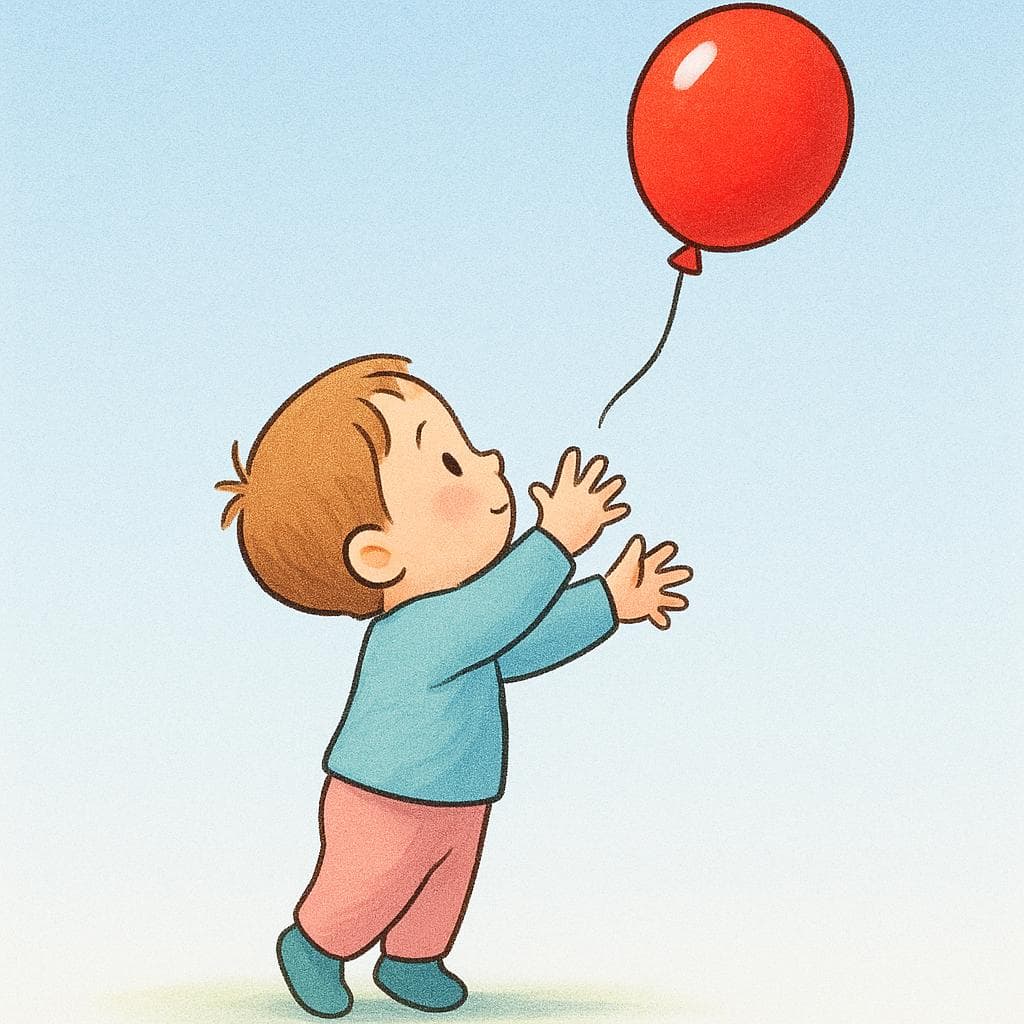

will want
Also: will wish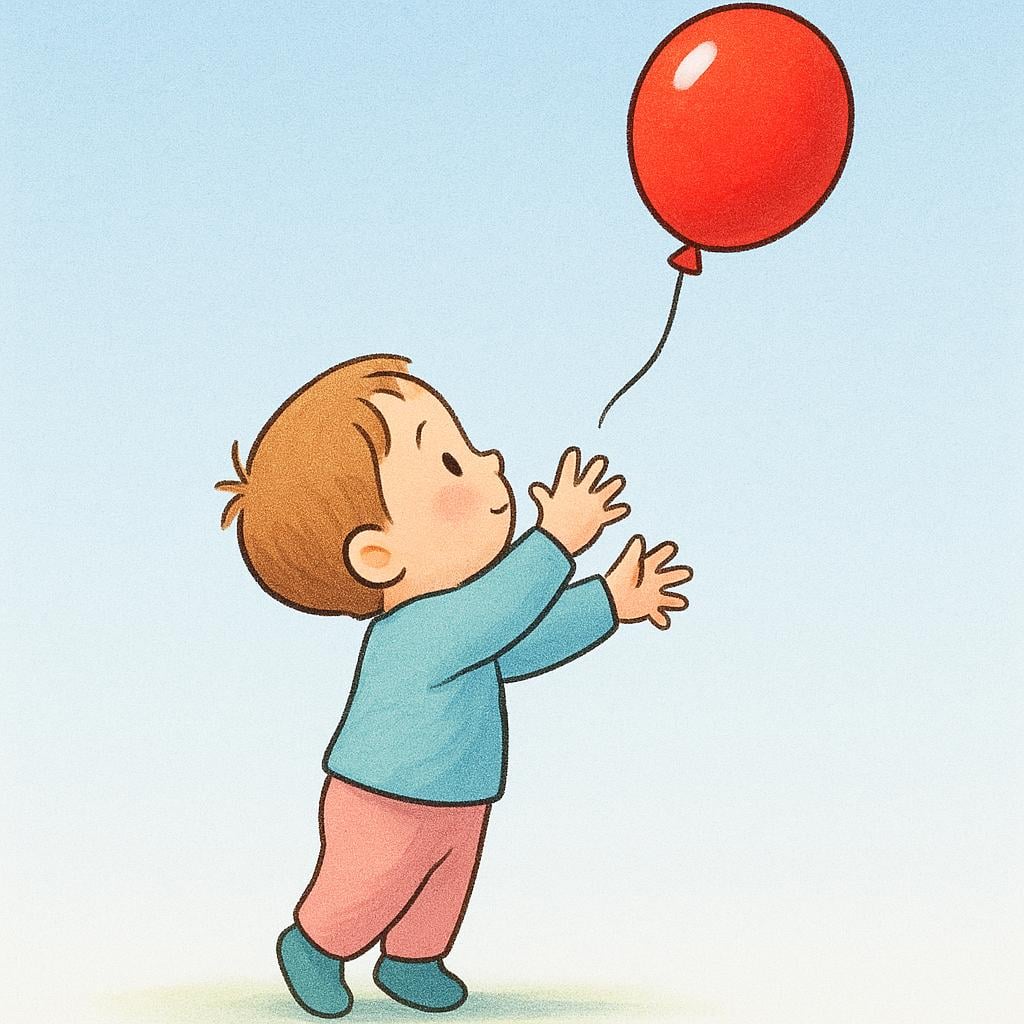
📝 In Action
Ella querrá un coche nuevo el próximo año.
B1She will want a new car next year.
¿Usted querrá la cuenta ahora o más tarde?
B1Will you want the bill now or later?
Mi jefe querrá ver el informe mañana por la mañana.
B2My boss will want to see the report tomorrow morning.
will love
Also: will care for
📝 In Action
El niño querrá a su nueva mascota inmediatamente.
B1The child will love his new pet immediately.
Pase lo que pase, ella siempre querrá a su hermano.
B2No matter what happens, she will always love her brother.
🔄 Conjugations
indicative
present
imperfect
preterite
subjunctive
present
imperfect
Translate to Spanish
✏️ Quick Practice
Quick Quiz: querrá
Question 1 of 2
Which sentence correctly uses 'querrá' to talk about a future desire?
📚 More Resources
👥 Word Family▼
🎵 Rhymes▼
📚 Etymology▼
Comes from the Latin verb *quaerere*, meaning 'to seek, to ask for, or to look for.' Over time, its meaning shifted in Spanish to express the idea of desiring or wishing for something.
First recorded: Old Spanish (around 10th-12th century)
Cognates (Related words)
💡 Master Spanish
Take your Spanish to the next level. Read 200+ illustrated and narrated Spanish stories tailored to your level with the Inklingo app!
Frequently Asked Questions
Why does 'querrá' have two 'r's?
The double 'r' is part of the irregular future stem 'querr-'. The original infinitive 'querer' merges with the future ending, and the 'e' is dropped to create the smoother, contracted sound necessary for the future tense.
How is 'querrá' different from 'querría'?
'Querrá' means 'he/she/you will want' (a definite future prediction). 'Querría' means 'he/she/you would want' (a conditional wish or a polite request in the present).