quieta
“quieta” means “still” in Spanish. It has 2 different meanings depending on context:

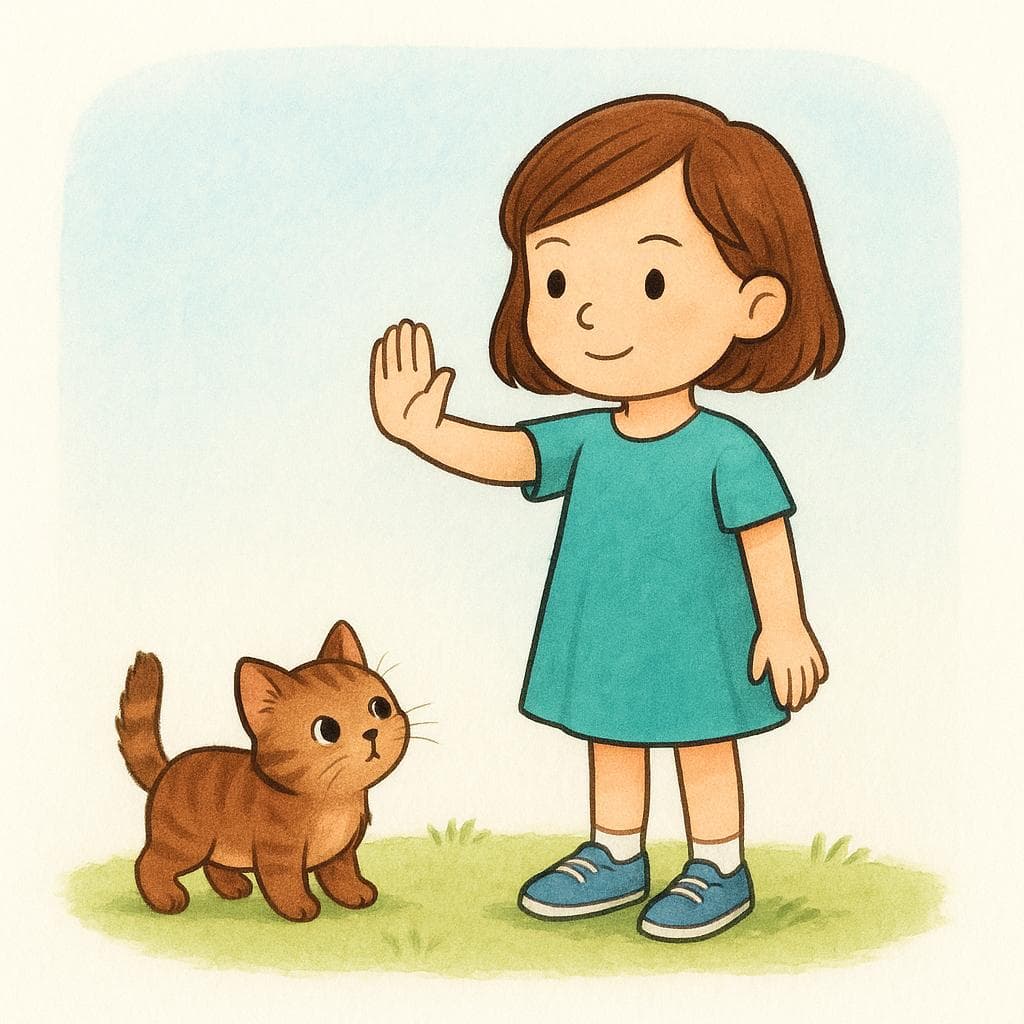
still, calmAlso: motionless

📝 In Action
La niña está quieta, por fin.
A1The girl is still, finally.
Ella se mantuvo quieta durante toda la ceremonia.
A2She remained quiet (or still) throughout the entire ceremony.
La superficie del agua estaba completamente quieta.
B1The surface of the water was completely still.
Word Connections
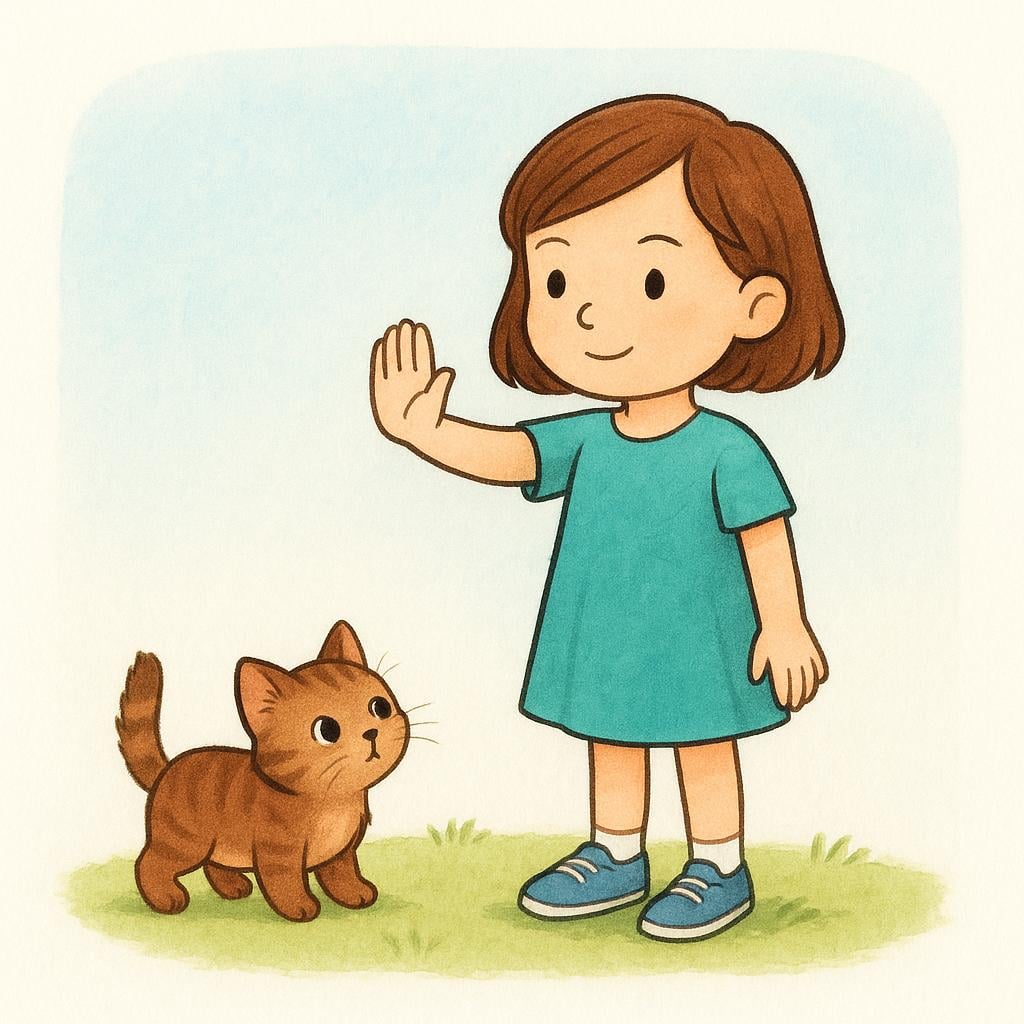
Stop!, Hold still!Also: Calm down!
📝 In Action
¡Quieta, Luna! No te muevas.
A2Hold still, Luna! Don't move.
¡Quieta ahí! Necesito verte la cara.
B1Stay right there! I need to see your face.
Word Connections
Translate to Spanish
Words that translate to "quieta" in Spanish:
✏️ Quick Practice
Quick Quiz: quieta
Question 1 of 2
Which sentence correctly uses 'quieta' to describe a lack of movement?
📚 More Resources
👥 Word Family
🎵 Rhymes
📚 Etymology
The word comes from the Latin word *quietus*, meaning 'at rest' or 'calm.' It shares its root with English words like 'quiet' and 'quiescent.'
First recorded: 13th century
Cognates (Related words)
💡 Master Spanish
Take your Spanish to the next level. Read 200+ illustrated and narrated Spanish stories tailored to your level with the Inklingo app!
Frequently Asked Questions
What is the difference between 'quieta' and 'callada'?
'Quieta' means 'still' or 'motionless' (referring to movement or restlessness). 'Callada' means 'silent' or 'quiet' (referring to sound). A person can be 'quieta' but still whispering, or 'callada' but tapping their foot.
How do I use the masculine form of this word?
The masculine form is 'quieto.' You would use it to describe a male person or thing: 'El niño está quieto' (The boy is still).